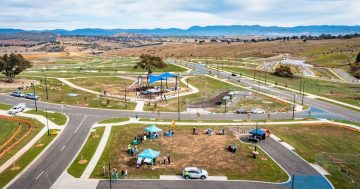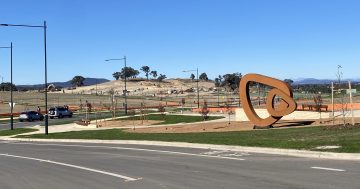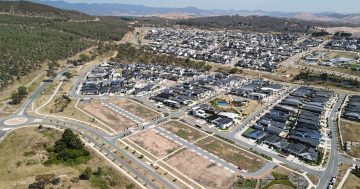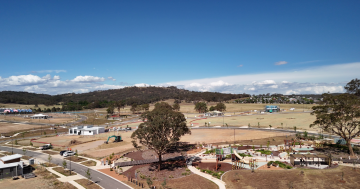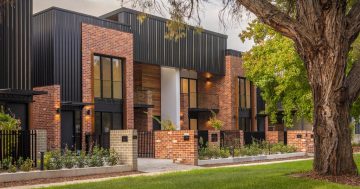

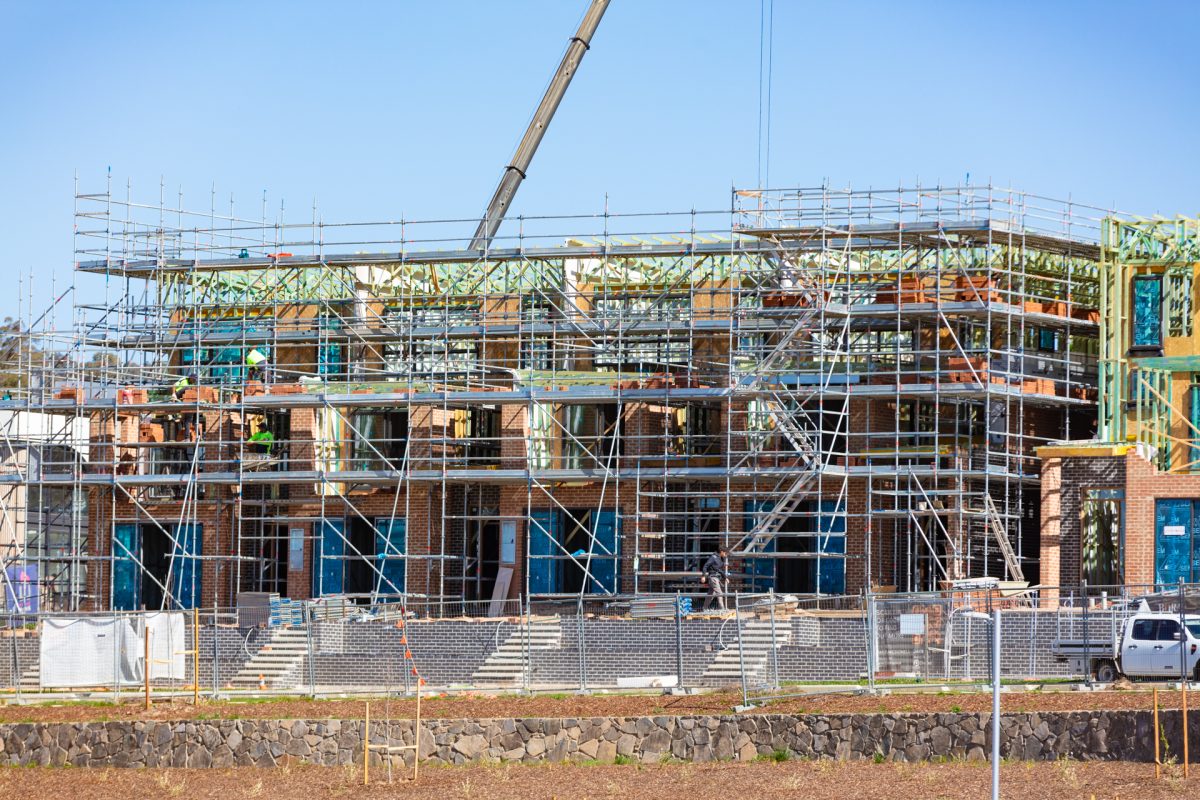
Housing needs to get going in 2026 but it isn’t so simple. Photo: Michelle Kroll.
2026 could be a make or break year for the ACT Government’s housing goals and not just its target of 30,000 new homes by 2030.
The stage is set for what many hope will be a surge in home approval and starts, particularly in the desired missing middle category in established suburbs.
A combination of planning reforms and legislation such as the recent Territory Priority Project bill effectively banning third party appeals against social housing have laid a platform for a surge in building activity in 2026.
That’s the plan. But there are signs that there will be headwinds.
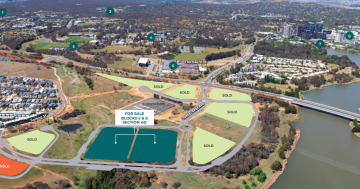
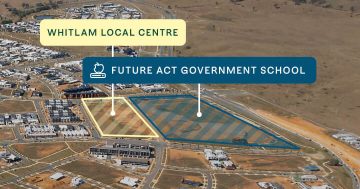
For years, the Suburban Land Agency (SLA) has not been able to meet its land release targets and the failure of two significant land parcels to sell in the second half of 2025 points to resistance from developers to take on risk.
The Watson on Aspinall and the Whitlam Local Centre blocks were both passed in at auction. The SLA is considering next steps for the Watson land while the Whitlam parcel is now an over the counter purchase at $11 million.
The word is asking prices were too high and there were too many conditions attached.
The SLA has been accused of being greedy and not understanding developers’ need for viability, or simply put, to be able to make a buck. High land prices also make for less affordable homes.
But this is public land and the SLA also has to safeguard the public’s interest and that includes getting the best return for taxpayers and ensuring projects meet community expectations.
Hanging over developers’ heads is the incoming licensing regime late next year, adding more risk to the mix.
For smaller developers, the ones that are likely to deliver the missing middle, that risk is magnified.
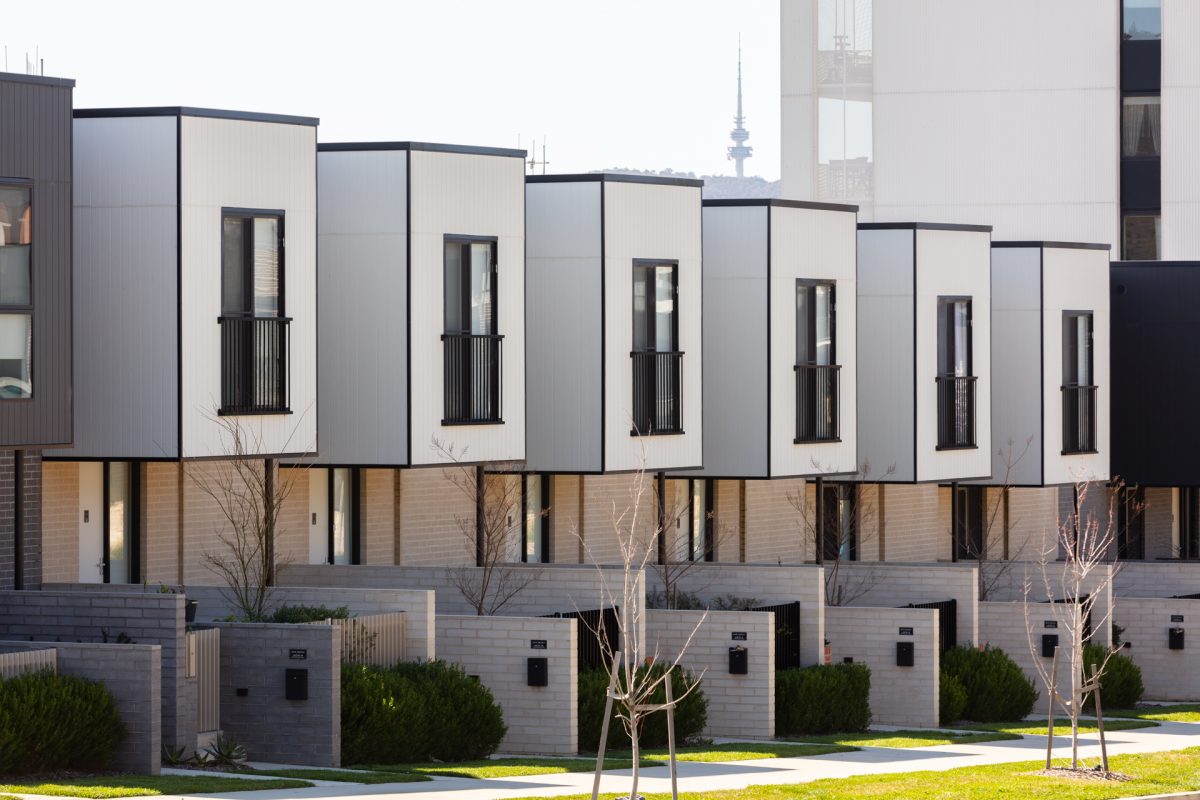
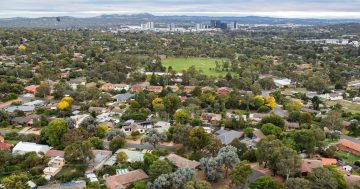
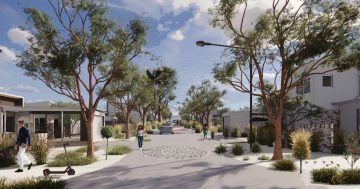
The missing middle reforms need to deliver homes without destroying neighbourhoods. Photo: Michelle Kroll.
The government might have the planning settings right but it is still a case for developers of getting the financial ducks in a row.
Help is being proffered through flagged lease variation charge concessions or leeway in the timing of payments to ease cash flow.
But it remains to be seen what kind of take-up there will be in 2026 and how far government will go in assisting developers.
There will also be tension between what developers will be capable of delivering and government and market expectations.
The ACT has a surfeit of high-rise apartments, particularly smaller ones, but not enough low rise, affordable family-sized townhouses terraces and apartments, the missing middle craved by government and home buyers priced out of the house and land market.
ACT Real Estate Institute CEO Maria Edwards told an Assembly committee hearing this month that a lot of new housing being approved was not giving home buyers a choice with the amount of undersized apartments on the market.
Ms Edwards was speaking in the context of an inquiry into Woden Town Centre but her comments could be applied generally.
Anecdotal evidence was that one-bedroom apartments that were for sale off-plan or under development were much smaller than they were almost 10 years ago, with a footprint of about 42 sqm and a small balcony added “solely to meet the 45 sqm threshold” required for a project to receive finance.
“Some new residential apartments being marketed … [are] smaller than hotel-style products designed for temporary stays,” she said.
“One of the agent representatives told me that they couldn’t fit a queen-size bed in some of these new apartments.”
They may not be as bad as the Blues Brothers’ “cosy” Chicago flat, but it’s hard to describe them as real homes.
Other tests for housing include the practical realities of new suburbs bumping up against bushland and the impacts on native fauna and flora.
In Jacka, a stage is on hold after a dead koala was found, suggesting that there could be more in the area.
In Molonglo, areas previously slated for development are being declared nature parks after pressure from community and conservation groups.
There are calls for development to cease completely along the Western Edge.
These pressures add to the imperatives for infill and town centre housing but they come with their own concerns about loss of green space and amenity, changing neighbourhoods for the worse.
There is a lot at stake in 2026, not just about more housing but the type and where and how it is built, as well retaining the bush capital character.