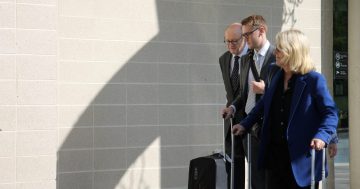

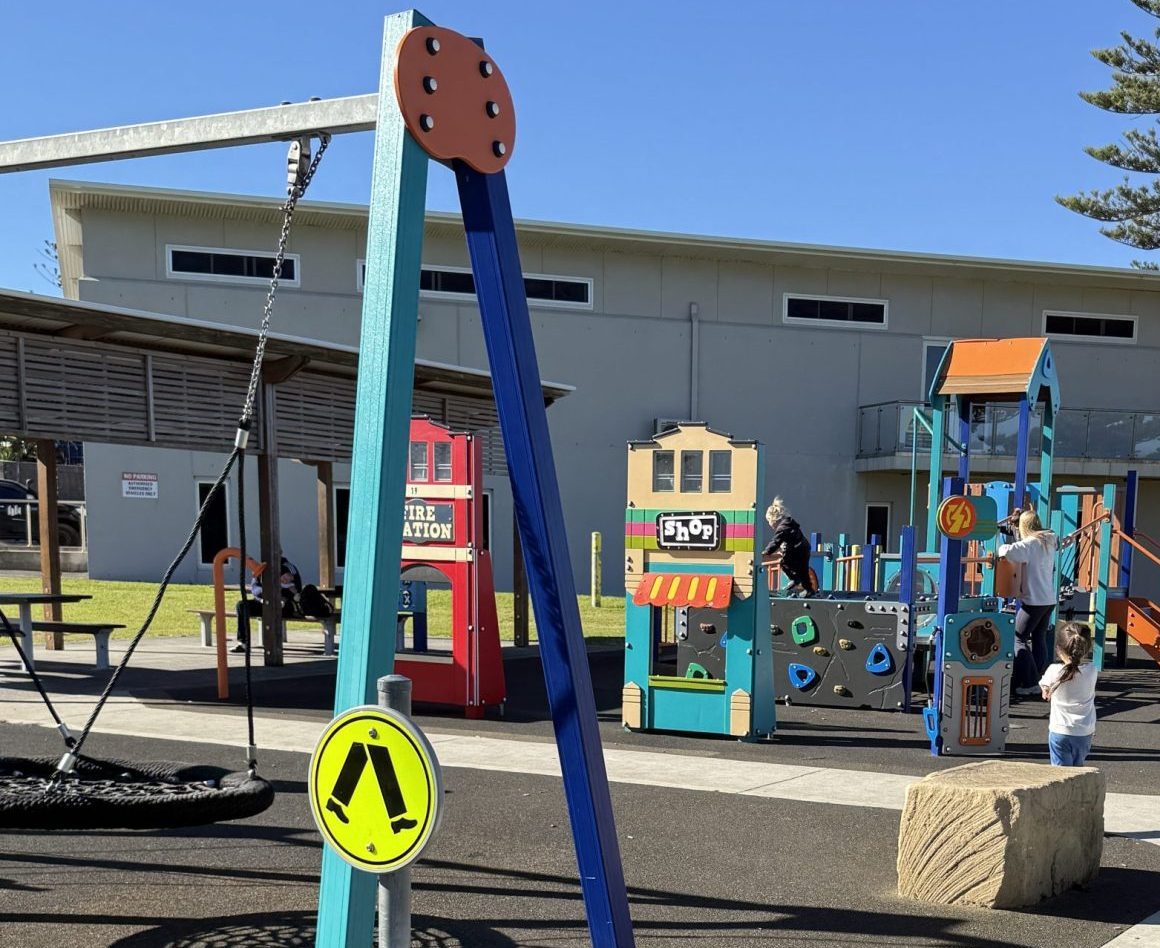
If we want our communities to be safe, we have to start by listening to women and children – even when it’s inconvenient. Photo: Healthy Cities Australia.
I’m passionate about a very niche sport which is mind-numbingly boring to anyone who doesn’t do it.
This week the sport has been rocked by allegations of sexual assault against a famous competitor, who is also a gym owner and coach.
He’s been revered by many people in the community for a long time as an exemplary man in the world of professional sports, where so many men fall far short.
Plenty of people are feeling shocked and betrayed; plenty of athletes and gym owners have spoken out in support of his alleged victims and against sexual abuse.
This is a huge step forward for our community as a whole – not just in this sport but in Australia.
It wasn’t so long ago that allegations of this nature against a successful athlete were met with howls of “what about his career?”; as if the careers of their victims weren’t also irrevocably damaged by trauma and the reputational impact of speaking out.
There’s also been more widespread shock and upset over the latest putrid revelations from the Epstein files, as more and more global leaders and high-profile personalities are implicated in a world-wide web of paedophilia and sexual abuse.
We’ve still got a long way to go, however.
The second the conversation steers a little bit closer to home the unbreakable shield of denial comes down.
“That wouldn’t happen at my club/school/church,” people say with complete confidence.
Over almost a decade of court coverage I’ve sat through countless stomach-churning cases of abuse against women and children.
Abuse committed by family men, pillars of the community, teachers, coaches, volunteers, wonderful neighbours.
The public will never know about most of those stories, because reporting them would mean identifying a child victim, which is illegal in Australia.
Wherever you live, let me assure you that every single day your local court hears multiple cases about horrific abuse against women and children. It’s routine.
We know predators hide in plain sight. We know they groom their communities as well as their victims.
If you’re 100 per cent confident no-one you know would hurt a woman or child, you’ve already done half the job of grooming yourself.
Red flags are red flags even when they come from people you know, like, or trust.
If women or children are consistently uncomfortable around someone you know, that’s a red flag.
If someone you know regularly puts themselves in situations where they are alone with children, that’s a red flag.
If someone you know volunteers a lot of time and money in a way that protects them from accountability, that’s a red flag.
Those flags don’t turn green because you benefit from them.
If you’d rather continue to reap those benefits than listen to the women and children in your life, you’re part of the problem, no matter how many social media posts you make about high-profile cases.
Making our communities safe starts in our own backyards – and sometimes that’s the hardest place to look.