The Australian Taxation Office admitted it bungled its plan to refuse credit card payments. Photo: Pixabay.
Senate Estimates extracted several bureaucratic apologies, explanations and concessions this week, none more glaringly obvious than the Australian Taxation Office admitting it got it wrong in how it dealt with the business sector over its decision to refuse credit card payments.
The ATO didn’t consult the business community at all before ruling that, in response to the Federal Government’s ban on card payment surcharges, it would ban credit card payments.
It wrongly assumed that business owners paying their tax bills by credit card were in some sort of financial distress, and it didn’t acknowledge that many small businesses use credit cards as a cash-flow management tool to take advantage of interest-free periods.
The ATO’s credit card ban was set to take effect from December, but business backlash forced the government to delay the move.
Under Estimates questioning this week, ATO Commissioner Rob Heferen admitted the ATO “jumped to conclusions” about how it might affect small businesses.
If it had the time over, he said, the ATO would have had a “more open conversation” with the business sector from the outset. The outcome would have seen a different approach, “to essentially share the problem we faced, rather than coming with a, ‘This is what we’re going to do and here’s a transition period'”.
“Hindsight’s a wonderful thing. With the benefit of hindsight – one always hopes to live a bit longer and get a bit wiser,” he said.
“At an early stage, if we’d had a much more open conversation with relevant stakeholders … to then say ‘well, what are the other options’.
“When we had the discussion about managing cash flow, I jumped to the conclusion of people who are in financial difficulty using the credit card.”
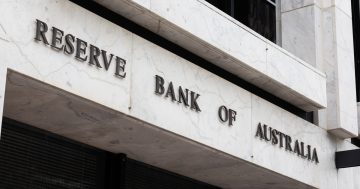
As soon as the Reserve Bank of Australia’s recommended card payment surcharge ban took effect on 1 October, the ATO announced it would not absorb the costs and would instead refuse credit card payments.
Small businesses are forced to absorb bank fees associated with card payments or increase their prices.
While the ATO intended to stop card payments from 1 December, the business outcry led Treasurer Jim Chalmers to force the tax office to delay the move until July next year.
Prime Minister Anthony Albanese claims he also played a leading, crucial role in getting the ATO to postpone its credit card ban.
Dr Chalmers previously said he wasn’t aware of the ATO’s decision to refuse credit card payments until late September.
Small Business Minister Anne Aly said she was unaware of the move until the ATO announced it.
But Assistant Treasurer Daniel Mulino let the cat out of the bag on the ABC’s Insiders program at the height of the tension over the plan, admitting the government had known since July that the ATO was considering banning credit card payments.
“After the RBA announced those reforms in March, I engaged with government agencies not long after that to ensure that they were aware the expectation was, of course, that they would comply with that removal of surcharges,” Mr Mulino said at the time.
“In July, the government became aware that the ATO was looking at options and that at that point their preference was to not accept credit cards.”

Following the ATO Commissioner’s estimates concession this week, Mr Mulino defended him, saying the Tax Office was dealing with a “complex environment” when it failed to consult with the business sector.
“They were negotiating with credit card companies, trying to get a better deal so that they could figure out what options were possible,” he said.
“It was a complex environment … and as the commissioner has said, in hindsight … they could have beneficially engaged with small businesses more.”
Liberal frontbencher Andrew Hastie said the ATO might have erred, but the responsibility lies with Labor and the Federal Government.
“I think that’s an admission that the government didn’t do its due diligence and that small business once again is paying,” he said.
“Small business is really doing it tough.
“So the ATO should have done a better job, but ultimately the ATO is responsible to the government of the day, and that’s the Albanese Government.”