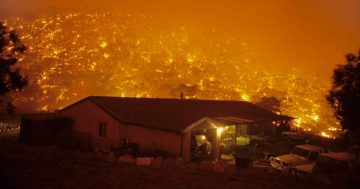
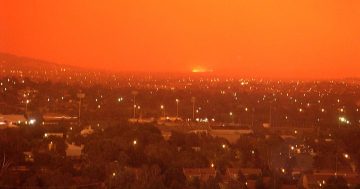
ACT emergency services are preparing for a hotter, drier summer as the 2026-27 bushfire season begins. Photo: ESA.
Hazard reduction burns, slashing, grazing and the physical removal of dead timber and leaf litter are underway across the ACT as Canberra enters a bushfire season expected to bring hotter and drier summer conditions.
The 2026-27 bushfire season officially began on 1 October after a dry winter, although authorities say good soil, high fuel moisture and forecast spring rain mean an average fire season is still expected.
Summer is forecast to be drier, with hotter days and warmer nights, increasing the risk as vegetation dries out.
ACT Rural Fire Service officials expect Total Fire Bans will be needed, particularly after Christmas when hot westerly winds can quickly worsen conditions.
“When the summer really hits we start drying out a lot more, and we get those hot westerly winds,” an RFS spokesperson said.
From 1 October, permits are required for burn-offs and hazard reduction burns in rural parts of the ACT and parkland within suburban areas. But fire authorities say prescribed burning is only one part of Canberra’s preparation.
Parks and Conservation crews have been physically removing leaf litter and dead timber from the ground. Grass is being slashed along roads and other areas, while chemical treatments are being used to control weeds and other growth.
Grazing is also being used on ACT-managed land. Rural leaseholders surrounding Canberra’s suburbs form another part of the strategy, with livestock helping keep grass and other potential fuel down.
Hazard reduction burns will continue when weather conditions allow. Authorities say they have carried out burns as late as February in previous seasons, but will only proceed when conditions are suitable.
The preparations follow a season in which the ACT experienced some of its earliest bushfires in recent years and several Total Fire Ban days.
Authorities say the Territory’s current moisture levels provide some protection at the start of this season, but conditions can change considerably as summer progresses.
“We do live in the bush capital,” the RFS official said. “It is prone to fires, but if we work together we can prevent any ignition and keep ourselves safe.”
Emergency services are also putting more emphasis this year on what happens before residents receive a warning or see a fire truck.
Households are being urged to decide now whether they would leave early or stay and defend during a bushfire, rather than trying to decide once a fire is approaching.
Residents can reduce risks around their own properties by clearing gutters and backyards, while people are being encouraged to check whether elderly or vulnerable neighbours would need help during an emergency.
The advice is being rolled into the Emergency Services Agency’s new ‘Chat. Plan. Act.’ campaign, which asks people to discuss their risks, make an emergency plan and know what they will do if a bushfire or major storm occurs.
ESA Commissioner Wayne Phillips said emergency services could prepare crews and equipment, but households also needed to be ready.
“Our emergency services play an essential role in preparing for emergencies, but resilience starts well before a fire truck, ambulance or emergency warning arrives,” he said.
“Preparedness is a shared responsibility.”
Daily Fire Danger Ratings will now be issued throughout the season, with Total Fire Bans declared when conditions warrant.
Authorities say the immediate outlook is manageable, but the real test is likely to come as Canberra moves out of spring and the landscape begins to dry.
That leaves the next few months as the window to reduce fuel, prepare properties and decide what to do before the worst fire weather arrives.