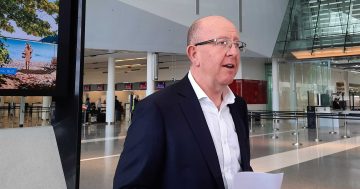

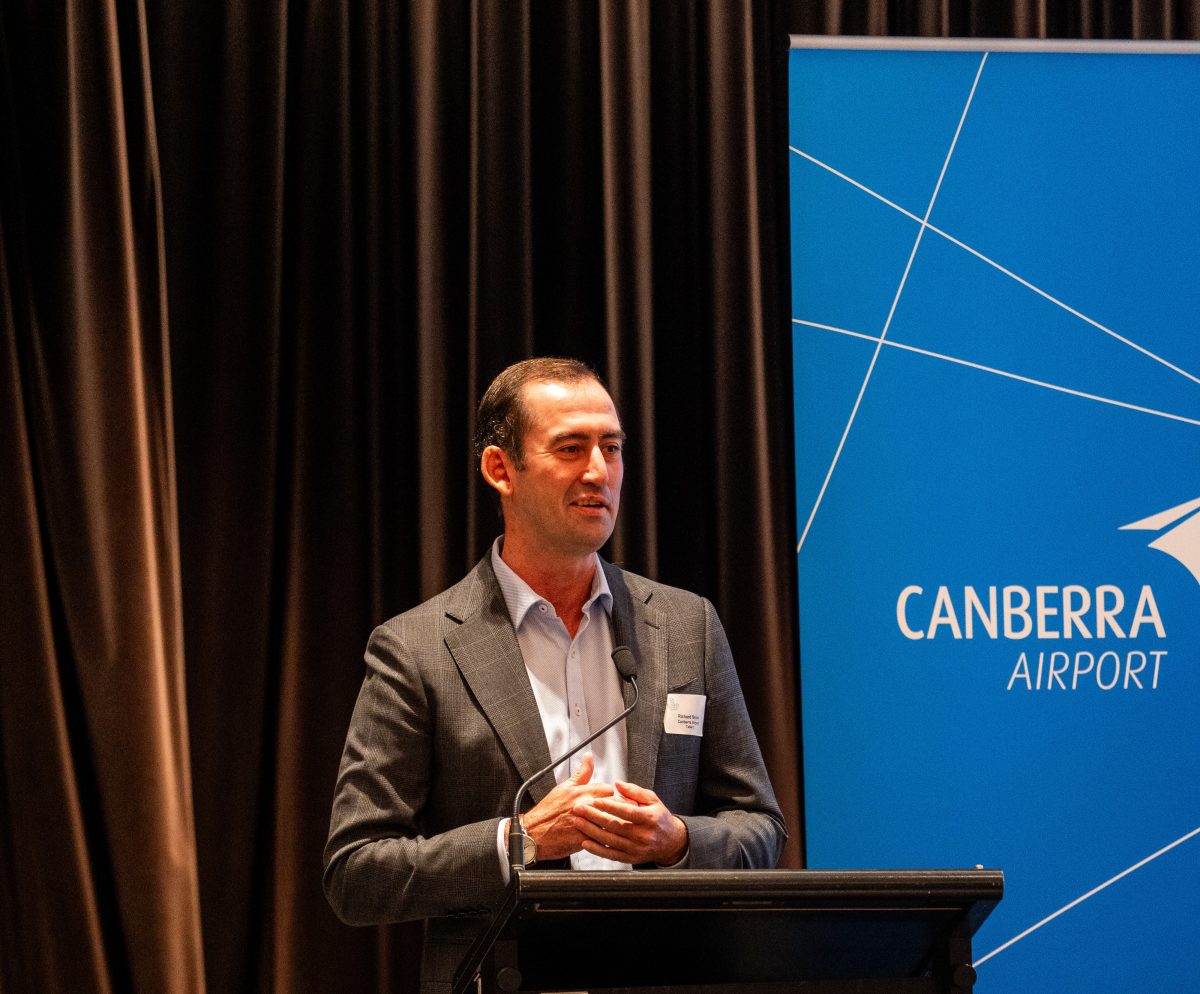
Richard Snow says removing barriers, such as the lease variation charge, would drive adaptive reuse. Photo: Property Council.
Canberra’s CBD should be declared a special economic zone with a range of incentives for developers to repurpose older office buildings for new uses, including residential, according to the Canberra Airport group’s Richard Snow.
Mr Snow was speaking as a panellist at the launch of the latest Office Market Report from the ACT Property Council.
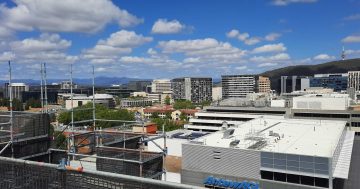
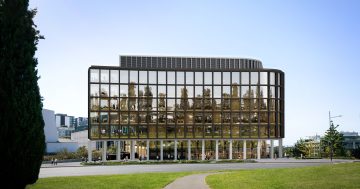
The report said Canberra’s overall office vacancy had edged down over the past six months, but Civic faced a growing number of disused buildings and a vacancy rate of 25 per cent by 2029.
Mr Snow said the ACT Government was flat-footed in planning for this “looming crisis” in the CBD that could emerge over the next five to 10 years.
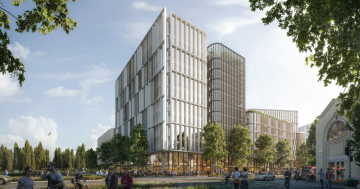
The Airport’s Capital Property Group was investing $5 billion in the CBD through a mix of office and residential projects, but while new development was vital for any city, this meant a lot of old office stock would be left behind, Mr Snow said.
“That could be a really good opportunity for the city, but you need to get the policy settings right, and one thing the industry responds well to is incentives, and I don’t think the government has been very good at all about thinking about that,” he said.
Mr Snow said that not only were there no incentives, but there were huge disincentives, such as the lease variation charge.
He urged the government to be bold, remove restrictions and really incentivise the industry, including by establishing a special economic zone.
“You really will find that it’ll respond to that, but you actually have to have the policies out there,” Mr Snow said.
He said the LVC was not raising any money at all in the CBD, so what did the government have to lose?
What it was losing in the city was greater economic activity, more rates revenue, and more residents.
“If you focus on adaptive reuse and regeneration – what you can turn some of these assets into – you’ll find the industry will respond to that, and there’s plenty of examples of that all around the world,” Mr Snow said.
This included new homes, whether as student accommodation, build-to-rent, or for owner-occupiers.
Managing Director at Australian Strategic Property Advisers Stephen Oxford said an overall strategy for regenerating old office stock in the city was crucial.
Mr Oxford said this meant getting the tax, business and planning settings right, including revisiting building heights in the city.
He said the ANU in the west and the expanding UNSW Canberra in the east offered opportunities for developing student accommodation in the city’s vacant buildings.
“It’s a big task. The city will not regenerate by some demand from business coming from nowhere to absorb all this empty office space,” he said.
“That won’t happen, so we have to think about how we use those spaces for different usage.”
The Office Market Report shows Canberra vacancy fell from 10.7 per cent to 10.2 per cent over the six months to January.
While vacancy had improved from 14.1 per cent to 12.0 per cent in the CBD, this was still too high for Canberra’s height, Property Council ACT & Capital Region executive director Ashlee Berry said.
“Barton is effectively full at 1.8 per cent vacancy, while the Airport held steady at 10.3 per cent with flat absorption,” she said.
“That split tells you demand is concentrating where amenity and quality stack up, and older stock in the CBD will keep struggling unless we change the settings.”
Ms Berry said the ACT Government could help by backing practical measures that lifted footfall and confidence.
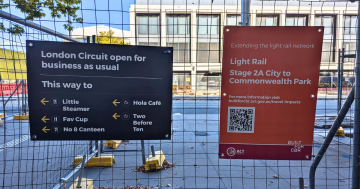
“Leasing settings that support a sensible return-to-office approach, faster pathways for refurbishments and adaptive reuse, and targeted support for businesses during disruption,” she said.