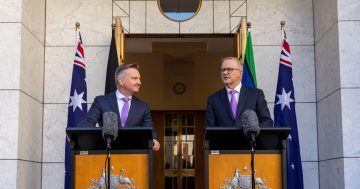

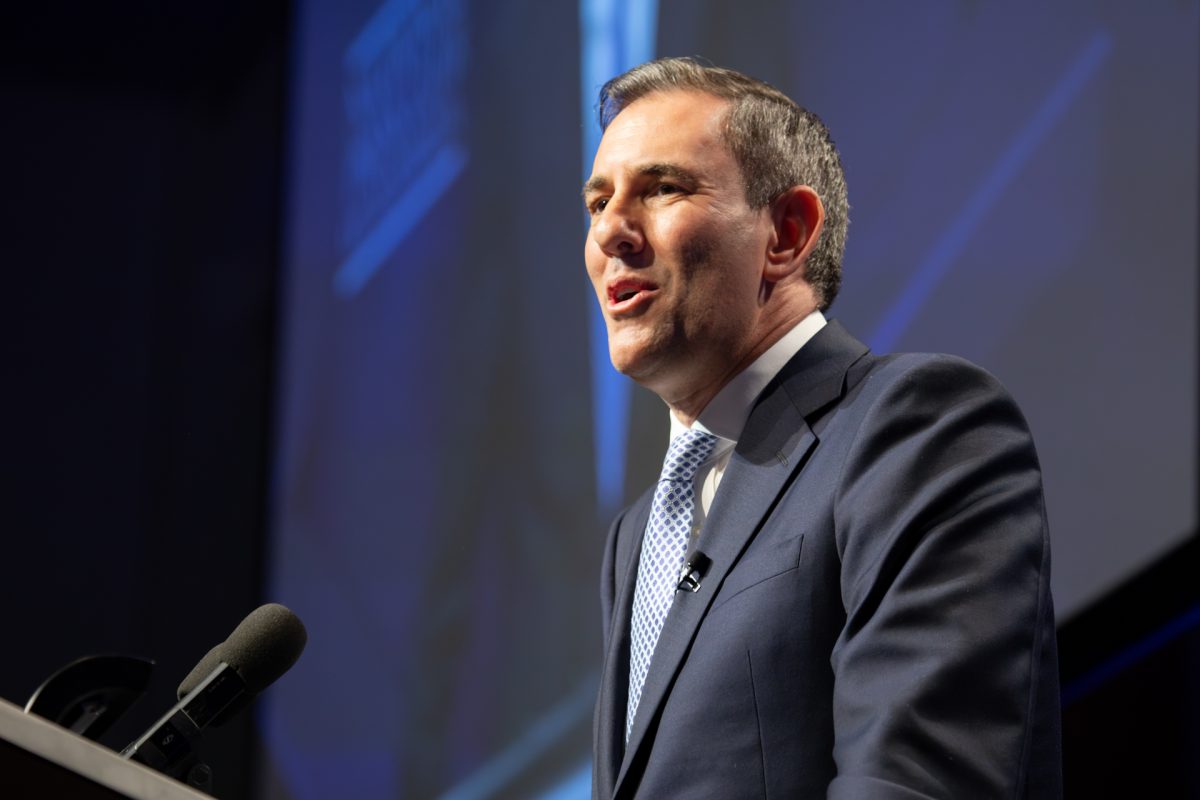
Treasurer Jim Chalmers says Commonwealth energy rebates can’t go on forever. Photo: Michelle Kroll.
Australians shouldn’t bank on their energy rebates being extended into next year, now that Treasurer Jim Chalmers has warned they can’t “go on forever”.
In the 2025–26 Budget, the Federal Government announced a $1.8 billion, six-month extension of the Energy Bill Relief Fund.
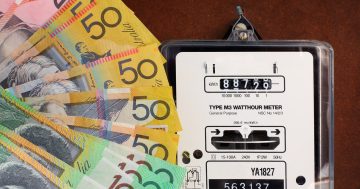
From 1 July this year, households and eligible small businesses have been receiving up to $150 in energy bill rebates, being automatically applied to electricity bills in two $75 quarterly instalments.
That extension is due to expire at the end of this year.
When asked whether they would be extended, Dr Chalmers was non-committal but suggested the end could be nigh. He said they were part of the deliberations for the imminent mid-year budget update.
“I will make those decisions in the final few days before we lock down the mid‑year budget update,” the Treasurer said during an RN Breakfast interview.
“I’ve made it very clear before … when I’ve been asked, that people shouldn’t expect that those energy rebates will be a permanent feature of the budget.
“They are an important way that we’re helping people with the cost of living, but not the only way that we’re doing that.
“We’ve got tax cuts, cheaper medicines, student debt relief, more bulk billing, Fee‑Free TAFE, rent assistance.
“There are a whole range of ways that we’re helping people with the cost of living.
“We haven’t finalised the mid‑year budget update, but people shouldn’t expect those rebates to go on forever.”
Dr Chalmers said earlier that the government typically leaves those decisions until the end of the mid-year budget update process.
“We have to be as responsible as we can with the budget,” he said.
“That is how we delivered a couple of surpluses and found $100 billion in savings.”
The Coalition agrees the energy rebates can’t go on endlessly, adding that they are disguising how bad the government’s management of the energy system really is.
Shadow finance minister James Paterson wouldn’t say, when asked, if the Opposition would support a further extension to the rebates.
He said that, while it is a decision for the government and its cabinet expenditure review committee, Labor isn’t managing the system well.
“It’s a matter for government to decide whether they should continue for a little while,” Senator Paterson said.
“Our priority would be fixing the energy system so that these kind of subsidies weren’t necessary.
“We want to have an energy system which is competitive and affordable, and we wouldn’t want to have in perpetuity, as I think the Treasurer doesn’t want, subsidies which mask the costs of the energy system.
“So that would be our focus and our priority.
“I think in the long term, everybody agrees with a budget heading to a $42 billion deficit this financial year, it’s just not sustainable in perpetuity to pay these bills.”
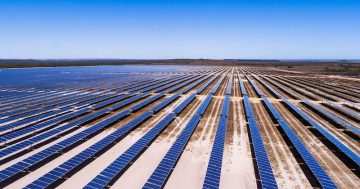
Meanwhile, a new report from the Australian Energy Market Commission projects that electricity prices will fall by 5 per cent over the next five years, thanks to renewable energy.
Released on Thursday (4 December), the Residential Electricity Price Trends 2025 report predicts that a faster rate of electrification and more renewables would reduce household energy costs.
But it also warns that residential electricity prices could rise by 13 per cent between 2030 and 2035 unless new renewables, battery and transmission projects are prioritised.
AEMC chair Anna Collyer said increasing momentum in renewable deployment and batteries from now through to the 2030s would be crucial to keeping prices affordable.
“Our price outlook highlights a critical five-year window,” she said.
“Residential electricity prices are projected to fall through 2030 as renewable generation and batteries ramp up, but then rise through 2035 if the pace of new investment doesn’t keep ahead of growing electricity demand and planned coal retirement.
“Our analysis clearly shows renewable energy and batteries drive prices down. We see this in the first five years.
“The risk of prices rising after 2030 only emerges if we slow down renewable deployment just as coal plants retire.
Ms Collyer described the concern as a timing challenge, saying it is not a technology cost issue.
With the right pace of investment, she said, Australia could manage the energy transition while keeping prices stable.
The AEMC is an independent statutory body that makes and amends rules for the National Electricity Market, elements of the natural gas market, and related retail markets.
It provides strategic and operational advice on energy issues to the Energy and Climate Change Ministerial Council.