Hospitality is doing it tough in Civic, but there’s more than one culprit. Photo: Claire Sams.
Is Civic so dangerous after dark that it should be avoided?
The claims emerged in hearings last week into the night-time economy as part of calls for more government action to support the city’s struggling hospitality businesses.
They may have grabbed headlines, but not only were they overegging the argument, but they were also counterproductive.
If you want people to come into the city centre, you don’t paint it as a violent place where you could end your night in Emergency.
On a scale of cities that should be worried about violence and crime in its CBD, Canberra would hardly rate.
Sure, incidents happen, especially when alcohol, sold by the very businesses worried about declining custom, is so much a part of the entertainment mix.
The overblown threat posed by areas where the ragged people go is the continuation of the longstanding trope about the need to clean up the streets so the good folk can feel safe.
Revelations that a covert operation was undertaken to see what these undesirables were up to should leave every Canberran feeling unsettled.
The reported six incidents a night perpetrated by them carry no weight without detail and context.
The way some people are talking, one would think the police have vacated the area, when that is clearly not the case.
In fact, this notion of the CBD as a hotbed of crime in the safest city in the country only detracts from the real issues confronting hospitality, not just here but everywhere as the cost of living continues to rise.
Hospitality is discretionary spending and one of the first to be cut when things tighten, especially when the cost of meals and drinks reaches prohibitive levels, for example, $17 for a pint of beer. Must be some brew.
Yet Canberrans are still spending, but more strategically and not necessarily at night, something that will be exacerbated in the seasonal lull of winter.
On Mother’s Day, in perfect autumn conditions, hundreds of people picnicked by the shores of Lake Burley Griffin, including at venues for lunch, and no doubt in the city as well.
The shift to hybrid working has left the CBD population of office workers depleted on certain days, including Friday, for which fare-free public transport and then a cap on paid trips were a government response.
But don’t expect a mass return to the office five days a week. The hybrid model is now entrenched, popular and unlikely to be reversed.
The government can do a lot to support the night-time economy, but it can’t guarantee success for any business or legislate for customers.
What it can do is prevent the kind of bureaucratic logjam that afflicted a venue wanting to set up a couple of umbrellas, as one hearing heard.
It’s the kind of silliness that has free-market advocates calling for the wholesale junking of regulation, which, if it happened, would result in an avalanche of complaints.
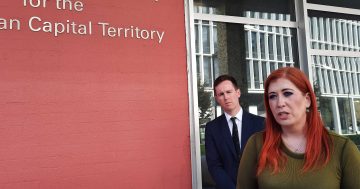
Night-Time Economy Minister Tara Cheyne has offered hope to those calling for a central night-time economy coordinator by reversing her earlier rejection of the position after listening to some of the hearing witnesses.
Ms Cheyne said evidence presented to the inquiry suggested there could be value in having a central contact point to help businesses navigate complex rules and overlapping agencies.
“Trying to demystify things or explain more, get them in touch with the right person – I think that seems to be where there might be some value-add,” she said.
That change of heart is commendable and should be acted on immediately.
She acknowledged last week that better wayfinding and lighting would make Civic safer and easier to navigate, but also said adding more residents to the CBD, which the government supports, would provide the passive surveillance to make visitors feel more comfortable, as long as the new residents don’t start complaining about the established live music venue nearby.
Don’t move into the city hoping for peace and quiet.
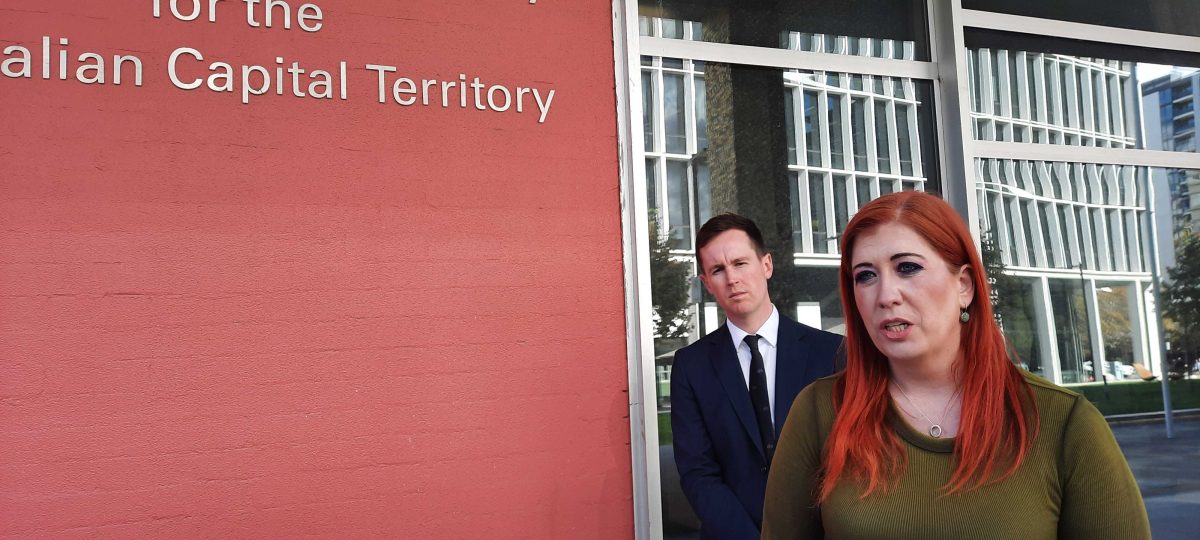
Night-Time Economy Tara Cheyne now supports a central night-time economy coordinator. Photo: Ian Bushnell.
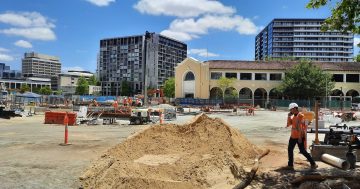
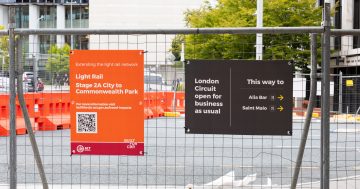
Calls continue for more government support for businesses impacted by the light rail works, including financial relief.
It would be a brave government to open that Pandora’s box and expose itself to claims any time it embarks on an infrastructure project, especially when other economic factors are in play.
The works, as well as the office development on the old law courts carpark, have reduced parking close by and affected foot traffic.
This is a peculiar Canberra phenomenon in that people expect a parking space across the road or outside a venue and find a few minutes’ walk an imposition.
Citygoers can still access London Circuit West and the Melbourne Building laneways and venues on foot if they try.
Again, this is a cultural issue and beyond government, no matter how many social media posts it issues about the number of parking spaces available or wayfinding.
Civic has its structural issues, but the projects in the pipeline and the long-term City Renewal Authority strategy aim for a refreshed, more connected CBD.
Light rail 2A, which is coming along nicely, will put Civic West and beyond in play, providing easy and safe passage to the currently distanced New Acton and then on to the Acton Waterfront.
The Snow family’s mixed-use project that will rise from the law courts carpark will create a precinct for workers and visitors that will complement the Melbourne building and business along London Circuit.
It will also provide parking for the area and the new Lyric Theatre, creating a connection across Vernon Circle to the Civic cultural precinct.
Then there is the new hotel being built in Garema Place that should raise the standard there.
Yes, Civic seems a bit of a mess right now, but these changes will be transformative.
Of course, this is cold comfort for the businesses doing it tough.
Government needs to listen and do what it can, but its limits also need to be understood.
Issues around noise, supporting live music, liquor licensing and extended public transport are all valid.
But in tough economic times and changing social habits, businesses will also need to innovate and be creative to find their point of difference and present a compelling pitch for customers.
If you want to support CBD venues, don’t be deterred by hyperbole about crime and plan a night out.