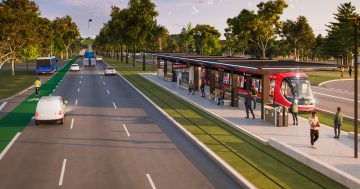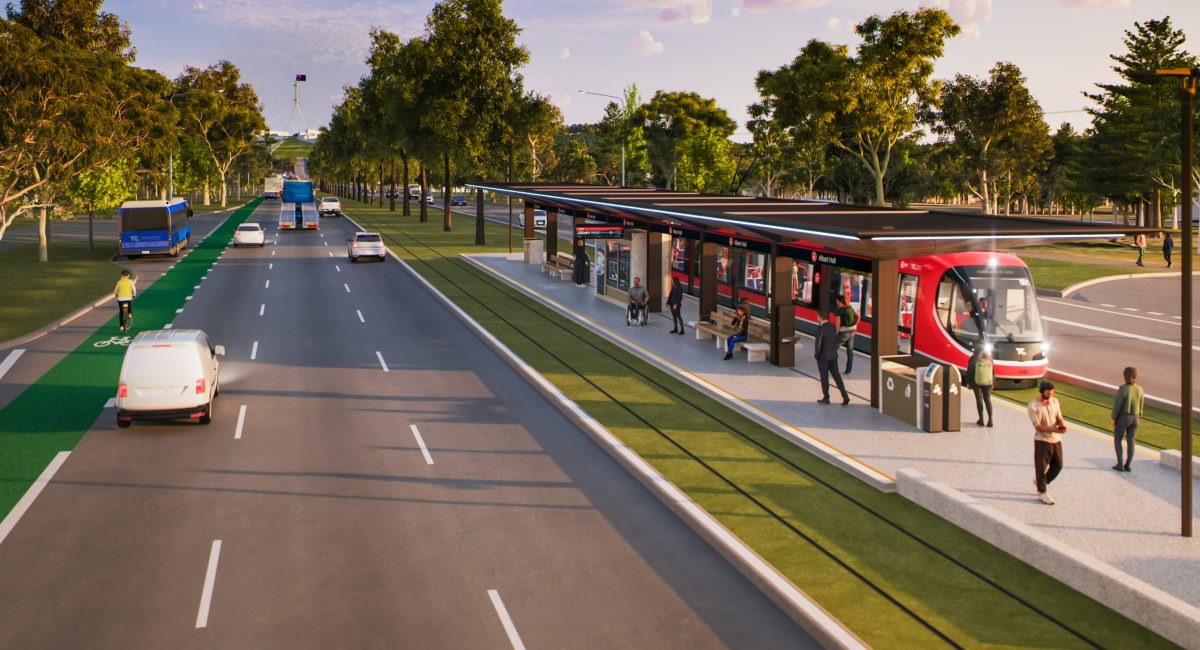
An artist’s impression of Light Rail Stage 2B Albert Hall Stop, with new trees in the median. Photo: ACT Government.
The ACT Government has been accused of attempting to pre-empt the approval processes for the Light Rail Stage 2B project by locking in the State Circle East route around Parliament House.
The Inner South Canberra Community Council (ISCCC) has written to federal ministers, ACT senators, chair of the National Capital and External Territories committee Alicia Payne and the National Capital Authority, arguing that the draft environmental impact statement (EIS) is defective.
It had not considered all proposed routes and the ACT Government had ignored the concerns raised in its own heritage report.
The ISCCC says the Commonwealth should not approve the final EIS, due in June.
It has major concerns about the impact of the ACT’s chosen route on the historic character of the Central National Area.
Earlier this month, Planning Minister Chris Steel announced that the government had decided to stick with the more direct and slightly faster route to Woden, instead of the so-called Barton dogleg.
This followed consultation with ACT community and Commonwealth stakeholders on the project’s draft EIS, which considered both alignments after concerns were raised about the engineering difficulties of taking the line from Commonwealth Avenue onto State Circle.
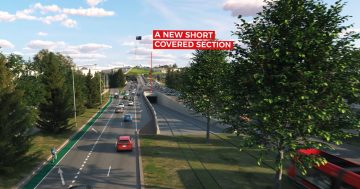
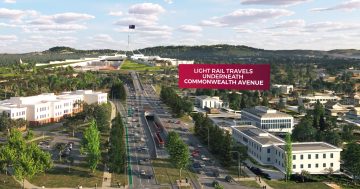
A short tunnel will be required under Commonwealth Avenue for the line to get to State Circle.
But ISCCC says the original four proposed routes should have stayed on the table.
These were:
- City – Commonwealth Avenue – State Circle – Adelaide Avenue
- City – Commonwealth Avenue – King Georges Terrace – Kings Avenue – Windsor Walk – Canberra Avenue – State Circle
- City – Commonwealth Avenue – King Edward Terrace – Kings Avenue – Windsor Walk – Sydney Avenue – State Circle – Adelaide Avenue
- City – Constitution Avenue – Kings Avenue – Windsor Walk – Sydney Avenue – State Circle – Adelaide Avenue.
The ISCCC’s preference was option four but the government’s decision to split the project and build Stage 2A to Commonwealth Park without a comparative analysis of the four selected corridors, as per the 2021 consultancy agreement between the ACT and AECOM Australia, in effect scuttled it.
“This option would avoid the Commonwealth Avenue Precinct and the Parliamentary Zone Precinct which the consultancy agreement states [page 34]: ‘are key areas for the project, and crucial to the long-term character of the National Capital’, the ISCCC letter says.
“This option would also significantly reduce the ‘potential for changes arising out of these approval processes.'”
Options two and three had been popular because they passed government offices and national institutions but were opposed by the NCA.
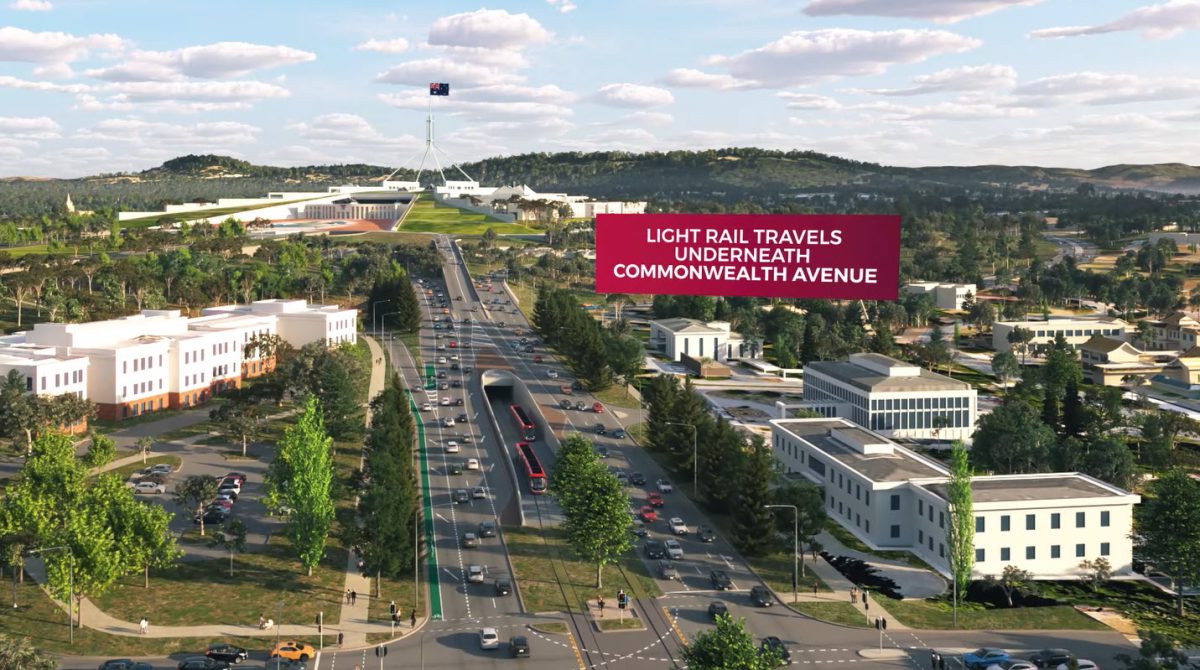
How Commonwealth Avenue might look, including the short tunnel to State Circle. Photo: ACT Government.
The ISCCC also questioned the independence of the draft EIS, which AECOM wrote with the assistance of technical consultants.
“We are concerned that this arrangement does not comply with the ‘scoping document’ issued for this project by the ACT Environment, Planning and Sustainable Development Directorate which states: ‘The authority requires that the proponent engage a suitable qualified independent consultant to prepare an EIS, or the proponent submits, with the draft EIS, an independent review of the draft EIS undertaken by a suitably qualified consultant,’” the ISCCC says.
It says the draft EIS failed to examine the feasibility of the other route options.
“It seems clear therefore that the draft EIS was defective in that it was not carried out or reviewed by an independent consultant; failed to carry out comparative analysis of feasible alternatives; and was intended to justify an already preferred route,” the ISCCC says.
It says the GML Heritage Report found that impacts would be particularly intense on Commonwealth Avenue from the loss of all trees from the central median from Albert Hall to Coronation Drive and large-scale tree loss from the verges on both sides from the front of Hotel Canberra to the Albert Street intersection.

The current 100-year-old cedars will be replaced by new plantings of pin oaks.
“The impacts on the heritage places associated with the State Circle East alignment will extensively alter the historic character and geometry of Canberra’s highly significant planned landscape, changing the expression of the designed city plan prepared by the Griffins and implemented by subsequent custodians, which forms the underlying structure for the entire expression of the unique and iconic urban design of Canberra,” the report says.
The ISCCC says that if the final EIS remains defective it should not be approved by the Commonwealth.
The final EIS will be lodged with the Australian Government Department of Climate Change, Energy, the Environment and Water, and the Territory Planning Authority next month, with an outcome expected by the end of this year.
Light Rail Stage 2B will need to be approved by the federal Environment Minister, the parliament and the NCA.