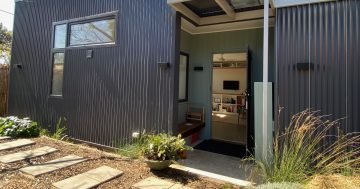
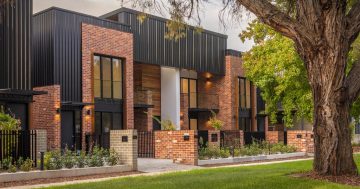
More Canberrans have been given the chance to establish second dwellings (like this one in Torrens) on housing blocks. Photo: Claire Fenwicke.
All single-dwelling Crown leases could have an automatic entitlement to build a granny flat (or other secondary residence) as part of proposed changes to deliver more ‘missing middle’ homes in existing suburbs.
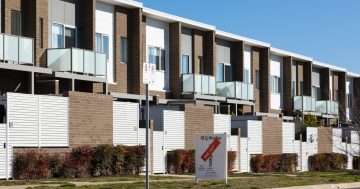
The Planning (Missing Middle Housing) Amendment Bill 2026 has been introduced to the Legislative Assembly to support the delivery of secondary dwellings, multi-occupancy housing, townhouses, terraces and low-rise apartments.
Planning and Sustainable Development Minister Chris Steel explained that the bill complemented the government’s proposed Missing Middle Reforms (DPA-04) to the Territory Plan, which is currently under consideration.
“[It] will help to speed up the program of missing middle projects through the planning system by streamlining assessment pathways and decoupling lease variations from the development application process for these types of developments,” he said.
“This will support more missing middle homes for Canberrans to be built sooner.”
Under the proposed amendments, small subdivision and consolidation development applications would no longer be considered significant developments. This would cut assessment and approval timeframes (along with two rounds of public notifications) from 60 to 30-45 working days.
It would also give all single-dwelling crown leases an automatic entitlement to build secondary residences, such as granny flats.
Changes to crown leases to add additional dwellings on a block would also become an exempt development.
This means a development application is not required to change the lease, cutting the assessment time to 10 days.
“This change is anticipated to save approximately 15 to 30 working days of administration working time per secondary development proposal,” Mr Steel said.
The bill does not change the requirement for a development application for the design and siting of the additional homes.

Master Builders ACT CEO Anna Neelagama said the organisation has long called for changes to streamline approvals to avoid further delays in the planning system. Photo: Master Builders ACT.
The proposed changes have been hailed by the building and development sectors.
Master Builders ACT CEO Anna Neelagama said the changes were “sensible, practical” ways to ensure more homes could be built without slowing the planning system.
“It strikes the right balance of ensuring new homes meet our standards while also providing a streamlined pathway for low-risk additional dwellings that are already allowed by the planning system,” she said.
“[This] will help builders and homeowners alike to get building the homes we need for Canberrans.”
Property Council ACT & Capital Region executive director Ashlee Berry was pleased the government was moving on to “practical reform” that the industry needed.
“If Canberra is serious about lifting supply, the system must stop duplicating steps that add delay but no real value,” she said.
“Cutting approval pathways and simplifying lease processes is how you get more homes moving faster.”
Ms Berry said the reforms were particularly important for unlocking better use of serviced land in Canberra’s existing suburbs, where missing middle housing could expand choice for right-sizers, first home buyers, smaller households and people who wanted to stay in their communities.
“For more than a year we have been consistently making the case for more townhouses, terraces, duplexes, secondary dwellings and low-rise apartments in well-located suburbs close to shops, services and transport,” she said.
“Canberra needs more housing diversity, not just more housing volume. Missing middle housing gives people more options at different life stages and makes better use of the infrastructure and amenity we already have.”
The bill is yet to be debated in the Legislative Assembly.