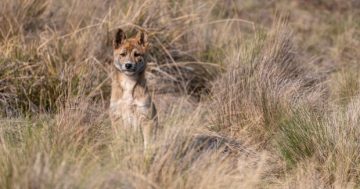
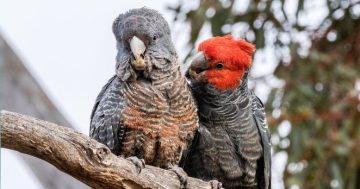
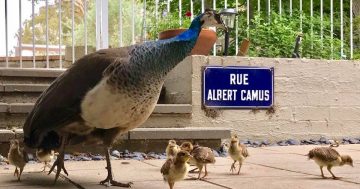
More than 80 per cent of the Territory is comprised of national parks, wetlands and reserves. Photo: Supplied.
Floating island refuges will soon dot Canberra’s lakes, dams and wetlands as part of preparations to protect its birds from a potential outbreak of H5 avian influenza.
It’s hoped these islands will provide a more secure environment for at-risk waterbirds, such as the sharp-tailed sandpiper and Latham’s snipe, to rest and feed without being disturbed or preyed upon by feral cats and foxes.
The islands have been funded through a $60,000 contribution from the Commonwealth Government.
Federal Environment and Water Minister Murray Watt said supporting healthy populations of vulnerable species was key to building resilience against H5 bird flu.
“Unfortunately, we won’t be able to stop H5 bird flu from reaching Australia, but we can prepare by supporting populations of at-risk species,” he said.
“That’s why the Albanese Government is investing in these floating island refuges that will protect our wildlife from both predators and the virus.”
The highly contagious and deadly strain of bird flu has not reached the mainland yet, but it has infected humans, wild animals (such as seals and sea lions), dogs, cats, cows and goats around the world in recent years.
The project will also serve as a pilot to see if floating refuges would be effective in other jurisdictions.
ACT Environment Minister Suzanne Orr said the ACT was well positioned to trial the floating islands, given more than 80 per cent of the Territory was covered by natural parks, waterways and reserves.
“The ACT is home to hundreds of species of birds, including some that are rare or threatened,” she said.
“It’s vital that we do everything we can to mitigate the potential impacts of H5 bird flu and prepare and protect our beloved native birds as much as possible.
“These floating wetland refuges are an innovative solution that could help protect our birds and if successful they can serve as inspiration for every jurisdiction to take action and prepare for H5 bird flu.”
It’s all part of the Commonwealth’s $100 million investment to strengthen the country’s surveillance, preparedness and response capability to H5 bird flu, given its threat to both our agricultural industries and wildlife.
The broader $100 million investment includes $35.9 million over two years for preparedness planning and protective action.
The Territory has already received $100,000 to support species and site-preparedness planning and $185,000 to enhance biosecurity and protect captive populations of the endangered eastern quoll at Mulligans Flat Woodland Sanctuary.
The H5 avian influenza strain is different to the H7 strain that impacted Canberra’s poultry industry in mid-2024.
The ACT Government’s scientists have been mapping the life history, behaviour, diet and movement patterns of Canberra’s bird and mammal species to assess their expected susceptibility to bird flu and biosecurity officers have been collecting monthly faecal samples from wild birds in the Jerrabomberra Wetlands.
The National Avian Influenza Wild Bird Surveillance Program has been expanded to include samples from Upper Stranger Pond and Isabella Pond in Tuggeranong.
Canberrans who see any suspicious illness or deaths in ACT wildlife should contact the Emergency Animal Disease Hotline on 1800 675 888.