

DJAS Architecture CEO Catherine Carter: “We’re not going to get people back to work 100 per cent of the time.” Photo: DJAS.
The property industry is flogging a dead horse complaining about the impact of working from home on the CBD and the focus should shift to creating a residential population and more activity in the city, a Property Council event was told on Thursday (23 October).
DJAS Architecture CEO Catherine Carter, a former ACT Property Council executive director, told The Life of a City: Reimagining Canberra event that it was no longer worthwhile trying to convince the government to mandate a return to the office.
“We’re not going to get people back to work 100 per cent of the time,” she said.
“So if we’re talking about Civic and economic activity and life, I think we have to be more creative about how we do that.”
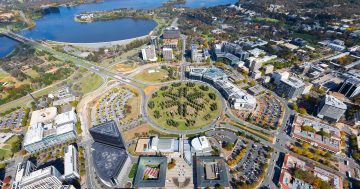
Ms Carter said Civic, with the new Lyric Theatre and the proposed Convention centre precinct on the way, was becoming a cultural and creative hub, so why not have people living there to participate in that?
“If we bring residents back into our city centre, through incentives, planning approvals and great design, we can really create an amazing place that connects community, cultural and education anchors, and becomes not just a place to work in but a place to really live,” she said.
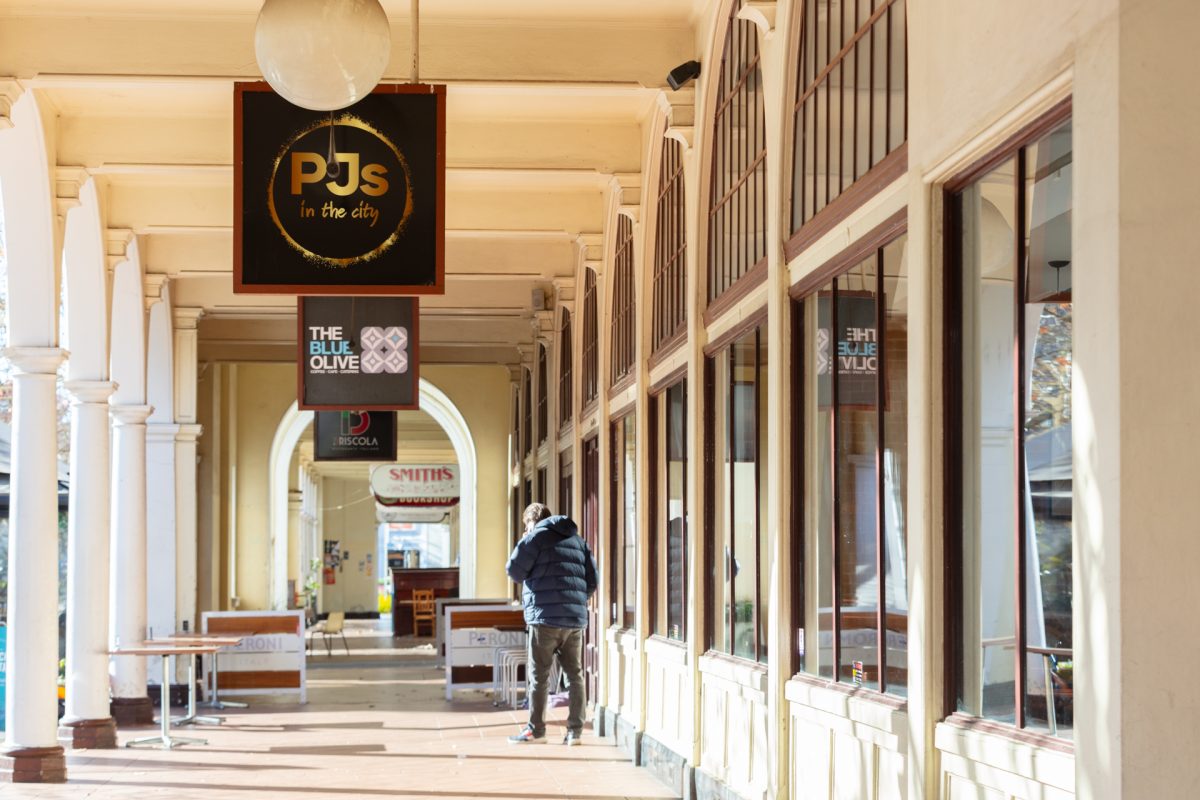
Never mind working, would you live in Civic? Photo: Michelle Kroll.
Event panellists tackled the CBD’s challenges of rising office vacancies, smaller workplaces, and the flight of some Commonwealth agencies to Barton.
CBRE’s Ash Nicholson said NSW was showing the way with planning initiatives on transport-oriented development, enabling high-density mixed-use around transport nodes, community centres with convenience retail and special entertainment precincts.
Ms Nicholson said these sorts of reforms address the question of how to achieve greater economic impact in precincts for more hours in a day and attracting more audiences into more places for longer periods.
She said cities should encourage entrepreneurs and creatives to fill the ‘lazy spaces’ not being used.
City Renewal Authority CEO Craig Gillman said employers needed to offer buildings and surroundings, along with a workplace culture, that would make staff want to be there.
Attractive workplaces also needed the “ancillary stuff”, such as the bars, restaurants and other amenities that completed the package.

City Renewal Authority CEO Craig Gillman: get the culture right. Photo: ACT Government.
“What do you do after and around work? What are we doing to build culture during the day, such that there are opportunities for team engagement?” Mr Gillman said.
He said attracting more residents to the CBD was part of diversifying activity there, as was the CRA’s program of events to draw visitors into the city.
A supporter of adaptive reuse of buildings, Mr Gillman said that unwanted Commonwealth offices had deep floorplates, making it challenging to convert them to residential and other uses.
One owner told him they were looking to create more flexible office space to attract different clients, not housing.
Property Council ACT & Capital Region Executive Director Ashlee Berry said the city centre faced high office vacancy rates, inconsistent foot traffic, and too few residents living in Civic.
Ms Berry called for greater collaboration between government, industry and the community to turn these challenges into opportunities.
She said options needed to be on the table – from more student and retirement accommodation to schools and additional social infrastructure – to support the many people who wanted to live in the city.
Planning, zoning, building heights and taxes may all need to change to make new investment in the city centre viable, Ms Berry said.
“A good example is the Lease Variation Charge – it must be more than a blunt revenue tool. Used well, it can be a lever for adaptive reuse, urban renewal and mixed-use development to bring life back into underused buildings,” she said.
“By modernising the system and rewarding projects that deliver public benefits, including through targeted remissions, we can make it easier to repurpose existing assets and attract the investment Civic needs,” she said.