

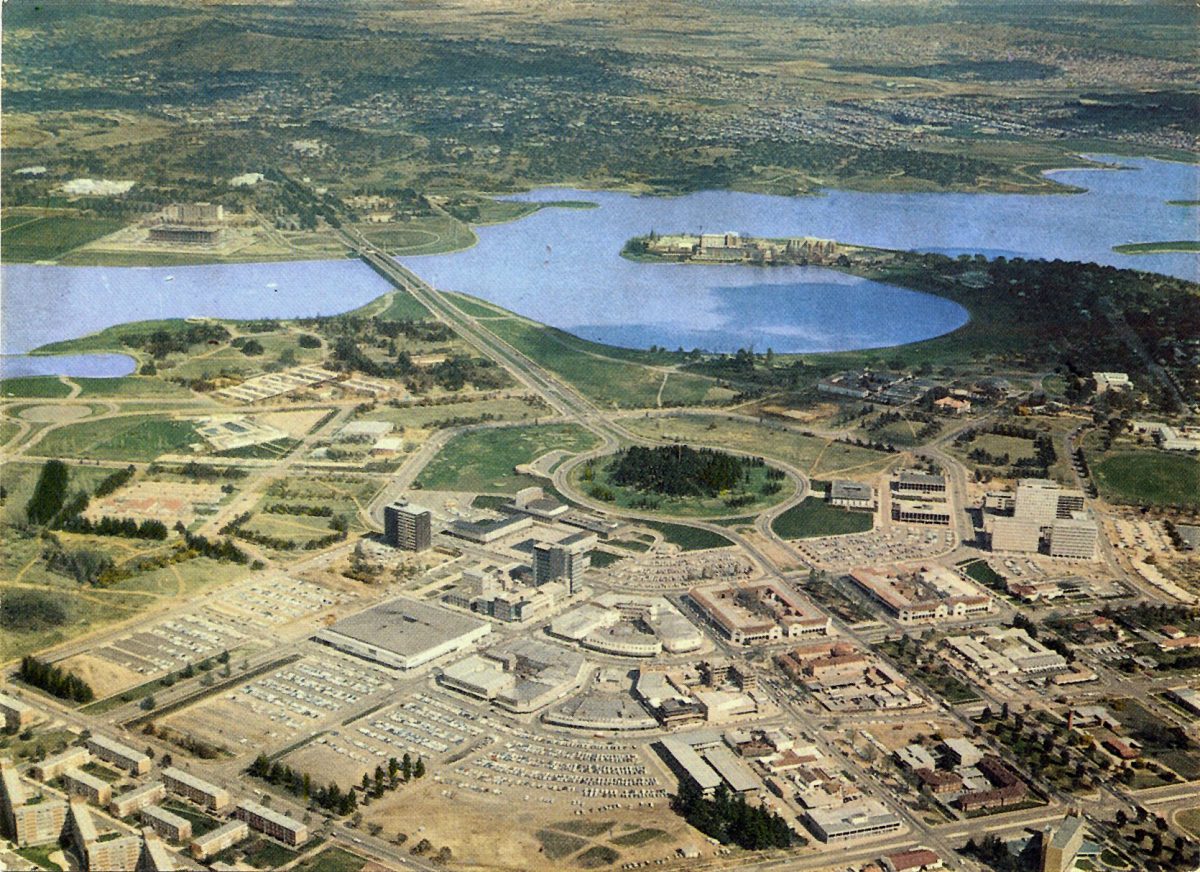
An aerial shot of the nation’s capital about 60 years ago. Photo: File.
This February marked the 60th anniversary of Changeover Day – when Australia made the monumental shift away from pounds and shillings to the decimal currency we know today.
But for Kevin Mulcahy, that “change was a piece of cake, really”. The real upheaval was yet to come.
Mulcahy spent 18 years with the National Capital Development Commission (NCDC), the federal body that oversaw the early days of Canberra’s expansion. He joined in 1970 and rose from senior accounting officer to head of the finance branch.
By then, decimal currency was done and dusted. Changeover Day on 14 February had been, in his words, “pretty uneventful”.
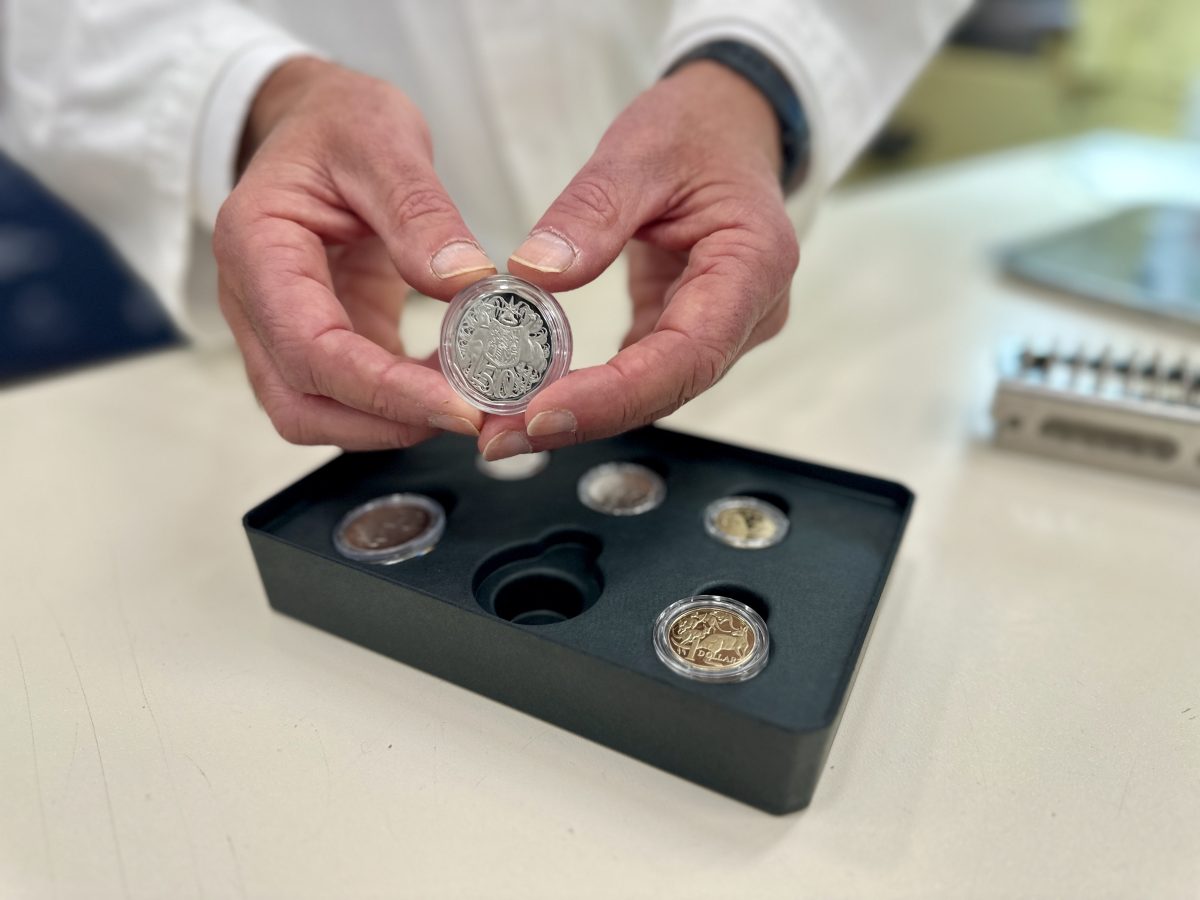
A freshly minted coin set at the Royal Australian Mint in Deakin. Photo: James Coleman.
“We were all hanging out for it to come in,” he said.
“We were used to adding up in pounds, shillings, and pence … it was sort of second nature. But it was a bit cumbersome.”
There were concerns that some shopkeepers might make money out of it by rounding up prices on goods. And concerns over how well it would play out in time.
“I was in a bar at Yowani one day, and said to a friend, ‘You know, for 10 bob we could buy a packet of cigarettes, a long neck bottle of beer, and a gallon of petrol. And I said, let’s see what the equivalent is in about 10 years’ time,'” Mulcahy recalls.
But decimal currency was simple compared to what came next.
When even the bricks changed
Metrication – conversion to a metric system of measurement – had come up before Federation in the early 1900s, but it only took hold decades later.
In 1968, a Senate committee decided in favour of the “inherent advantages of the metric system” to make education easier, reduce errors in business, and enhance trade with Australia’s export markets, 75 per cent of which also used the metric system.
Some changes trickled through immediately, particularly in the pharmaceutical, chemical and electronics industries.
But the rest waited for the passing of the Australian Metric Conversion Act on 12 June 1970, and the establishment of the Metric Conversion Board. Then it began in 1973, nine years after the change in currency.
“If you looked at a building, everything was measured in imperial,” Mulcahy recalls.
“Like the common garden variety house brick was 9 inches by 4.5 inches by 3 inches.”
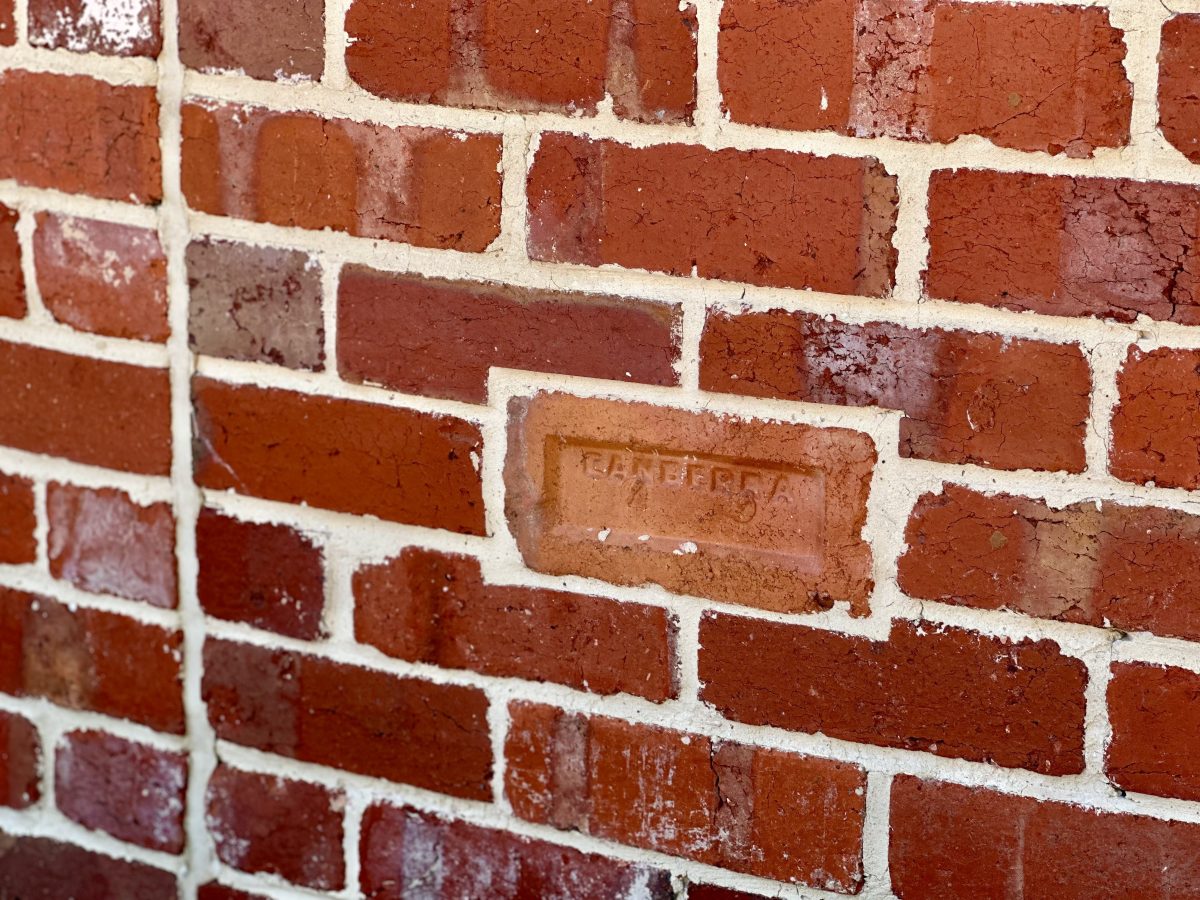
Bricks changed size, rounded up to their nearest decimal equivalent. Photo: James Coleman.
To make it easier, Australia didn’t just relabel materials. It resized many of them.
“Rather than change the measurements of these items in the building industry, the items themselves changed to a more logical decimal measurement. So house bricks, roof tiles, everything had to change size.”
Many contracts, bills of quantity and costings all had to be rewritten. Mulcahy was appointed the commission’s metric officer, tasked with dragging architects, engineers and planners through the change.
“I had to have meetings with the various sections … and bring them up to date on timetables and what happened, what had to happen, when and what was going to happen and why.”
Not everyone was thrilled.
“The architects didn’t like it, but the engineers enjoyed it and said it was much easier to do the maths.”
To win them over, Mulcahy used a swimming pool as an example.
“With a 50-metre length and a 25-metre width and a 10-metre depth or whatever it might be, they can measure the capacity of the pool, the volume and weight of the water, all simply through one or two calculations.”
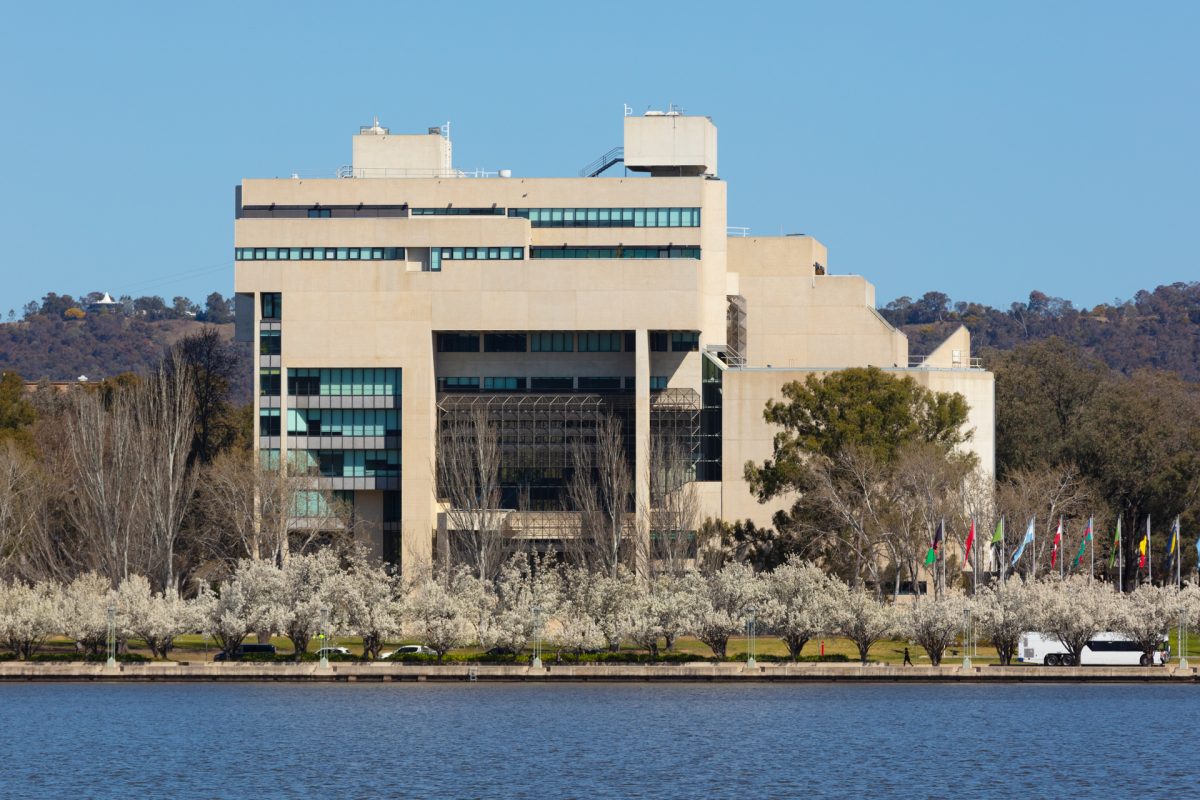
The High Court of Australia was still under construction at the time of the changeover. Photo: Michelle Kroll.
Still, the change couldn’t happen overnight. Major projects already underway – including the High Court of Australia and the National Gallery of Australia – had to finish under imperial-measured contracts before everything flipped.
“It had to wait until all the contracts that were underway were completed,” he said.
By January 1976, the building industry had completed its shift to metric.
Not just the bricks
The adjustments were far from limited to people with measuring tapes.
Over one weekend in July 1974, speed limit signs across the country switched from miles per hour to kilometres per hour, with the new signs set apart by today’s bold red circle around the number. Conversion kits for car speedometers were available.
Weather reports ran both Fahrenheit and Celsius for months before Celsius stood alone. Milk went from pints to 600 ml bottles, then to two and three litres. Shoppers bought 500 grams of flour instead of a pound.
‘Near enough’ became the rule. Even if it took a bit of time for that to be good enough for many people.
“It was a huge changeover, far bigger than the decimal currency,” Mulcahy says.
“The coin change was a piece of cake, really.”