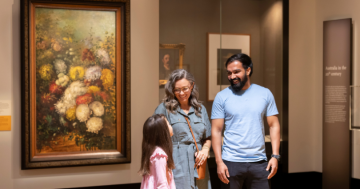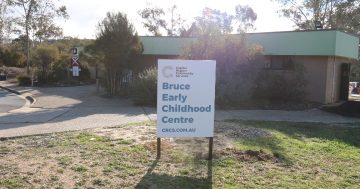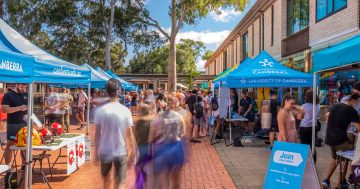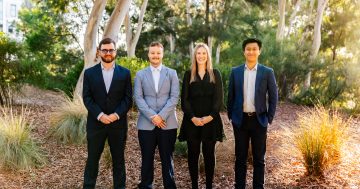

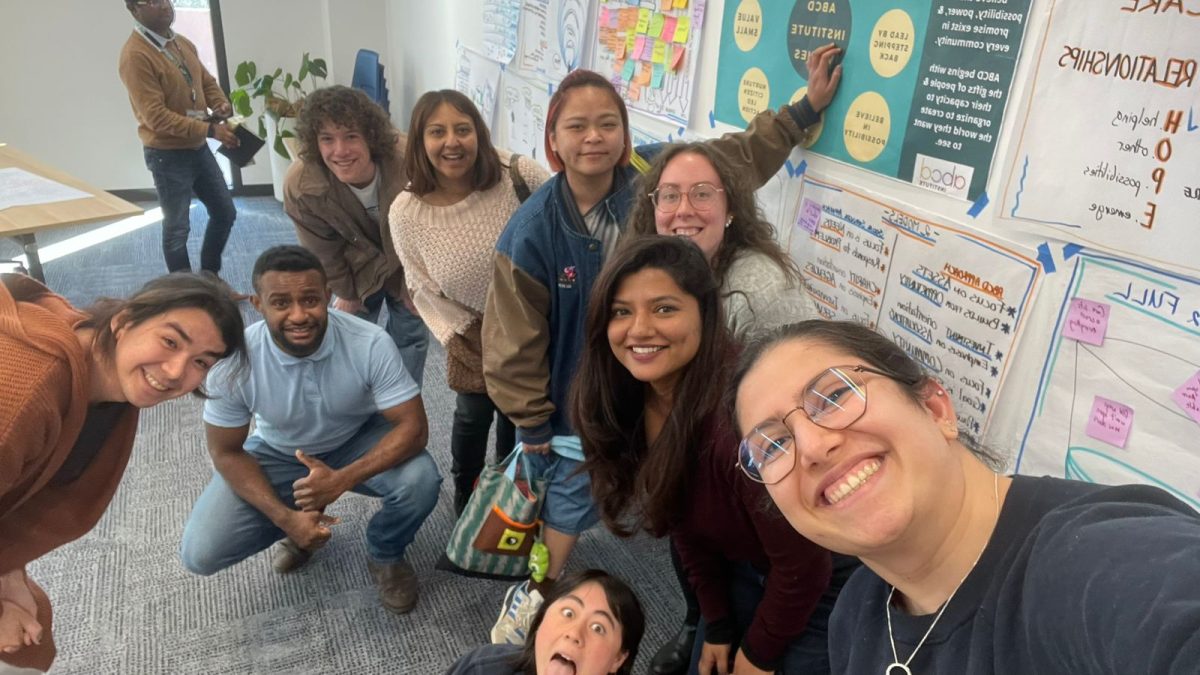
University of Canberra has trialled a variety of community events around Belconnen over the past 12 months. Photo: University of Canberra.
Belconnen has been named Canberra’s loneliest district for young adults – but a new community program has just received a boost to turn that around.
More than 40 per cent of Belconnen residents are young adults – well above the territory average of 16 per cent. At the same time, research shows 18 to 30-year-olds experience the highest levels of loneliness.
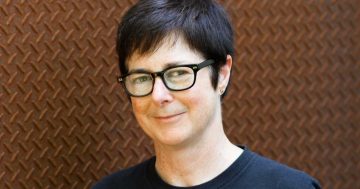
“We’ve got CIT, we’ve got UC, Lake Ginninderra College, Radford College, we’ve got government departments, so there’s a lot of young grads coming in,” University of Canberra (UC) associate professor Barbara Walsh told Region.
“And it’s probably cheaper than other parts of the city, so at the end of the day, we have an area with an incredibly high number of young people.”
For a myriad of reasons, however, they’re struggling to connect with each other and make friendships.
“There’s no one culprit. It’s a systemic issue. This is a time of transition – people leave school or uni, and move from structured environments to jobs when it’s more reliant on you to maintain contacts and friendships,” Professor Walsh said.
“Costs of living has also really impacted people’s ability to go out, so people are more considered and strategic about what they attend, and what they put themselves out for. It’s a big investment to meet people when it may not result in any social payback.”
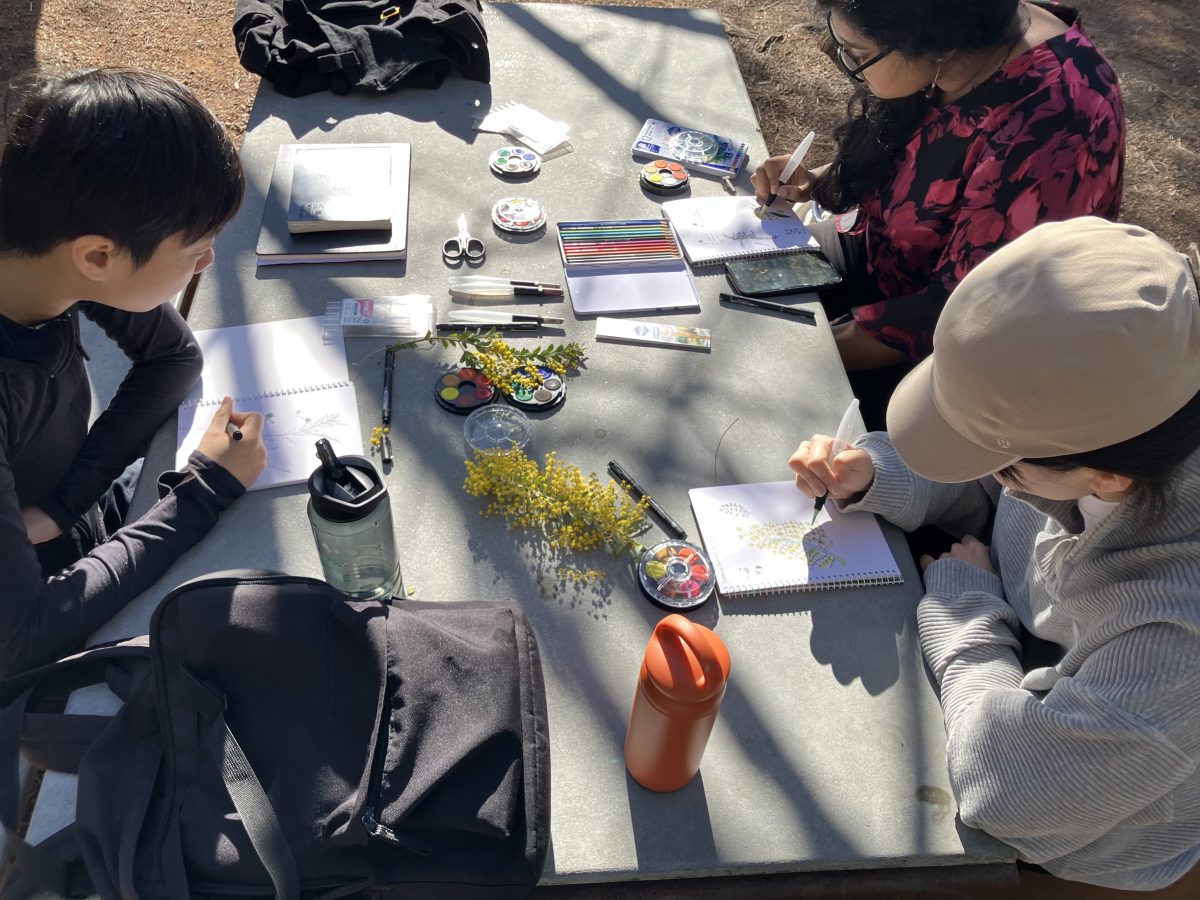
Art classes were among the series of `regular, low-cost’ activities. Photo: University of Canberra.
She said this was why UC’s recent pilot project, Connect Up 2617 was key.
For the past 12 months, it’s offered trivia nights, badminton and pizza, board games, and craft sessions at local bars and community centres in a string of “low-cost, regular events” designed to boost social connection.
“What we found is regular, low-cost, consistent activities across a range of things – games, social, sport, craft – is the most effective way to engage people,” Professor Walsh said.
“You can go along to the trivia at the Light House pub every Tuesday. If you don’t know anyone, just join a table. There are always going to be people there who’ll be welcoming.”
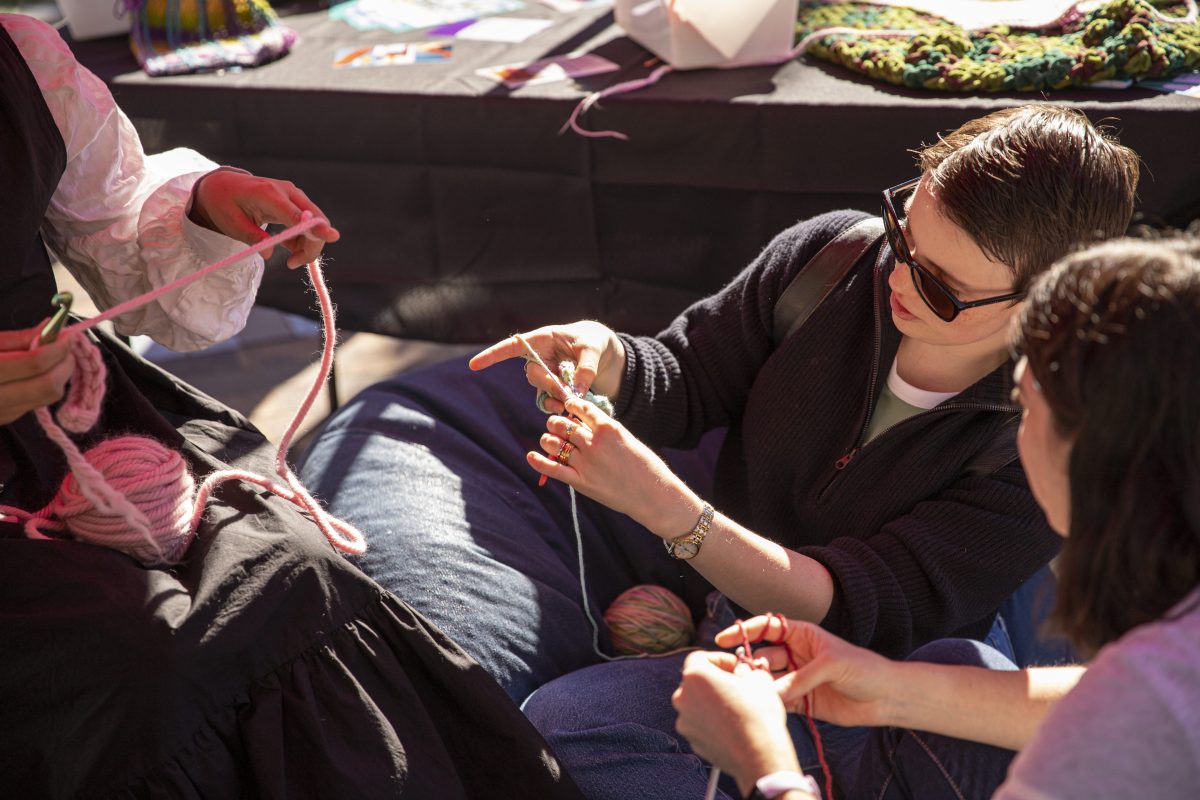
Those living in Belconnen’s high-rise apartment buildings have started regular get-togethers too. Photo: University of Canberra.
The program also helped residents in apartment buildings start their own regular get-togethers, from dinners to casual craft sessions, to get to know their neighbours.
“Some residents who lived in the nearby Oracle and High Society apartments came to us and said, ‘We’d like to run some regular events to get to know our neighbours’. So we’ve been able to help them hold dinners and get-togethers with people they now know.”
The approach is inspired by the UK’s National Health Service model of “social prescription”, where patients are referred to “link workers” who, in turn, refer them to various community-based activities such as art and sports groups.
In Canberra, the UC pilot employed several “community connectors” – local casual staff aged 18-30 who ran activities, welcomed participants, and helped people meet each other.
“They were the friendly faces who get things together on the ground, and make sure everything runs smoothly and everyone’s included and introduced to each other – they’ve been a key part of the program,” Professor Walsh said.
By the time the pilot wrapped up in October 2025, more than 450 people had attended one activity and more than 250 had attended at least two or more activities. Most reported feeling “less lonely, more socially connected” and with “a greater sense of local belonging”.
“That old term, it takes a village, really does apply. The barriers to social connection can only be resolved as a community. It’s too hard for individuals to do it themselves.”
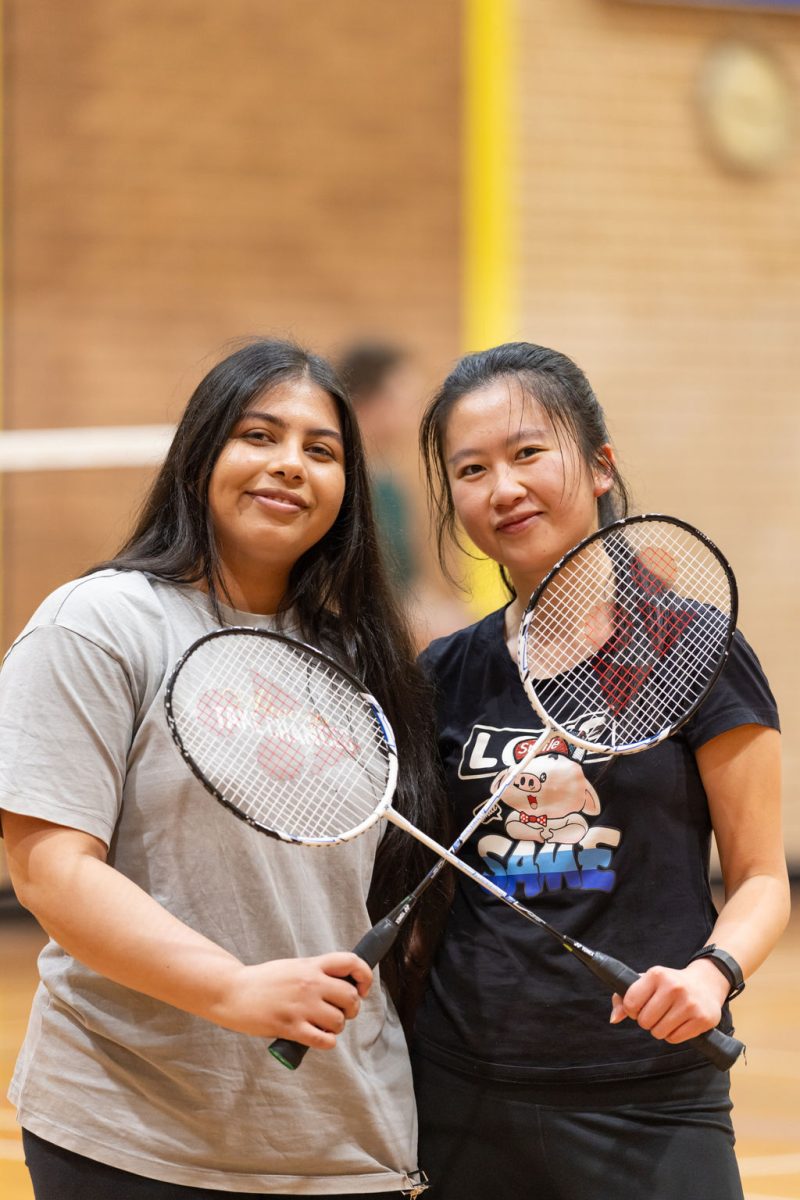
The Capital Region Community Service (CRCA) has now taken over the program with plans to grow it. Photo: University of Canberra.
The program has now been adopted by Capital Region Community Services (CRCS), which plans to fund and expand it, including extending the age range to the early 30s and opening it to residents of other Belconnen suburbs such as Scullin, Holt, Latham and Dunlop.
CRCS executive manger of impact and engagement, Ruth Jalloh, said the service would also explore needs in other locations “and see what might be possible for other parts of the ACT in the future”.
“For now, our focus is on the greater Belconnen region,” she said.
“Connect Up aligns perfectly with our focus on connection and belonging. It creates opportunities for people to feel welcome, supported and part of something bigger.
“It also helps fill a known gap in the ACT by supporting young adults as they transition from youth services, once they reach the upper age limit for those programs.”
Visit the Connect Up website for more information on volunteering or joining an activity near you.