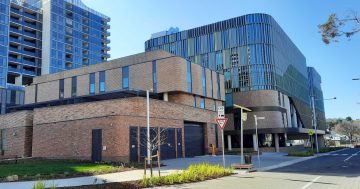
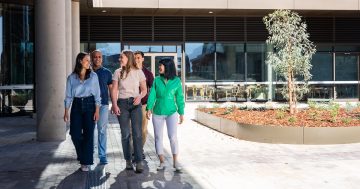
Hands-on supervised training at CIT is turning students into Canberra’s most wanted recruits. Photo: CIT.
Tradie-turned massage therapist Michael Blacker had not yet completed his Diploma of Remedial Massage by the time the first three job offers came through.
Such is the demand of Canberra Institute of Technology (CIT) allied health alum, he says.
“Graduates in my course were so in demand, I found I could look wherever I wanted and pick the place that was perfect for me,” he said.
“The course is brilliant. It caters for every aspect of the profession, whether you want to be a massage therapist working at a day spa or to go so far as becoming a soft tissue therapist like me.”
Michael’s experience echoes the industry: whether you’re starting in your career, looking to change careers altogether, or building on your current experience, there’s never been a better time for Canberrans to study a health profession.
The data backs this compelling picture. Jobs and Skills Australia projects the healthcare and social assistance workforce will grow by 28 per cent over the next decade. Health courses are already the most popular area of study at Australian universities, according to data collated by the Australasian Conference of Tertiary Admissions Centres (ACTAC), making up 22.2 per cent of all enrolments in 2025/26.
CIT plays a key role in addressing this demand, offering industry-aligned courses and pathways that equip learners with practical, job-ready skills to support Canberra’s current and future health workforce needs.
The semester 2 2026 offering spans aged care, allied health assistance, dental assistance, disability support, fitness, remedial massage, mental health, nursing and population health, with applications opening on 2 May 2026.
Michael says the institute’s hands-on approach is particularly critical in allied health courses, perhaps never more so than in massage therapies.
“There’d be nothing worse than getting the job and starting work on someone without having done all those mandatory hours of hands-on work under your belt,” he says.
While a handful of Canberra vocational education and training providers offer a Diploma in Remedial Massage, CIT is particularly well-regarded for its more stringent approach to the 200-hour practical requirement.
“Students get real-time feedback in person to ensure they’re kept on the right track and their skills are honed. We want them to be able to graduate and start the very next day.”

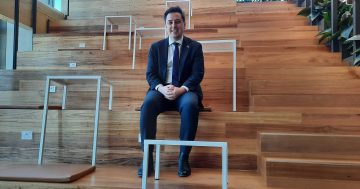
CIT alumni Michael Blacker was spoiled for employment choice after graduating with a Diploma of Remedial Massage. Photo: CIT.
But with part-time and full-time study options available, flexibility is baked into every other aspect of the diploma.
Full-time, the diploma takes about 15 months to complete; part-time, about 18 months, with some subjects delivered fully online.
“Wherever appropriate, we offer subjects, resources and materials online, for students to manage in their own time,” Jimmy says.
“Some are fully self-paced, available whenever they want to do it; others are live online sessions that students can attend, but these are also recorded for anyone who can’t make it at the time, and students can come to us with questions whenever they want.”
Students leave with comprehensive hands-on experience in manual therapy that they can use in the workforce directly or integrate with physical therapy studies at university.
Jimmy regularly fields calls from clinics seeking CIT remedial massage graduates.
“The employment outcomes for CIT massage graduates speak for themselves. Every student who completes the course has a genuine pathway straight into work,” he says.
“Massage therapy is currently listed on the ACT Skills Needs list, reflecting a real and urgent shortage across Canberra. Businesses that once operated as remedial massage clinics have had to pivot their model entirely, simply because qualified therapists are so hard to find.
“They come to us because they know we provide quality graduates to the Canberra community. From a professional and personal perspective, it is nice to see the difference we make in people’s lives, whether that be working with diverse groups or higher-level athletes. It is meaningful work with a specific job outcome – a niche needed in Canberra’s workforce.”
For those looking to extend their studies, CIT also has extensive pathways and credit opportunities to universities and further study.
To find out more or apply for a CIT course, including the Diploma of Remedial Massage and other health courses, applications open on 2 May. Visit CIT for more information.
Region Media Partner Content