
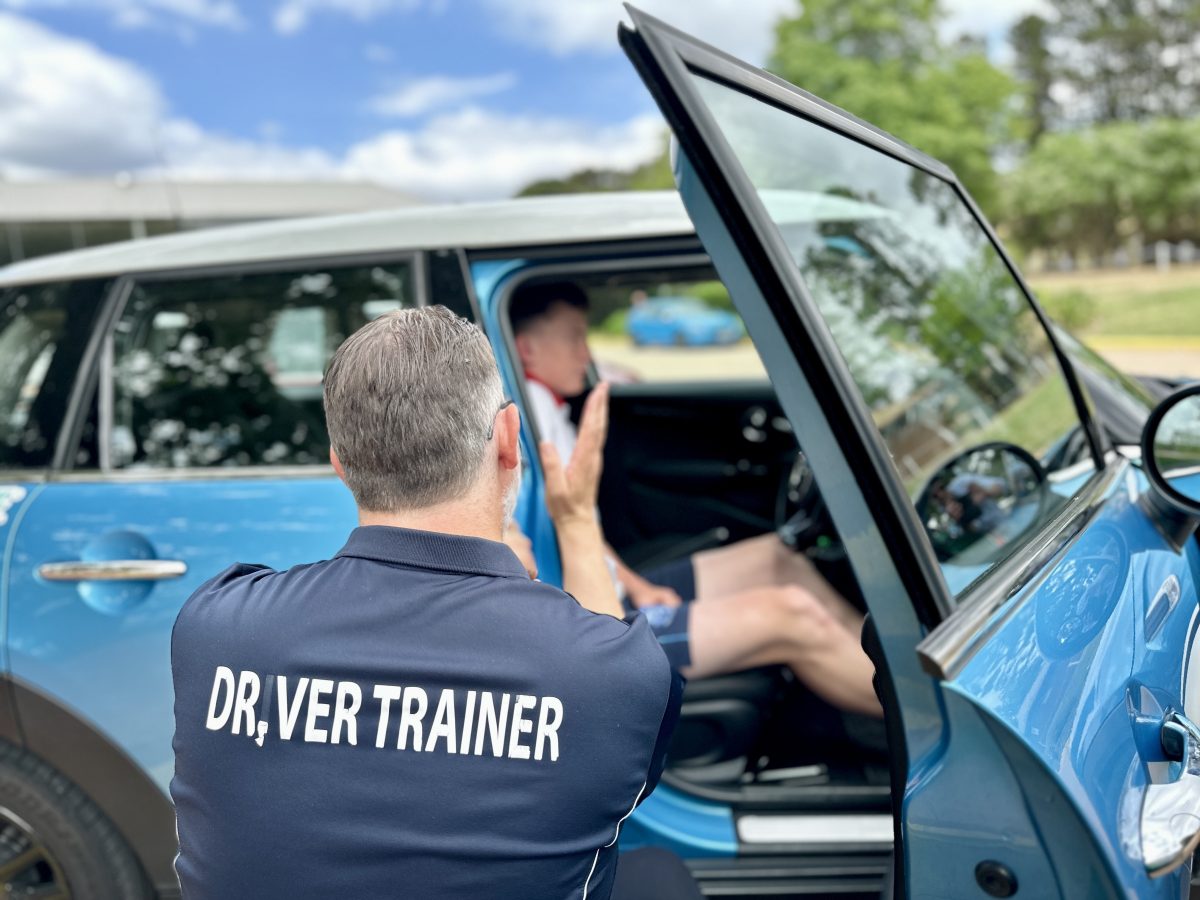
A Fifth Gear Motoring driving instructor taking a student driver through their paces. Photo: James Coleman.
Fewer than half of ACT learner drivers pass their practical driving test on the first attempt, and new data shows many require multiple attempts before succeeding.
Analysis by national driving school EzLicence found just 47.7 per cent of ACT learners pass on their first try, while more than half – 58.8 per cent – require a second attempt, while about 44 per cent need four or more attempts before finally passing.
So what’s going wrong?
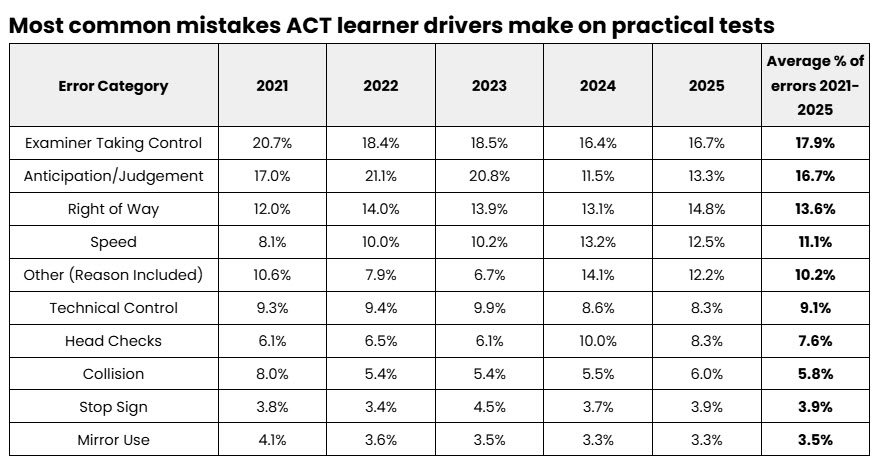
Most common mistakes ACT learner drivers make on practical tests. Photo: EzLicence.
When examiners have to step in
The really bad news? The most common reason ACT learners fail is serious enough that the examiner has to intervene.
Examiner intervention accounted for 17.9 per cent of all recorded errors between 2021 and 2025. EzLicence says this includes “situations where the assessor takes control to avoid danger, manage a hazard the learner hasn’t seen, or prevent a collision”.
The good news is that this figure has been falling, down from 20.7 per cent in 2021 to 16.7 per cent in 2025, suggesting fewer mistakes pose an immediate safety risk.
Still, it remains the single biggest cause of failure.
Judgment, right of way and speed
Close behind are errors linked to anticipation and judgment, making up 16.7 per cent of mistakes. These are errors in which learners misread traffic conditions, gaps, or the behaviour of other drivers.
Right-of-way mistakes are next at 13.6 per cent and are becoming more common. In 2021, they made up just 8 per cent of errors. By 2025, that figure had risen to 12 per cent.
“Speed control” is another major issue, accounting for 11.1 per cent of errors, particularly in school zones and roadwork areas.
Across all attempts, EzLicence found that mistakes involving red lights, mirror use, and collisions were common, especially among learners who needed multiple attempts to pass.
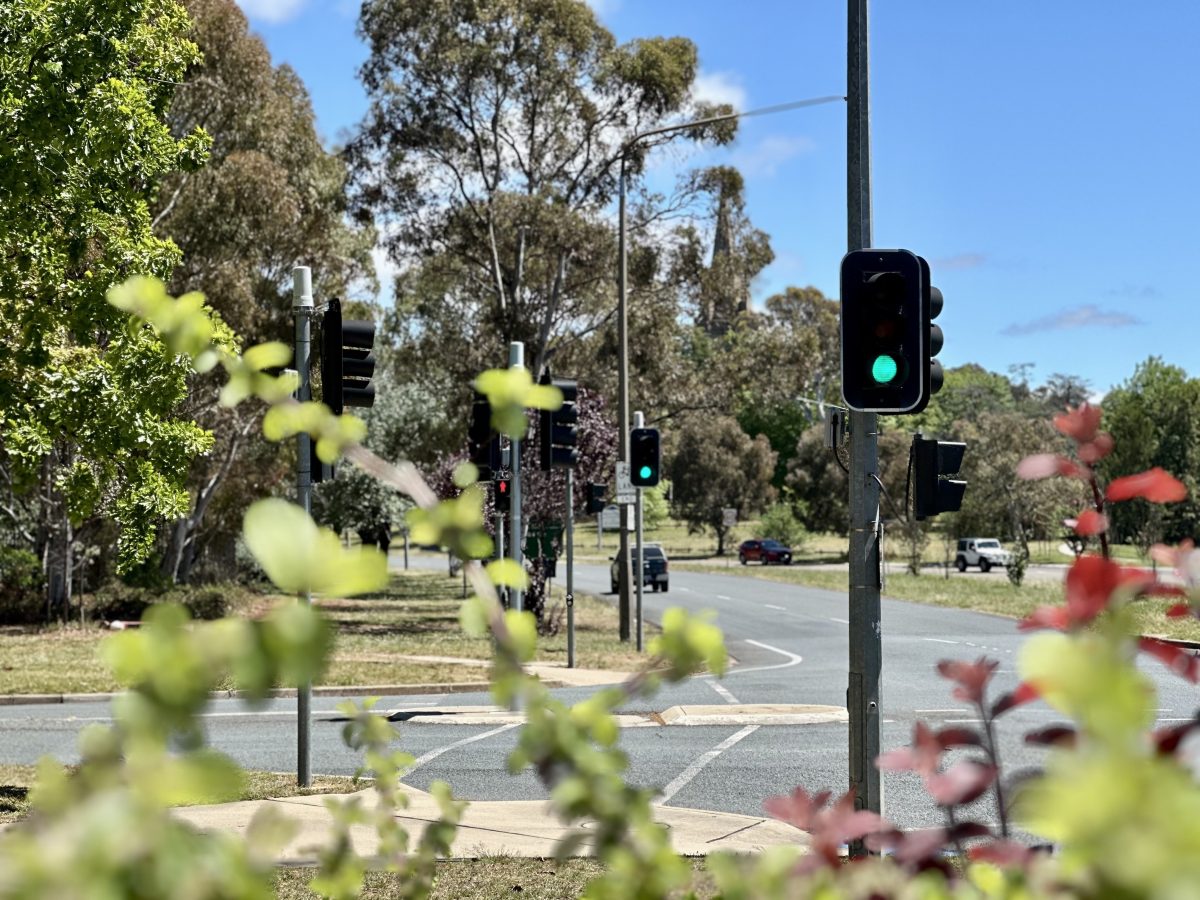
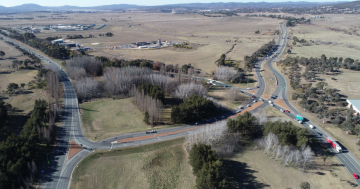
Traffic lights without arrows are the cause of most failures in Tuggeranong. Photo: James Coleman.
Why the pass rate is falling
The data shows first-time pass rates in the ACT have dropped sharply over time – from 60.8 per cent in 2021 to just 27.7 per cent in 2025.
At the same time – and perhaps unsurprisingly – the chance of passing on the second attempt has risen. In 2025, 58.8 per cent of learners passed on their second try, up from 49.3 per cent the year before.
EzLicence states that this suggests many learners address critical issues only after failing a test.
Southside struggles and tougher tests
Driving instructor Daniel Flanagan from Fifth Gear Motoring says most of his team have to intervene at one type of intersection in particular.
“Assessor intervention in the ACT … is most common at intersections where the learner is turning right must give way to oncoming traffic,” he says.
“Tuggeranong is especially bad with this, as there are a lot of traffic light intersections where you don’t have a right turn arrow.”
These tricky intersections are especially prone to catching out drivers who spend most of their time in the north.
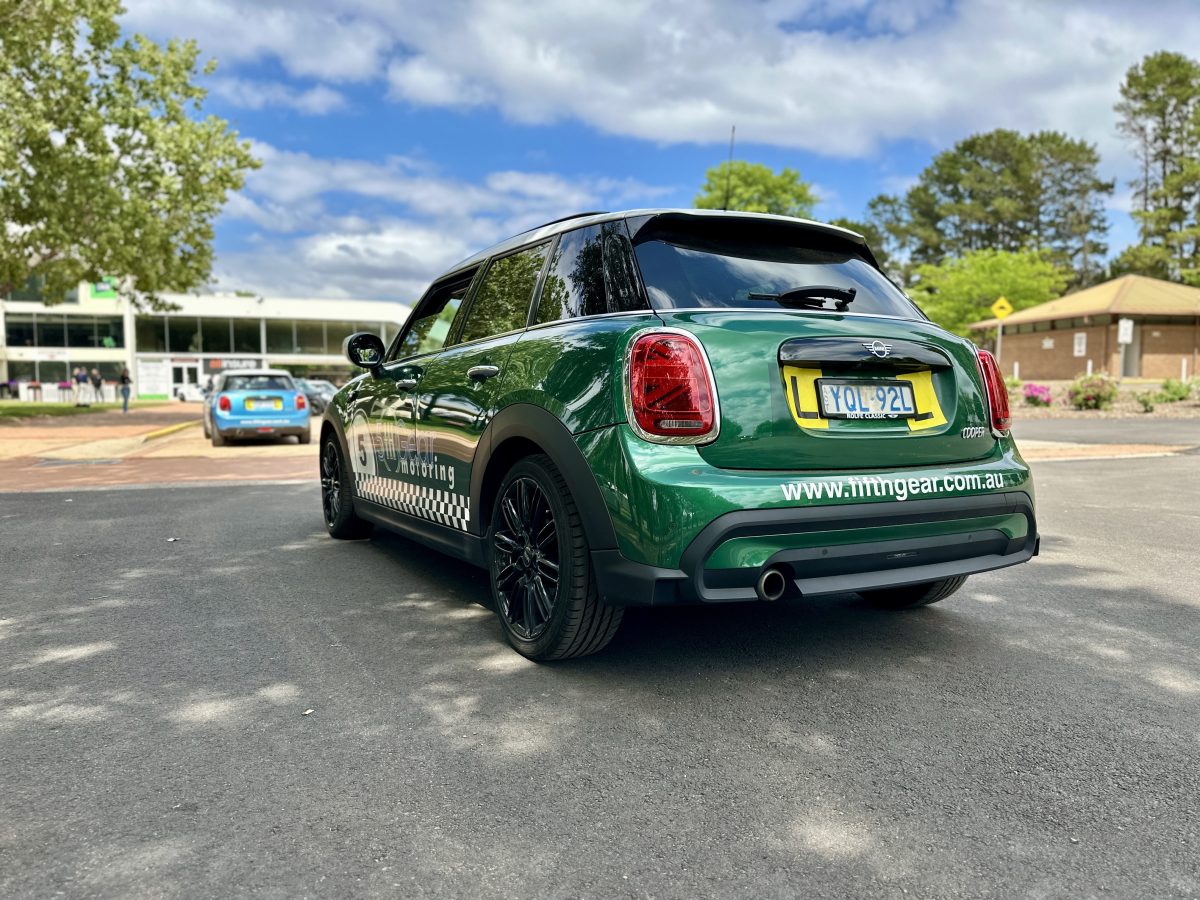
Fifth Gear Motoring runs a school driver-training program at Thoroughbred Park. Photo: James Coleman.
“There are only two testing locations in Canberra – Gungahlin & Tuggeranong – and they are booked out for over two months in advance,” Mr Flanagan said.
“A lot of northside learners book their test in Tuggeranong and have not been exposed to these types of intersections before, and it brings them unstuck.”
He also believes ACT learners face a tougher test than their NSW counterparts.
“I will also say that the test in the ACT is much harder than in NSW,” he said.
“In NSW, they are only required to do two low-speed manoeuvres – with very forgiving standards – and the test goes for around 30 to 40 minutes. By contrast, the driving test in the ACT goes for 45-50 minutes, and the learner is expected to do six low-speed manoeuvres.”