CanTEST’s pill testing service continues to deliver harm minimisation benefits to the ACT, even as its drug landscape changes. Photo: Nic Vevers/ANU.
Almost every Canberran who died from a drug overdose last year died at home.
That is one of the findings from the latest National Drug and Alcohol Research Centre report, which found 28 people died from drug-induced causes in the ACT in 2024, accounting for 1.2 per cent of all deaths in the Territory.
While the number of deaths remained largely unchanged from the previous year, the report paints a picture of a drug landscape that is changing rather than disappearing.
Twenty-five of the 28 deaths were caused by overdoses. Seventeen deaths were accidental, while six were intentional. Men accounted for almost two-thirds of all drug-induced deaths.
The ACT’s drug death rate has fallen from its pandemic-era peak in 2020 and has remained relatively stable over the past two years. But a separate section of the report appeared to point to a trend emerging inside hospitals.
Drug-related hospitalisations in the Territory increased 18 per cent in 2023 to 24.
Admissions involving methamphetamine surged 85 per cent in a single year, while opioid-related hospitalisations increased 38 per cent, suggesting more Canberrans are requiring treatment for drug-related harm even as the number of deaths has stabilised.
The figures prompted Region to ask Canberra Health Services whether overdoses were placing increasing pressure on hospitals and ambulances.
The answer was no.
An ACT Government spokesperson said ambulance call-outs where overdose was the primary diagnosis remained “relatively stable” over the past five years.
“Analysis of ACT Ambulance Service data shows that presentations where overdose is recorded as the primary diagnosis have remained relatively stable over the past five years, averaging approximately 60 cases per month,” the spokesperson said.
“That represents around 1.5 per cent of the ACT Ambulance Service’s overall caseload and has remained consistent over time.”
Health Minister Dr Marisa Paterson said reducing overdose deaths remained a priority.
“The ACT Government is committed to reducing harm associated with alcohol and other drugs and preventing the loss of life from overdose in our community, in line with a harm minimisation approach,” she said.
“The ACT Government will continue to invest in evidence-based initiatives that reduce overdose risk, improve health outcomes and support people to access treatment and support services, including by seeking to reduce stigma.”
The government acknowledged the biggest concern was no longer just opioids.
“The published data notes the increase in deaths from stimulants (amphetamines and cocaine),” the spokesperson said.
“Unlike opioids, where there are pharmacological interventions to effectively manage opioid dependence, treatments for stimulant dependency rely largely on psychological treatments alone.”
While highly potent synthetic opioids such as nitazenes have emerged internationally, the government said they had not yet resulted in high levels of referrals to ACT alcohol and drug services.
The spokesperson added the harmful effects of people using multiple drugs, as well as alcohol misuse, continued to challenge health services.
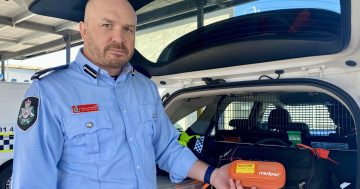
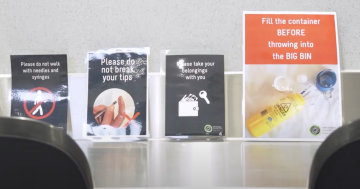
The government is continuing its investment in harm-reduction measures, including free take-home naloxone, expanded opioid treatment programs and CanTEST, Australia’s first fixed-site drug-checking service.
It’s analysed more than 7000 drug samples since opening in 2022.
A 2025 independent review estimated those measures could prevent 70 drug-related deaths and 215 emergency responses between 2026 and 2030, while delivering $10.80 in social and economic benefits for every dollar invested.
The ACT findings also sit within a broader national picture.
Across Australia, the report found deaths involving amphetamine-type stimulants increased by 29 per cent in 2024, while cocaine-related deaths rose by 40 per cent, signalling a shift in the drugs causing the greatest harm.
The ACT has so far avoided an increase in overall drug deaths.
Support for alcohol and other drugs can be sought by calling the 24/7 National Hotline on 1800 250 015. If it is an emergency, call Triple Zero (000).