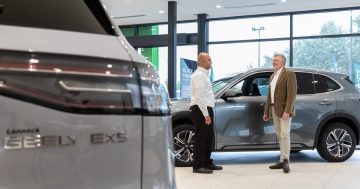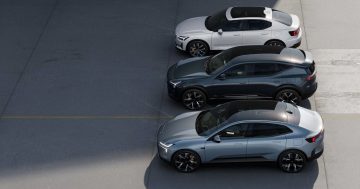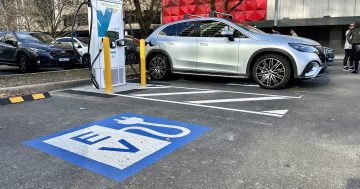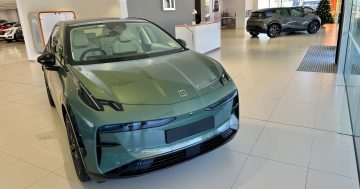

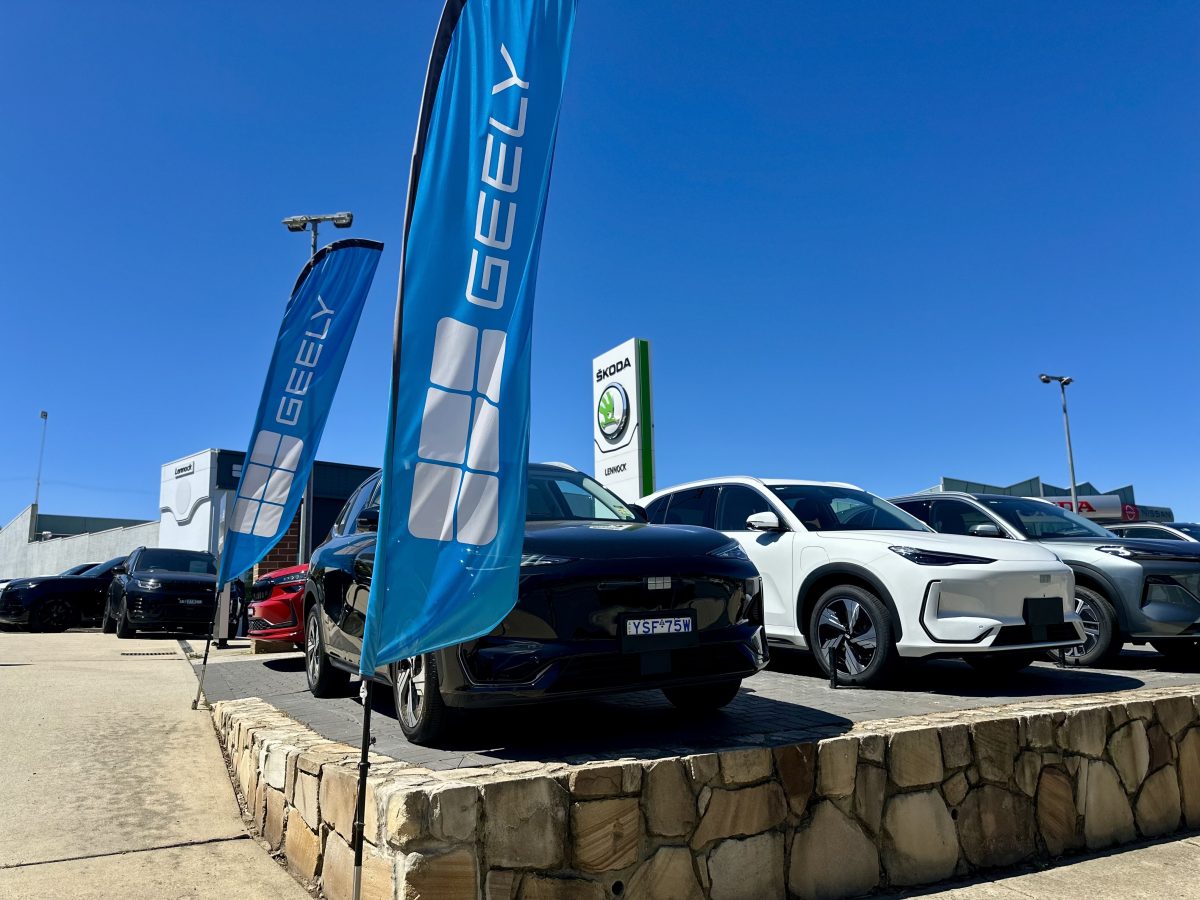
Lennock Geely opened in March 2025. Photo: James Coleman.
The Federal Government’s decision to cut tax incentives for plug-in hybrids (PHEVs) has barely dented demand in Canberra. One local dealership says the technology is still booming – above and beyond full EVs.
Nationally, hybrids and PHEVs have been standout performers all year. PHEV sales alone have doubled in the first half of 2025 compared to the same period in 2024.
And the latest sales data shows “rapid growth” in PHEVs, according to the Federal Chamber of Automotive Industries (FCAI).
Up to 4768 were sold across Australia last month alone, up 83.3 per cent on November 2024 and 130.6 per cent year to date (47,565 total sales so far in 2025).
“Plug-in hybrids continue to gain momentum because they give drivers the benefit of electric travel for daily use while removing range concerns,” FCAI CEO Tony Weber said.
“Consumers are looking for flexible, low-emission choices and brands are meeting that demand.”
Canberra’s Peter Axiom has watched the shift up close.
As co-owner of Lennock Motors in Phillip – selling everything from Hyundai to Jaguar, Volkswagen and Mitsubishi – he’s now also overseeing the Canberra launch of Geely, the Chinese brand behind Volvo, Polestar, Lotus, Smart and Zeekr.
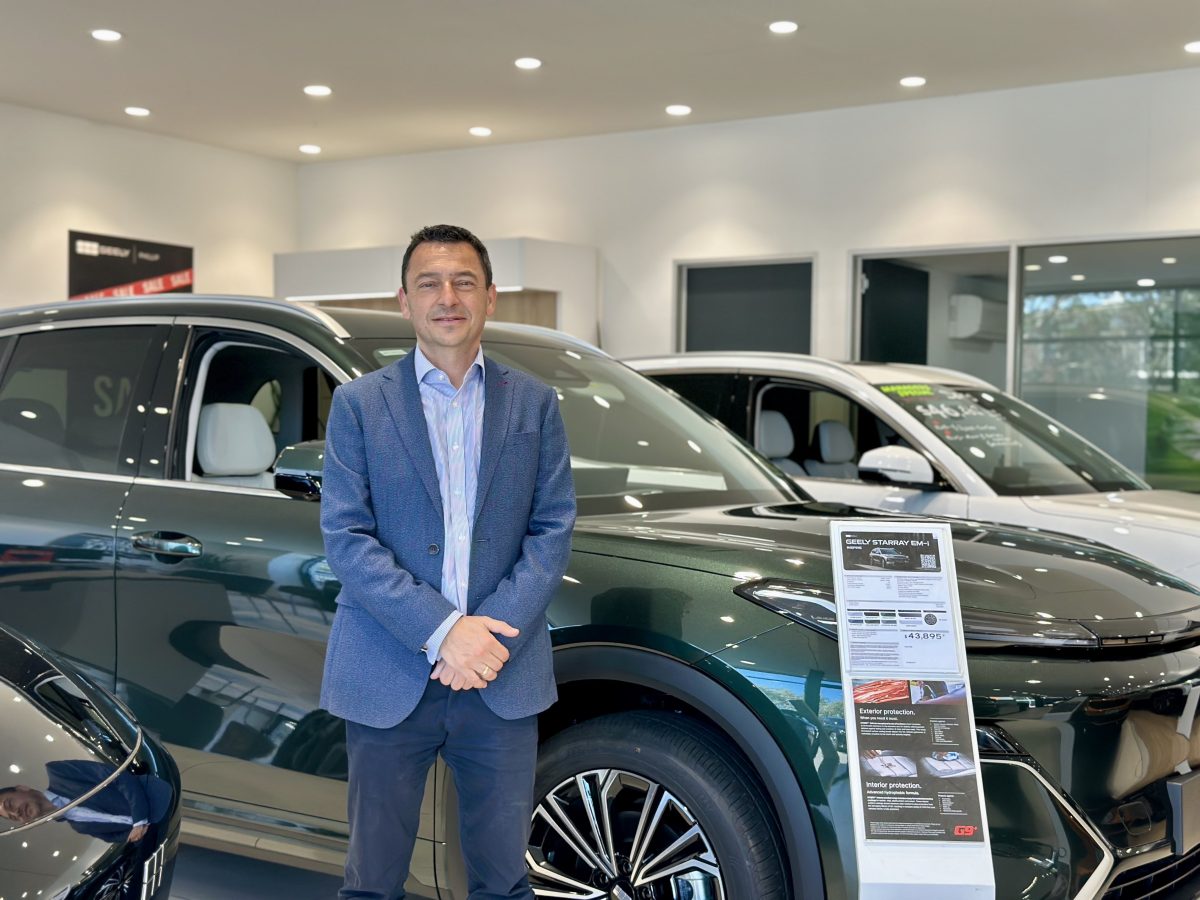
Lennock Motors co-owner Peter Axiom. Photo: James Coleman.
Geely entered the Australian market in March with two models: the fully electric EX5 SUV ($44,131 driveaway in the ACT) and the plug-in hybrid Starray EM-i ($40,707). For a brand most Canberrans “are still unfamiliar with”, Geely is performing surprisingly well, Peter says.
“It changes month to month. Last month, we sold a lot of the plug-in hybrids and the EX5 was down. Then it moved the other way. But overall, it’s good. We’re averaging about 25 cars a month.”
From that vantage point, Peter has a clear read on who exactly in Canberra is buying EVs and who’s choosing PHEVs instead.
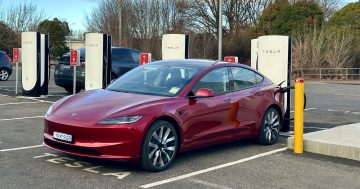
He says EV buyers arrive “generally very well researched” with a clear idea of the model they want and detailed questions about charging speeds, cables and home setups.
“There’s a fair percentage of older generation coming to buy electric cars and the home charging is probably a bit simple for them, particularly as they often have their own homes,” he says.
Most already own a petrol or diesel car. They’re adding an EV as a second, around-town vehicle.
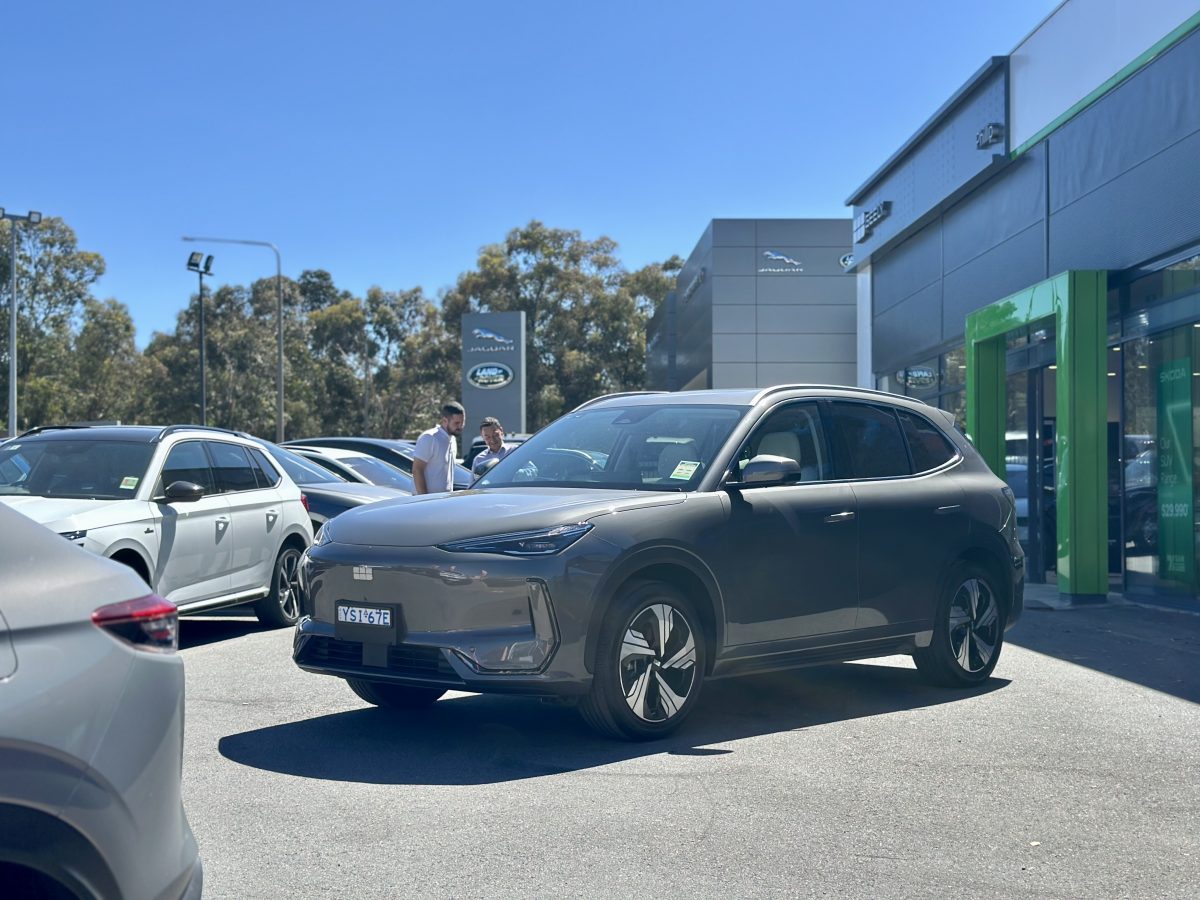
The Geely EX5. Photo: James Coleman.
Peter says PHEV buyers are a different crowd.
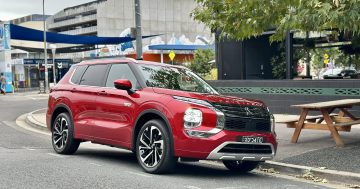
They’re usually looking for one car that can do everything – daily commuting on electric power alone, plus longer trips using the petrol backup. And importantly, they see PHEVs as a stepping stone.
For instance, while the fully electric EX5 offers a range of up to 430 km, the Starray EM-i is nearly about double that – 83 km from the battery for a total of 943 km.
“A lot of it’s usually that half step – most people have the intent to get into an electric, but they’re not committed just yet,” he says.
“You can go to work three days on their charge – particularly in Canberra where you’re doing 20 km a day – and you can just plug it in overnight without using any petrol at all. That’s a big plus.”
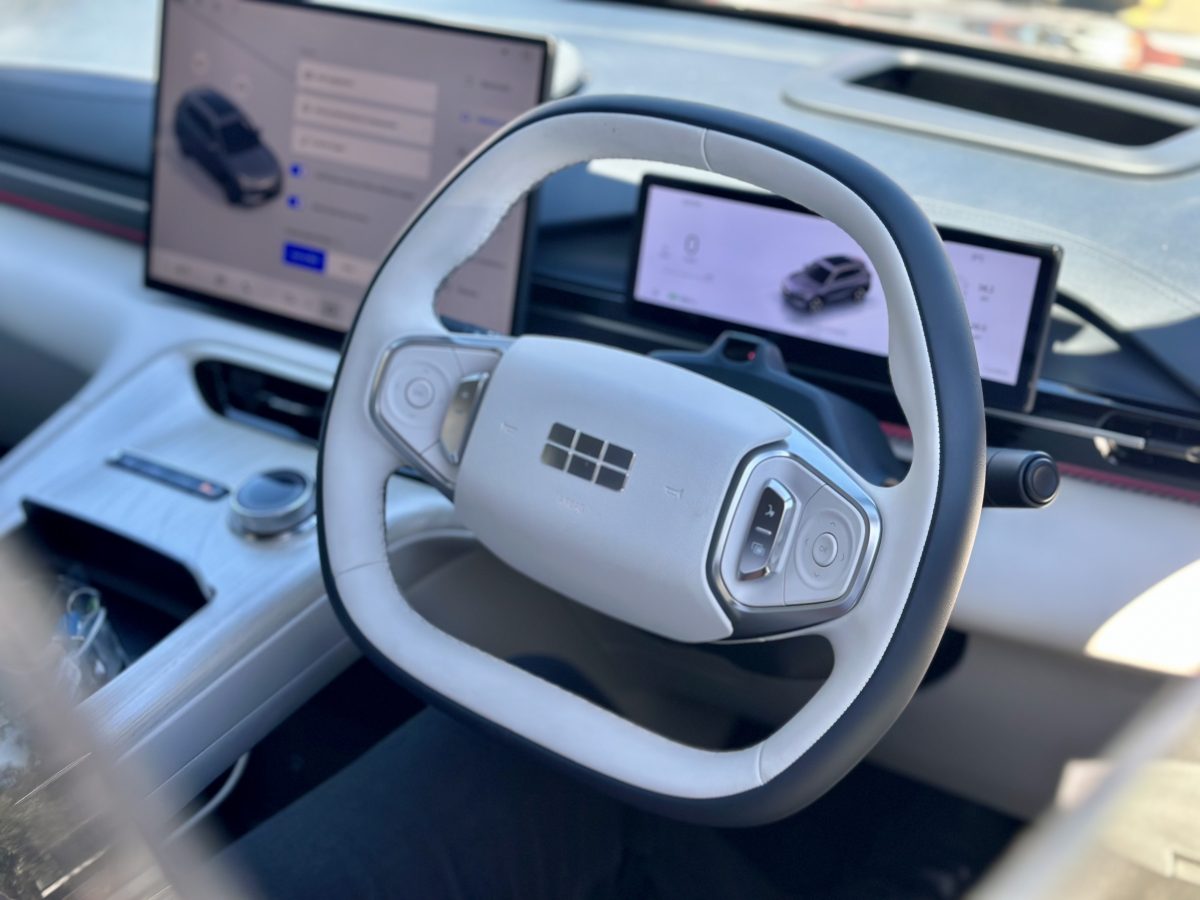
Many EV buyers regard it as their second car. Photo: James Coleman.
Canberrans who regularly drive to Sydney or the coast are especially drawn to PHEVs, he says.
“People who want to be able to do longer trips, and even a lot from Canberra to Sydney – they’ll go for the PHEV. And they’ll mention going for an EV later.”
The Federal Government removed the Fringe Benefits Tax exemption for PHEVs on 1 April, meaning the vehicles could no longer be novated-leased tax-free. Most expected demand to then crash.
“There was a real rush on 31 March, then PHEV sales did drop – and I thought they were going to die, but they haven’t. PHEV sales are still steadily increasing,” Peter says.
He credits this to one big factor: more choice.
A decade ago, the Holden Volt and Mitsubishi Outlander were the only PHEVs available. Now the list includes Alfa Romeo, BMW, BYD, Chery, GWM, Jeep, Mazda, Mercedes – even the Ford Ranger. So far, the BYD Shark 6 ute is the best performing model, with far more than 10,000 sold in Australia.
“There’s a lot more availability of the product in the market.”
Some experts argue PHEVs help drivers transition to full electric while others claim they delay it. Peter believes market forces will eventually push buyers toward EVs regardless.
“I think the government’s New Vehicle Efficiency Standard is going to naturally coerce the market in the EV direction.”
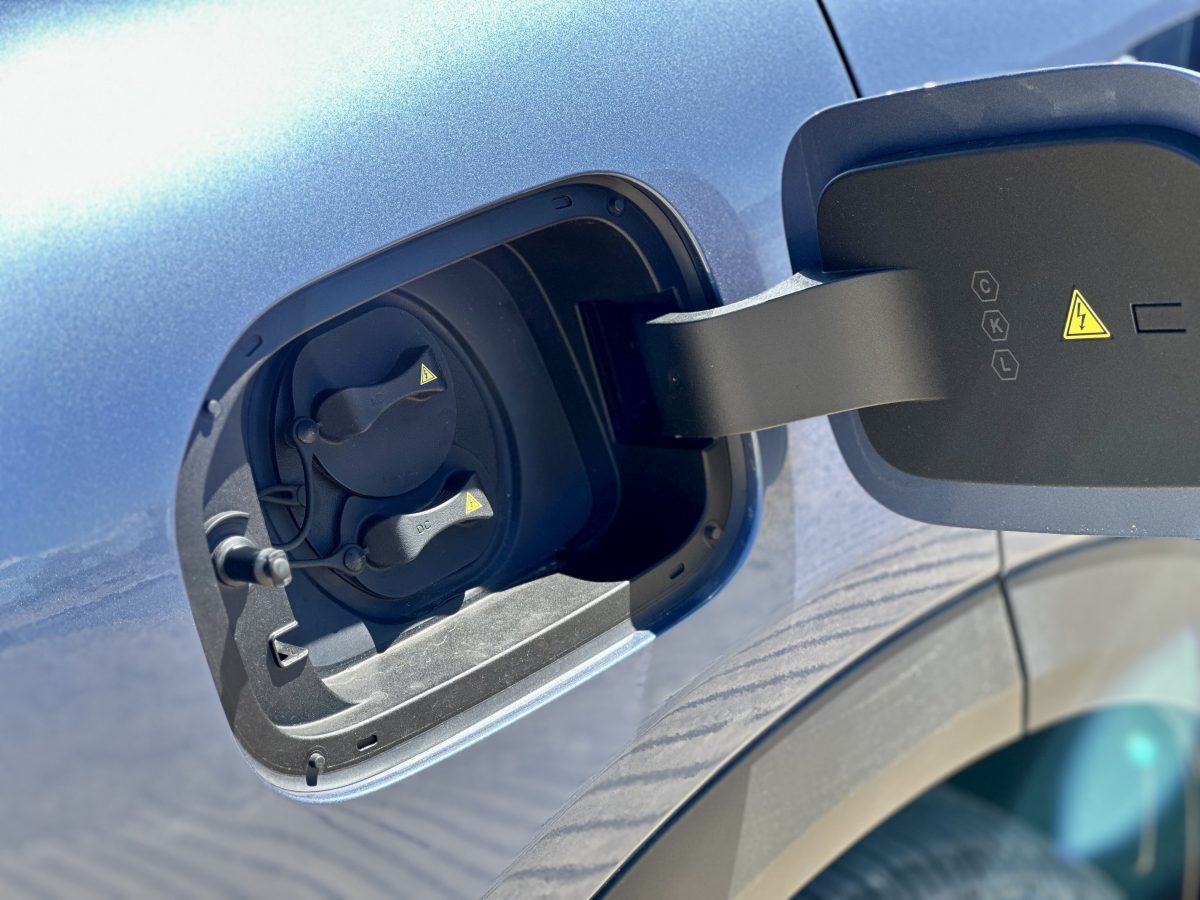
The plug point on the Geely Starray EM-i. Photo: James Coleman.
He says relentless improvements to battery tech will only strengthen that shift too.
But for now, change is slower than anticipated and brands such as Geely are leaning into that reality. The company plans to release at least six “new energy vehicles” – a mix of EVs and PHEVs – in Australia over the next three years.
“We’ll end up with a full range here over time,” Peter says.
Visit Lennock Motors for more information.