
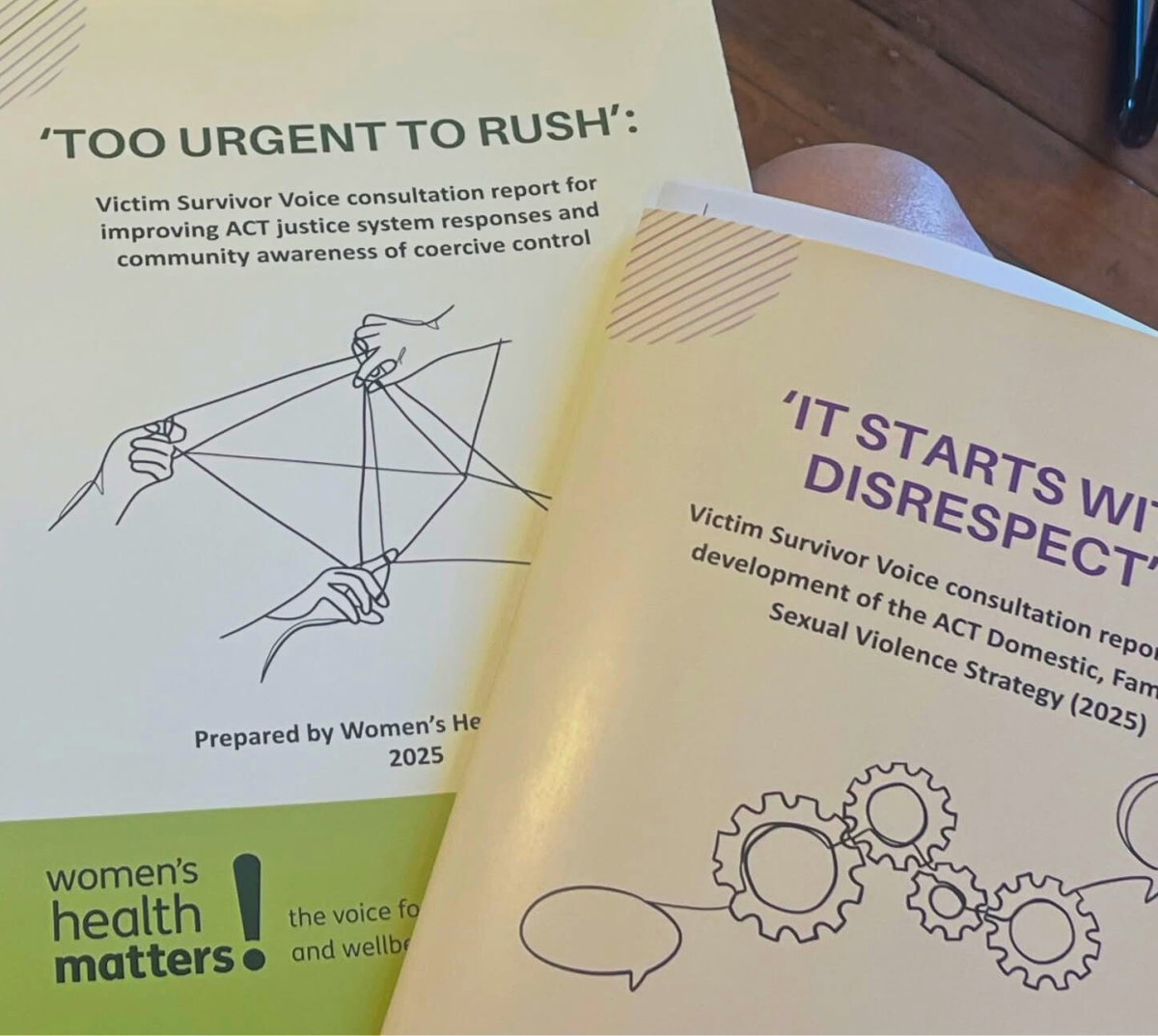
Prevention of Family and Domestic Violence Minister Dr Marisa Paterson said the two reports would shape both the ACT’s 10-year prevention strategy and legislative reform to criminalise coercive control. Photo: Facebook / Marisa Paterson MLA.
CONTENT WARNING: This article discusses coercive control and domestic violence.
“Eventually, Jay’s control had become so normalised that Sara rarely recognised it as abuse anymore.”
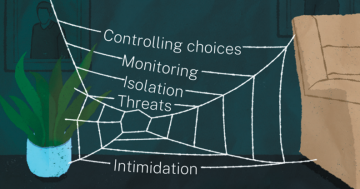
The incredibly complex nature of coercive control – which is yet to be criminalised in the Territory – has been highlighted in a new report to help improve the ACT’s justice system responses and community awareness of this form of domestic, family and sexual violence (DFSV).
Women’s Health Matters conducted the Too Urgent to Rush consultation report as part of the Victim Survivor Voice pilot program, created to help develop the ACT’s 10-year Domestic, Family and Sexual Violence Strategy.
It included a case study about Sara and Jay (names changed).
Red flags began appearing when the couple bought their first apartment. Jay suggested they combine their bank accounts to make managing finances “easier”, then began questioning Sara about every purchase she made.
Jay began starting arguments before it was time to see Sara’s family, leading Sara to cancel, and checking her phone each night because “transparency builds trust”. He’d also withdraw affection for days after seeing friends, making social contact “emotionally expensive”.
“Within 18 months, Sara had no independent finances and very little contact with family or friends. She had developed severe anxiety, which was affecting her ability to do her job,” the report stated.
Police attended four callouts during this period, but none of the reported civil disputes met criminal thresholds. But when Sara contacted a domestic violence service, they validated her experiences and eventually helped her find hotel accommodation for a week.
“There were no vacancies in the women’s refuges. Sara was not eligible for ACT Housing because she was listed on the mortgage with Jay. She was not eligible for free legal support because she did not meet the income eligibility criteria,” the report noted.
“Sara felt that she had no option but to return to the relationship.”
When Sara returned home, Jay had changed the locks “for security” and installed a doorbell camera.
The case study goes on, outlining how Sara tried another four times to leave over two years, with her case deemed “non-urgent” by legal services due to a lack of immediate physical danger or homelessness, and fears an application for a Family Violence Order would be rejected, Jay convincing Sara to quit her job as her stress was affecting their relationship, and how her distress was interpretated by police officers as a need to send Sara for a psychiatric evaluation.
“Sara’s case had interacted with multiple systems over these five years – workplaces, police, mental health services, legal services, housing, domestic violence services – but the fragmented responses meant no single system had visibility of the complete picture of systematic, long-term coercive control,” the report noted.
“Each system responded to isolated incidents rather than recognising the deliberate and ongoing pattern of abuse.”
Victim-survivors broadly supported criminalising coercive control, but also had concerns about the potential risks.
One person submitted that the law was a “blunt tool” for prevention and was “woefully inadequate” because it often betrayed victim-survivors.
“Victim survivors urged the ACT Government to adequately fund and develop all aspects of the service system for the impacts of this legislation to be managed safely,” the report noted.
“It means properly funded services – housing, counselling, financial support, and legal help – so survivors have somewhere to turn once the law recognises their abuse.”
Developing whole-of-system responses to DFSV was just one theme highlighted in this report and its companion, It Starts With Disrespect, which had a broader look at how to develop the ACT’s prevention strategy.
Women’s Health Matters CEO Lauren Anthes said both reports showed enormous opportunity existed across healthcare, education, justice, housing, child protection, employment and community settings to recognise and respond to warning signs before violence escalated.
“Four key priorities emerged from consultation … prevent violence before it starts, equip every ACT system to take action, increase access to support beyond crisis, and prioritise children and young people,” she said.
“The critical next step is embedding these four priorities across all reform efforts while ensuring victim survivors remain engaged and empowered to guide implementation.”
The Victim Survivor Voice pilot has been extended until 2027, with the next phase focused on expanding the breadth of victim survivor perspectives.
Legislation to criminalise coercive control is expected to be drafted and presented by the ACT Government by mid-2026.
If this story has raised any concerns for you, 1800RESPECT, the national 24-hour sexual assault, family and domestic violence counselling line, can be contacted on 1800 737 732. Help and support are also available through the Canberra Rape Crisis Centre on 02 6247 2525, the Domestic Violence Crisis Service ACT 02 6280 0900, the Sexual Violence Legal Services on 6257 4377 and Lifeline on 13 11 14. In an emergency, call Triple Zero.