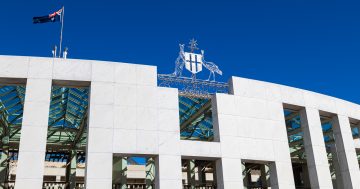
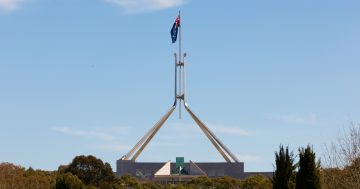
Lobbyists with sponsored passes have unfettered and unescorted access to the corridors of Parliament House. Photo: Pressmaster.
Anthony Albanese wants greater scrutiny of the processes that give some people unfettered access to Parliament House and he has told the presiding officers to look into it.
The Prime Minister wants this to happen along with an impending review of the passholder system and he has written to House of Representatives Speaker Milton Dick and Senate President Sue Lines asking them if increased “transparency and rigour” can be applied.
He is particularly concerned about the orange-sponsored parliamentary passes that give lobbyists and others free and unescorted access to the corridors of power and most places inside the building – including private areas.
The PM expressed those concerns during Question Time in parliament this week.
He said the review would look at the conditions and requirements for unescorted passholders in Parliament House.
He wants it to result in greater transparency.
“There are security issues in this place as well as long lists, as you might have noticed in some other places as well, that have been dealt with that members have to deal with in 2026 and we need to tighten it up,” Mr Albanese said.
“Unescorted access to parliament is a privilege, that is a matter for the presiding officers, but there should be greater rigour around sponsored passes, particularly for professional lobbyists.”
Independent MP Monique Ryan grilled the Prime Minister about his request for yet another review and asked if this one would be open to the public.
“It’s no secret that Australians are concerned about the degree of access lobbyists have to politicians inside Parliament House,” Dr Ryan said later.
“Every day that parliament sits, hundreds of lobbyists roam its halls, meeting with ministers and influencing government decision-making.
“The Federal Government has 130 unanswered parliamentary committee inquiry reports sitting on the shelf, collecting dust.
“If we are to commission another review into lobbying activities in Parliament House, it must be open to the public, not just to insiders – and, most importantly, its recommendations must be actioned.”
Independent ACT Senator David Pocock, also at the forefront of pushing for greater scrutiny of parliamentary lobbying, immediately jumped on the Prime Minister’s comments.
“After years of pressure from the xbench, the PM has called for greater transparency around lobbying passes,” he said on social media.
“There are 2204 sponsored pass holders who can access all areas of Parliament House – Australians still can’t see who they are or which parliamentarian gave them a pass.
“Last year, I started a voluntary register due to the major parties’ lack of action.”
Sen Pocock launched his voluntary online register in October last year, asking federal parliamentarians to list who they are giving the green light to for sponsored passes.
He had flagged the register at the beginning of September by writing to all MPs and Senators, inviting them to voluntarily list the people they sponsor for passes.
Beyond the crossbench, there weren’t many initial takers, but more disclosures have since been added from across the parties through Senate questions on notice.
“Lobbyists play an important part in our democracy, but the base level expectation should be that there is transparency around that,” Sen Pocock said when launching the register.
“Parliament House is the people’s house, yet there’s a tragic lack of transparency around who has access to it.
“Worryingly, Labor, the Coalition and the Greens think that’s acceptable.”
Eligibility for the orange sponsored passes currently include: Persons with a ‘significant and regular’ business requirement for unescorted access.
This broad definition only requires a signature from an MP, Senator or head of a government department, as well as a police check.
Others eligible for the sponsored passes include political party secretariats, official guests and visitors and parents of children in childcare.