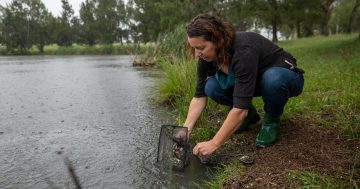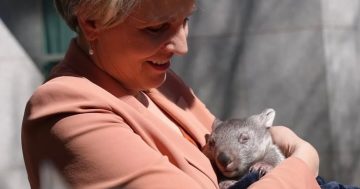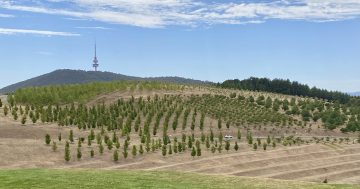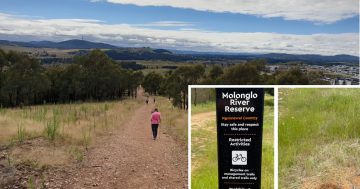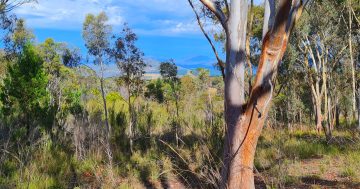

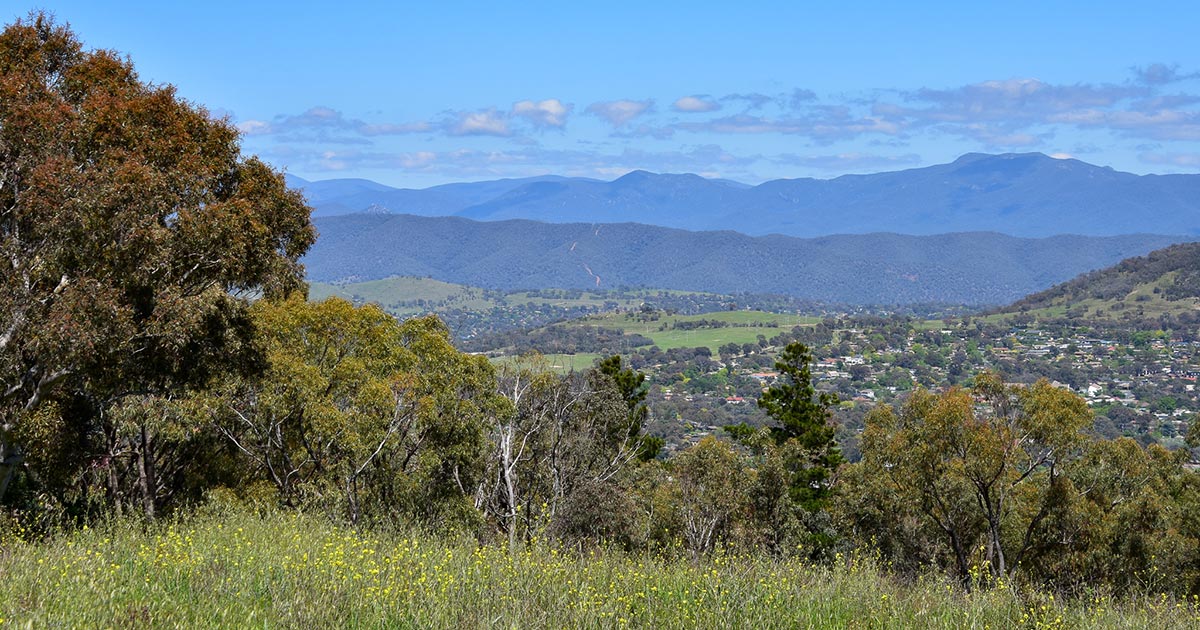
Places that aren’t nature reserves could be designated as Priority Conservation Areas under a draft strategy out for consultation. Photo: ACT Government.
Ecologically sensitive areas that aren’t nature reserves will receive protection status if the ACT Government’s Nature Conservation Strategy is passed.
Consultation has opened on the 10-year vision for Canberra’s nature conservation goals, with a focus on a “Nature Positive” future.
“Our natural environment is one of Canberra’s greatest strengths, and we must act to protect and strengthen the resilience of our environment,” Climate Change, Environment, Energy and Water Minister Suzanne Orr said.
“Healthy ecosystems are critical to a healthy city. They help cool our suburbs, protect water resources, support wildlife, and improve Canberra’s liveability for current and future generations.
“The new Strategy will support a nature-positive future, meaning the ACT’s natural values are not only protected from further loss but are actively recovering and regenerating in measurable ways.”
Consultation on the draft strategy has been underway since 2022 and was further informed by feedback on the Nature Conservation Act in mid-2024.
Central to its Nature Positive vision will be establishing an ACT Nature Conservation Network (NCN) within the ACT Landscape Plan.
“Within the NCN, we will identify Priority Conservation Areas (PCAs): places in the ACT where our key natural values will be conserved, connected, restored and safeguarded,” the draft strategy outlined.
“PCAs can encompass land and waters both within and beyond the formal protected area network, including in urban open space (UOS) and on rural leased lands. PCAs will contain critical habitats and values critical to ecosystem function, providing focus for recovery programs and financial investment.”
It’s expected the PCAs will be identified and mapped by the end of the year and be provided with legislative protection by 2029.
It’s hoped the Biodiversity Sensitive Urban Design guidelines will also be reviewed in 2026 to ensure they’re being implemented properly and support the Nature Positive goals.
The ACT Greens have welcomed the draft strategy, stating the government’s previous protections have been “piecemeal” at best.
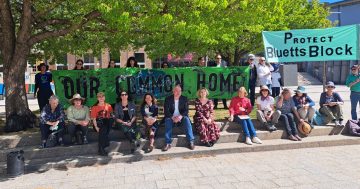
“The ACT Greens have long backed community calls to protect ecologically sensitive areas in the ACT which aren’t protected as a nature reserve – places like Bluetts Block, Coombs Peninsula and Ainslie Volcanics,” deputy leader Jo Clay said.
“Now more than ever, we need a nature and biodiversity network to ensure these key areas aren’t paved over, to keep habitat and wildlife thriving in the ACT, and keep Canberra the bush capital. It’s promising to see this mentioned in the proposed strategy launched today.
“It’s critical that the final strategy include protections for vital green spaces, wildlife movement, and connectivity corridors, naturalisation of our waterways, and keep the character of our city as we densify.”
The Conservation Council ACT Region has also expressed its relief that the Nature Conservation Network will finally be established.
“We have been advocating for years for such a network to be established,” executive director Simon Copland said.
“Beyond this network, there also seem to be other strong elements of this strategy, including implementing nature stewardship programs for landholders; developing further funding mechanisms to restore nature; completing value and threat assessments of Canberra’s nature; planning how the effectiveness of management interventions will be evaluated – this is in treating risks like biosecurity – weeds, pest and disease management; standardising monitoring and data collection to support high quality decision making; and a focus on building understanding and capacity to respond to climate risks.”
The detail missing for the council is how the strategy will be funded for implementation.
“On the face of it, the strategy looks very, very good. Now we are looking to the government for the detail and the required funding commitment from the Treasurer and Planning Minister, to enable its implementation,” Mr Copeland said.
“We do not want this strategy to end up sitting in a drawer, never to be read again. In agreeing to this document, the government must commit to seeing it through over the next decade.”
The ACT Government is seeking feedback on the draft strategy’s guiding principles, strategic targets, and the extent to which it supports community participation. Consultations are open from now until 23 March 2026.