6 May 2026

RBA hikes interest rates for the third time in a row

| By Chris Johnson
Join the conversation
16
Reserve Bank of Australia

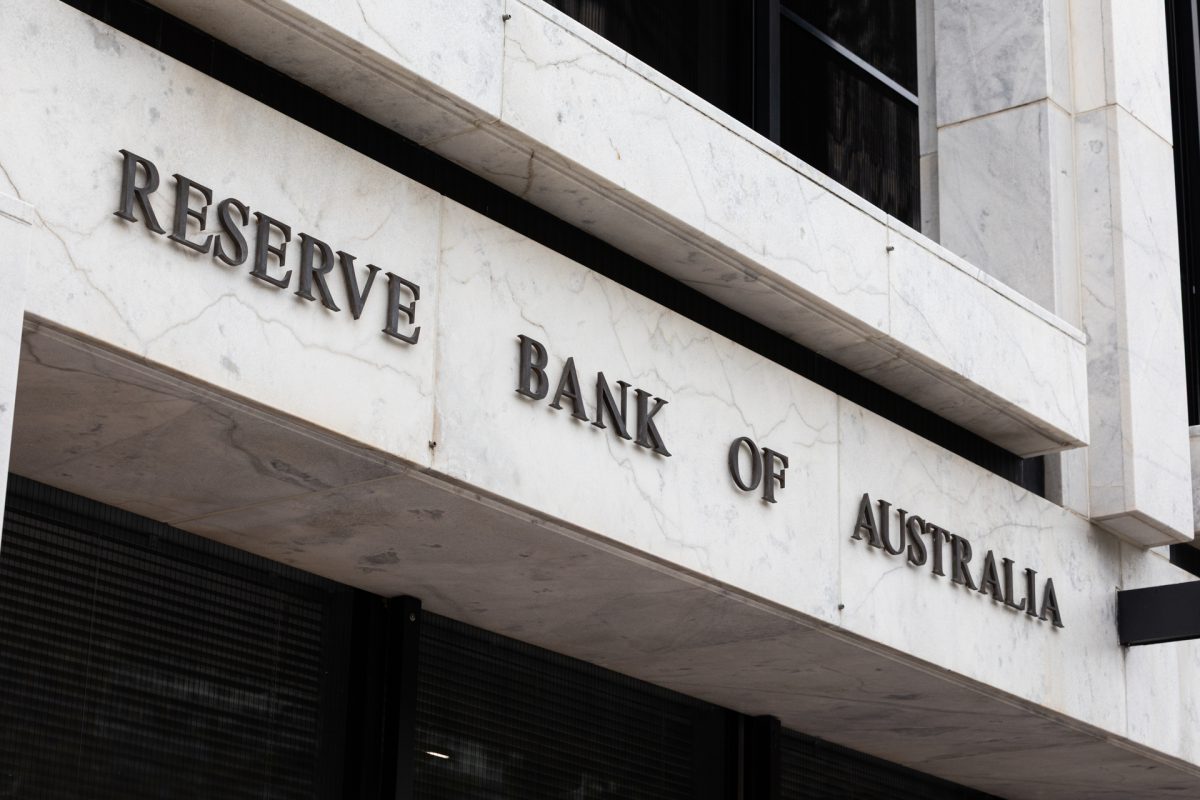
The Reserve Bank of Australia has lifted the official cash rate to 4.35 per cent. Photo: Michelle Kroll.

Official interest rates have been raised for the third consecutive month, with the Reserve Bank lifting them 25 basis points to 4.35 per cent on Tuesday (5 May).

The cash rate is now back where it was at the start of 2025, as inflation rises at its fastest pace since 2023.

The decision was made by a majority of the RBA board, with eight members voting to increase the cash rate target by 25 basis points to 4.35 per cent and one member voting to leave it unchanged at 4.10 per cent.

“As expected, developments in the Middle East are having an impact on inflation,” the RBA said in a statement.

“Higher fuel prices are adding to inflation, and there are indications that this is likely to have second-round effects on prices for goods and services more broadly.

“This inflation impulse is in addition to the high inflation recorded around the start of 2026, reflecting capacity pressures in the economy.

“In light of these considerations, the board assessed that inflation is likely to remain above target for some time and that the risks remain tilted to the upside, including to inflation expectations.

“It was therefore judged appropriate to increase the cash rate target.”

READ ALSO RBA lifts interest rate for fourth time this year

Responding to the news, Treasurer Jim Chalmers said it was clear that the Middle East war is the reason for Australia’s current inflation levels.

He said the Federal Government’s upcoming budget was not to blame.

“The RBA’s statement is clear that conflict in the Middle East is already adding to inflation,” Dr Chalmers said.

“While this decision was widely expected and widely anticipated, that doesn’t make it any easier.

“We understand that people are under pressure, which is why we’re rolling out responsible cost-of-living relief … I think that’s an important bit of perspective, as is the statement today, which does not reference public spending as a factor in the Reserve Bank’s decision to lift interest rates today.

“We intend to play a helpful role, not a harmful role, in the fight against inflation.”

Asked if he thought US President Trump was to blame for the rate rise, the Treasurer said Australians were “hostage” to the Middle East conflict.

“I think that’s self-evident from an economic point of view,” he said.

“The Australian economy is getting absolutely pummeled by this war in the Middle East, and Australians are paying the price for that.

“And we’re seeing that again today with this interest rate decision … We have an inflation challenge in our economy, which is made worse by the war in the Middle East.

“We know that some of the costs and consequences of this conflict on the other side of the world are that Australians are paying more, particularly for fuel.”

Shadow Treasurer Tim Wilson, however, said it was obvious to him that the RBA is not confident the government can get inflation under control.

He said the interest rate rise is very much Labor’s doing.

“Australian households are paying the price because of Jim Chalmers’ active inflation agenda,” Mr Wilson said.

“The RBA has made it clear today in their statement that if the Iran conflict ended tomorrow, Australia would have an inflation problem.

“Australia had an inflation problem in the second half of last year. It has continued into this year, and that’s the basis that Australians are going to pay higher interest rates.”

READ ALSO RBA warning: Iran War could trigger another interest rate jump (or not)

RBA Governor Michele Bullock also faced the media shortly after the decision was announced and suggested there might be more interest rate rises on the way, but the board won’t be rushing to raise them next month.

“In many firms that are facing cost pressures, they’re looking to increase prices of their goods and services. If left unchecked, higher costs get embedded into price and wage setting decisions,” she said.

“These second round effects could lead to even higher and persistent inflation, and if so, would require even more tightening in monetary policy to get inflation under control … The board now judges the level of the cash rate to be a bit restrictive, which will help to address the risk that inflation will be higher and more persistent once the current price shock passes through the economy.

“This gives the board space to see how the conflict plays out and the response of Australian households and businesses to the shock.”

In its statement, the RBA board said it will pay close attention to developments in the global economy and financial markets, trends in domestic demand and the outlook for inflation and the labour market.

“Having raised the cash rate three times, monetary policy is well placed to respond to developments and the board is focused on its mandate to deliver price stability and full employment,” its statement said.

“It will do what it considers necessary to achieve that outcome.”

Free Daily Digest

Want the best Canberra news delivered daily? We package the most-read Canberra stories and send them to your inbox. Sign-up now for trusted local news that will never be behind a paywall.
Loading
By submitting your email address you are agreeing to Region Group's terms and conditions and privacy policy.

Join the conversation

16
All Comments
  • All Comments
  • Website Comments
LatestOldest
Saul Goodman4:26 pm 07 May 26

blaming Labor for this scomo-era (plus usa dictator -trust fund baby from hell) inflationary mess is akin to blaming the lord mayor of Brisbane for Cyclone Alfred

Capital Retro6:26 pm 07 May 26

But the RBA isn’t blaming Scomo or the lord mayor of Brisbane for the inflationary excessive spending of the current Labor government Saul.

Incidental Tourist2:07 pm 06 May 26

Going to election in the mid of imminent recession with high inflation and interest rates, record debt and budget deficit, broken promises and increased tax is not going to be pretty. But at least they can show up the new uber-expensive rail project to Parkes ! Ironically both ACT and federal Labor’s last rail stop is Parkes before next election.

There’s something slippery about Jim… most households apply a pretty basic economic rule, spend less than you earn. It’s not complicated – which is just as well as ‘spin-it Jim’ isn’t actually an economist. We now owe a million, million dollars – and Jimmy “it’s all someone else’s fault” is still spending. Interest rates will go up again, and CGT and -ve gearing will soon be plundered… supposedly for the generation that that will be left with all our “nothing to see here’ debt (which in interest alone costs us all $109m a day). Is Jim really up to the job? Al Bonzo and Wong-again hardly set a very high bar… Cue the ‘you don’t understand’, ‘it’s all Trump’s fault’ cheer squad…

On what basis should a government spend less than it ‘earns’, and for how long? On what basis does a national government earn anything at all?

I am not saying you do not understand. I am giving you the chance to demonstrate it.

Really need to impact on suppliers and manufacturers rather than the end user. If the likes of Coles and Woolworths were so focused on gaining larger profits for their shareholders then prices could be reduced. What banks and main suppliers don’t realise that if you actually keep prices low, then your customer base will increase and larger profits can be achieved across a larger base. Keeps customers happy so they keep coming back for more, sales increase and shareholders in turn benefit from a company that has a greater following of customers and increases share prices.

Push up prices and decrease your customer base and alienate customers, sales will shrink so not overall a great model or achieving same profits from a smaller unhappy base, better to reduce costs to customers and generate greater sales across a happier customer base. CEO;s don’t want to do this as they are thinking short term profits and their bonus.

For every $1 in profit Coles or Woolworths makes, the government takes about $5 in taxes from Coles and Woolworths. This is not a defence of Coles and Woolworths.

Take TheSilver as if he made any sense and you will see that he tries to imply that the supermarkets are making net losses by tax exceeding profit. Makes you wonder how they manage to return dividends and capital gains to investors, as they do.

In their latest interim results, Coles paid $500 million tax expense on pre-tax income of $1.7 billion leaving only about $1.2 billion in profit. They keep about 20% for reinvestment and pay the other >$900million to investors in dividends.

This is not a defence of Coles and Woolworths.

Fig Jam, thanks for your keen business analysis. You think that if only the supermarkets lowered prices, they would make higher profits and the world would be a happier place.

If that were so, why are they not doing it? Especially given they would simultaneously undercut their competitors and increase market share. Their shareholders, who own the business and take the profits, would love it. And yet, it does not happen.

Maybe they are already doing their best to optimise profit, including consideration of your nostrum? They have been in business a while.

Now include GST on the rent they pay for their store fronts, payroll tax, employee income taxes, environmental levies, fuel excises taxes on trucking goods to their stores, etc, etc. Not to mention we are paying for their goods using after tax income.

Listing cost of business is pretty pointless. Equally with the tax components, list cost of goods, rent on stores, salary costs and so on. Taxes on components are paid on component costs or source suppliers. The fact your employer may remit your PAYG does not alter the fact income tax falls on your income, for example. GST on taxable goods sold is paid by the final customer. The company’s earnings before tax and tax on profit are as I stated. They are in Coles’ most recent financial statements.

What meaningful thing are you trying to say?

Precisely what I said: The government makes about $5 for every $1 in profit Coles and Woolworths makes.

The Silver,
Perhaps you could provide a breakdown with links to support such a statement then?

TheSilver did not answer my query, “What meaningful thing are you trying to say?”.

His actual reply is not a meaningful response. Literally, if you divide total taxation receipts by supermarket profits then you have a true statement that the government “makes” about $699 for every $1 in profit for Coles and Woolworths. It just has nothing to do with anything, not a meaningful relationship.

To demonstrate that TheSilver is clueless in his tendentiousness, I invite him to peruse the Annual Report for Coles and find in the financial statements “employee income taxes” (his quote) as an item. It does not exist, because Colesworth does not pay it. For example, if the government raises or decreases income tax rates then wage cost to Colesworth remains exactly as it is; they pay no more, no less. The change is take home pay for the employee. That Colesworth remit the tax to the ATO on a PAYG basis is immaterial to the fact that the tax falls on the employee, not Colesworth.

So, TheSilver, why not $699? Why not compare it with the price of fish? What are you trying to say that means anything?

Thanks government. I really needed this.

Third rise in three months, and near unanimous from the RBA board.

Surely we’ve reached the point where it’s safe to say we’re dealing with the most incompetent Treasurer in modern Australian history and the most incompetent economic managers in the Albanese government too.

The measure “worst since Whitlam” has been surpassed. All Australians are paying the price.

Daily Digest

Want the best Canberra news delivered daily? Every day we package the most popular Region Canberra stories and send them straight to your inbox. Sign-up now for trusted local news that will never be behind a paywall.

By submitting your email address you are agreeing to Region Group's terms and conditions and privacy policy.