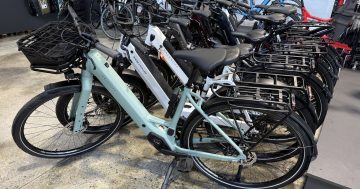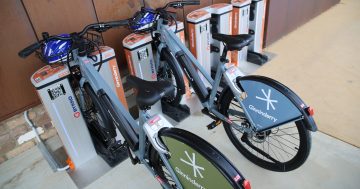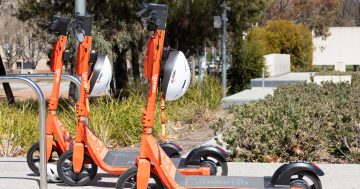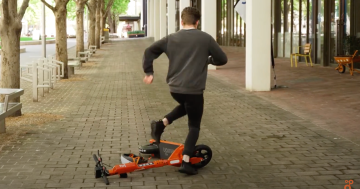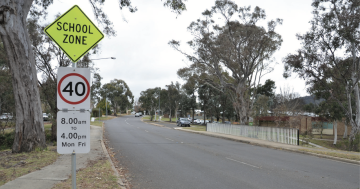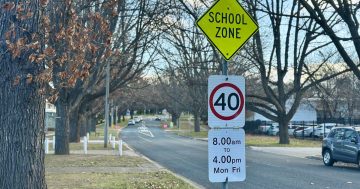

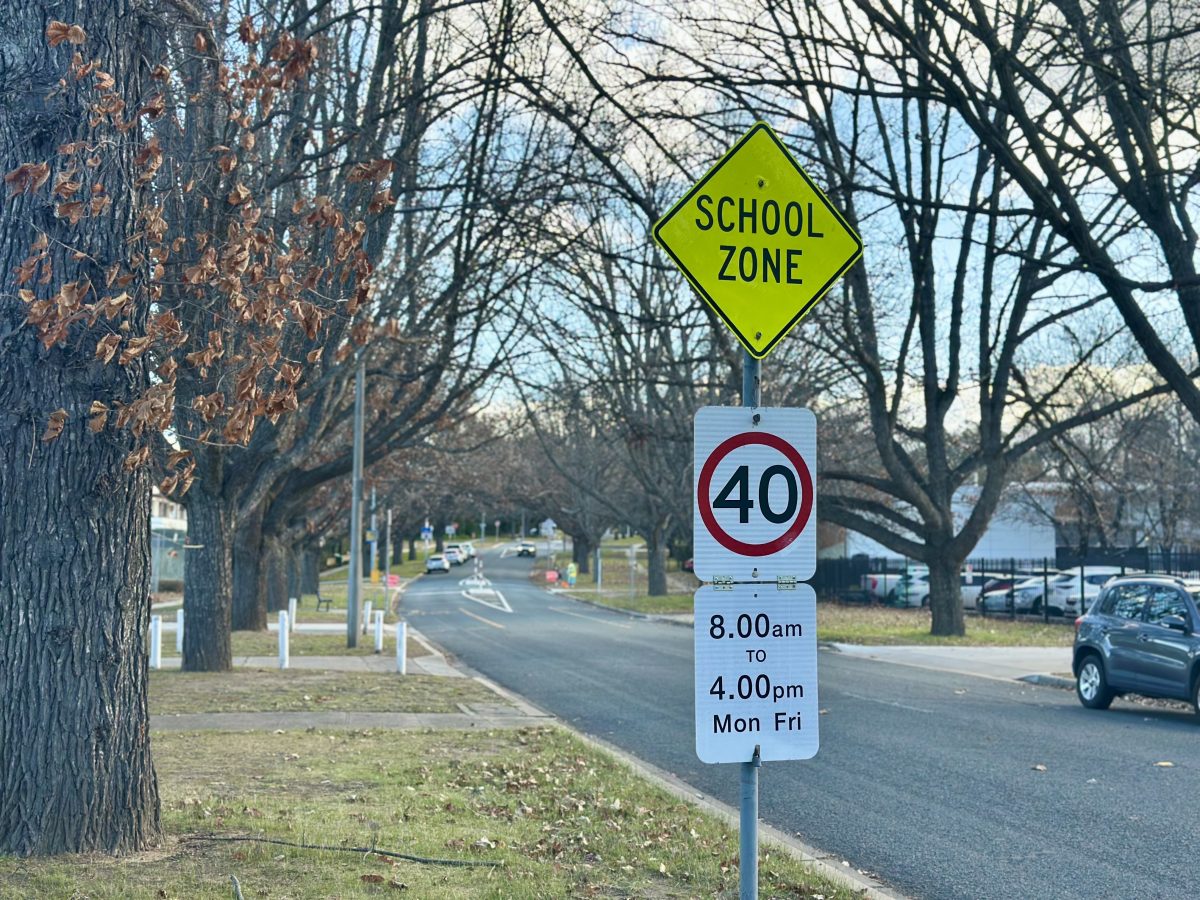
Motorists might be worried about kids on e-bikes not following the road rules, but drivers have admitted to their own bad behaviour in school zones. Photo: James Coleman.
As kids gear up for the first bell, a new survey has revealed a growing anxiety on the road: drivers are nervous about sharing school zones with e-bike-riding students.
Insurer AAMI research has found more than half of Australian drivers believe children shouldn’t use e-bikes or e-scooters for the school commute, and 39 per cent believe electric-powered devices shouldn’t be allowed in school zones at all.
More than half of the respondents were concerned about children’s lack of road rule knowledge, while 40 per cent were worried drivers wouldn’t see kids on e-devices.
AAMI Motor claims manager Leah James said this highlighted the need to improve awareness of safety and legal requirements, particularly among parents, as the use of electric-powered bikes and scooters became more common among young people.
“As e-bikes and e-scooters become more accessible, children are increasingly using them to get to and from school, but the community clearly has significant safety concerns,” she said.
“These high-powered devices can weigh as much as motorbikes, and if you’re involved in a collision with one, especially as a pedestrian, you can be left with catastrophic and lifelong injuries.”
Australian Road Safety Foundation founder and chair Russell White expressed concern about such vehicles being used during the commute to and from school.
“School zones are busy enough without adding turbocharged kids into the mix,” he said.
“Not only could they potentially injure themselves, but they could also injure another child or pedestrian.”
But it’s not just the behaviour of riders that needs to be examined.
The AAMI research also found that 1 in 10 drivers admitted to being involved in an accident or near-miss in or around a school zone.
One in five said they had sped through a school zone because they didn’t notice the signs, and almost 1 in 10 had intentionally gone over the speed limit because they didn’t see children around.
Thirteen per cent of drivers admitted being distracted by their phone either while driving through a school zone or queuing in a school ‘Stop, Drop and Go’ zone (also called ‘Kiss Zones’).
“Drivers are confused, distracted and don’t always follow road rules. When you add fast-moving devices – like e-bikes and e-scooters, driven by kids with limited road safety experience – you’ve got a recipe for chaos,” Ms James said.
“We want families, schools and drivers to understand the risks, know the rules, and have the right conversations to keep children safe on the roads to and from school this year.”
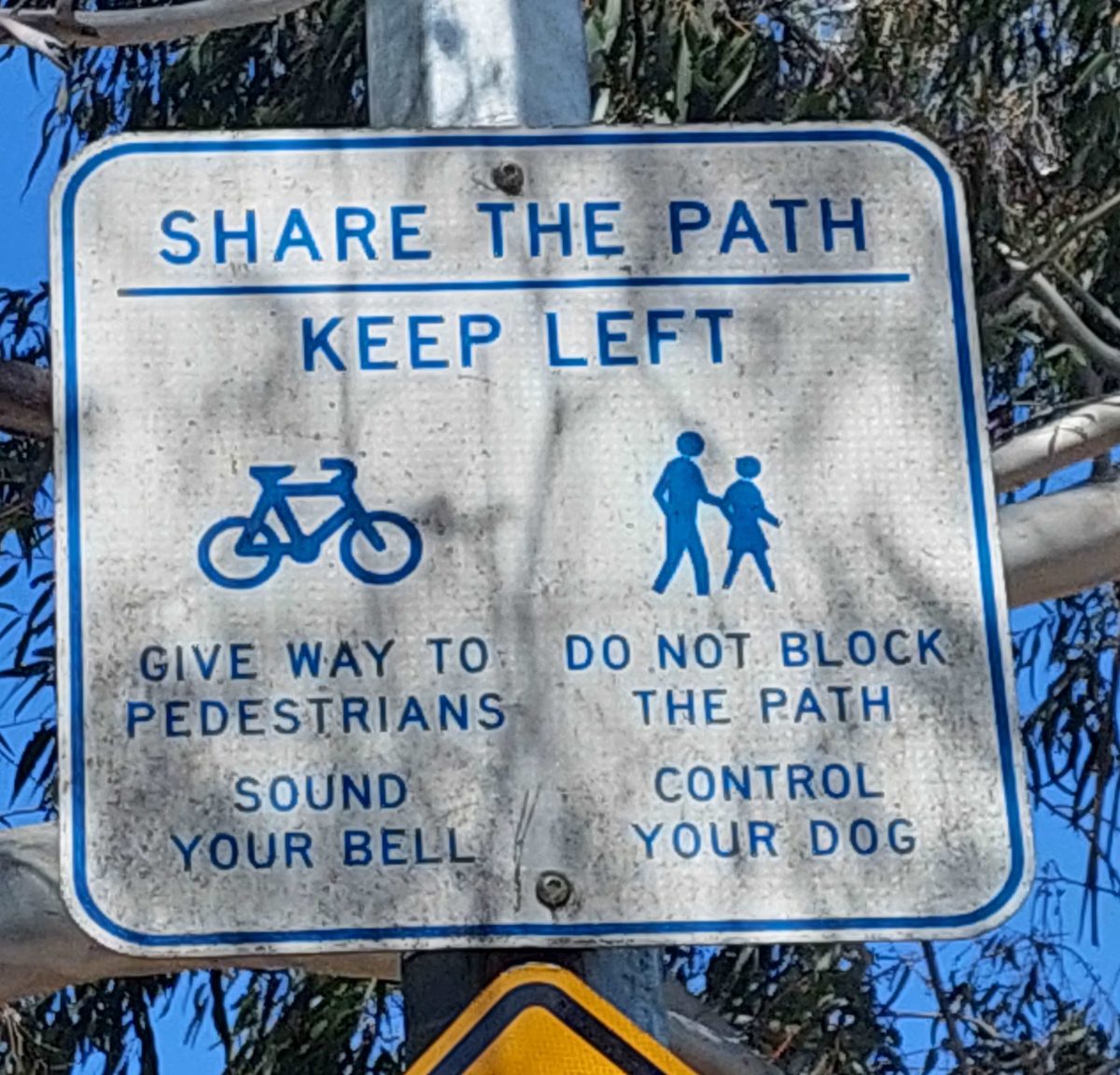
An example of low-speed design in Canberra includes a shared path sign outlining the clear behavioural rules for riders and pedestrians. Photo: Supplied.
Active transport advocacy group Pedal Power ACT has stated that improving safety around schools is best achieved through good street design and traffic calming rather than blanket bans on particular transport modes.
Examples of effective low-speed design in Canberra already include narrow lanes, wombat crossings, speed humps, reduced sight lines, and structures that force all road users to slow down.
Pedal Power ACT executive director Cecily Michaels said that as cycling, e-bikes and other light transport options became even more common, motorists would need to keep adapting.
“School zones are safest when the street itself slows everyone down,” she said.
“Calm the traffic and you calm the risk, for drivers, riders and kids alike.”
Some schools in Queensland, Victoria and Western Australia have banned e-bikes and e-scooters on school grounds from the start of this year.
The ACT is not considering a ban on e-bikes in any school zones.
A government spokesperson described compliant e-bikes as a “valuable, legitimate form of transport” and that there was an expectation that all road and path users would slow down and be careful around schools.
“People driving can expect to see an increase in e-bike users generally,” they said.
“Riders should try to be visible, be aware of their surroundings and behave predictably. Drivers need to be alert, make space and adjust speeds around vulnerable road users as the consequence of a crash is potentially catastrophic for someone riding compared to someone driving.”
E-scooters are allowed in school zones, provided riders follow the relevant road rules.
The spokesperson said some schools had requested geofences for shared devices near their schools “to create slow or no-ride/park zones where there is an identified issue”.
The growing popularity of e-powered devices is on the ACT Government’s radar when planning travel infrastructure.
“The Active Travel Plan (and intersection design guide) identify the emergence of e-mobility as adding more traffic and conflict to the path environment, due to the different speeds,” the spokesperson said.
“Depending on the volumes and other contextual factors, it may be necessary to separate cycling and e-mobility traffic from foot traffic, particularly in busy areas like town centres.”