
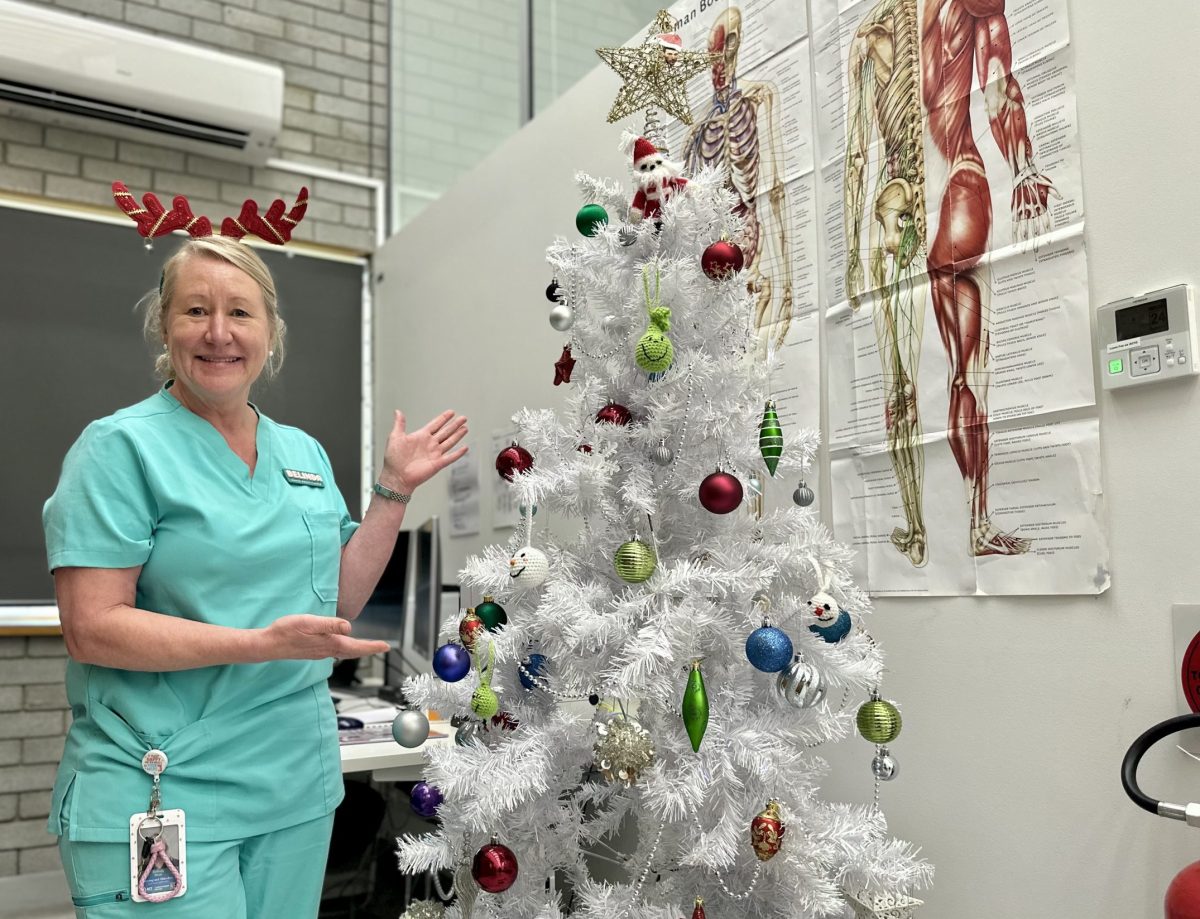
Nurse Practitioner Belinda Skuja at the Dickson Walk-in-Centre. Photo: James Coleman.
Nurse practitioner Belinda Skuja is smoking more than three kilograms of salmon this Christmas – nearly $200 worth – but it’s not for a family lunch at home.
It’s for her colleagues at the Dickson Walk-In Centre.
“We’ll be bringing in something multicultural because we have a multicultural workforce,” she says. “We’ll all bring something in from our heritage to share.”
Ms Skuja has worked close to 20 Christmas Days across a nursing career that began in 1990, even if she “had to” at first as a fresh graduate.
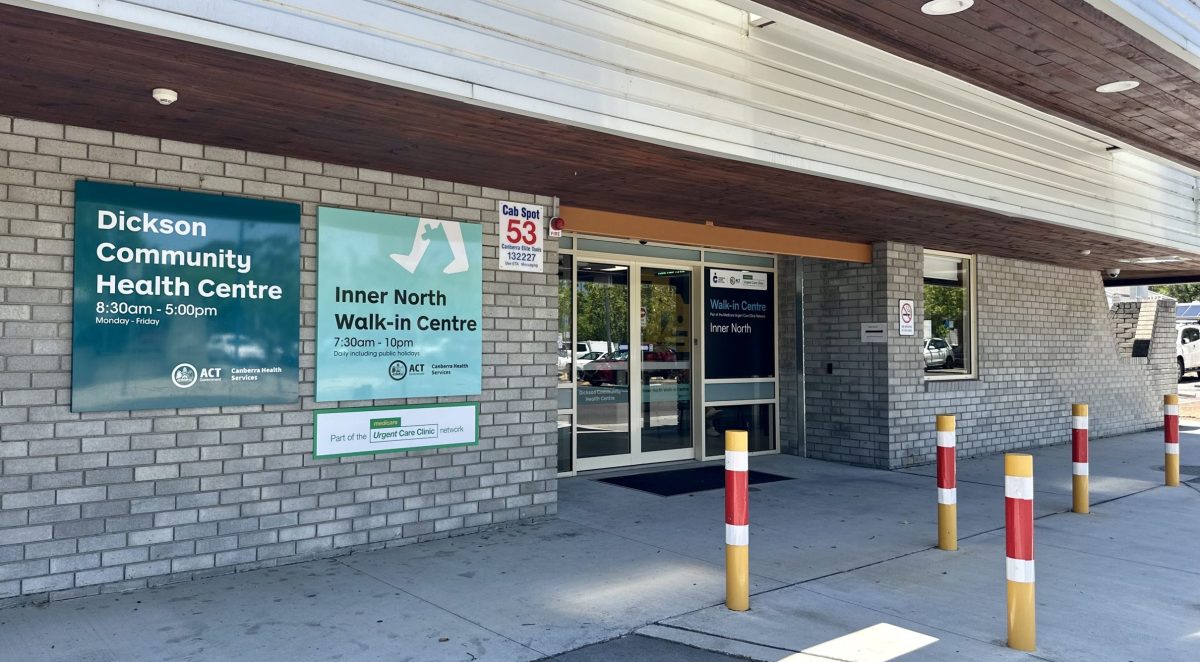
Canberra’s walk-in centres are open 7:30 am to 10 pm every day – including Christmas Day. Photo: James Coleman.
But apart from pausing for a grand lunch, the day will look like any other – patching up cuts, suturing fingers and keeping people out of emergency departments.
Well, minus a few festive scrubs, extra chocolates on the bench and a predictable spike in injuries tied to new toys, sharp knives and overconfident adults.
“What you’ll hear on Christmas Day is, ‘I don’t want to go to ED – we’ll do everything to avoid it’,” she says.
“There’s a lot of brand-new toy Christmas stuff that happens. Carving the ham and you carve the finger. Or granddad’s fallen asleep, they’ve overeaten, they’ve probably got indigestion – but we can’t assume that. So we send those ones up to the hospital.”
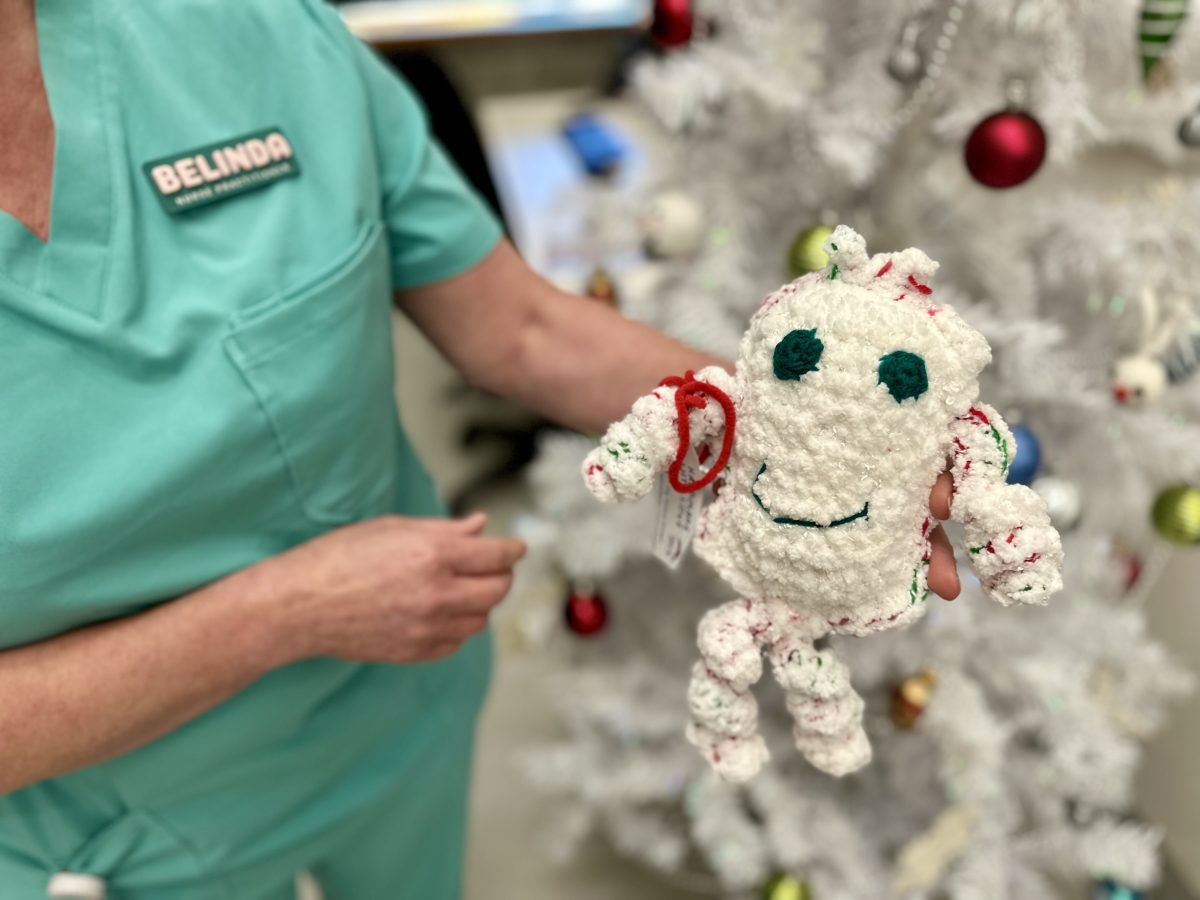
Staff at the Dickson Walk-in-Centre are giving out knitted donations from local group Good Omen Goodeze. Photo: James Coleman.
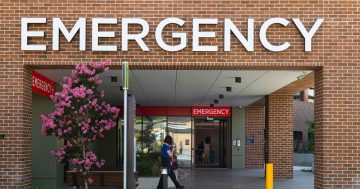
But is Christmas Day at the Emergency Department as chaotic as the rumours suggest? Not always, according to clinical director of emergency Dr Michael Hall from the North Canberra Hospital.
“I would reassure the public that Christmas Day isn’t necessarily busier for us than other shifts,” he says.
“But if you are really unwell or concerned, you shouldn’t delay care.”
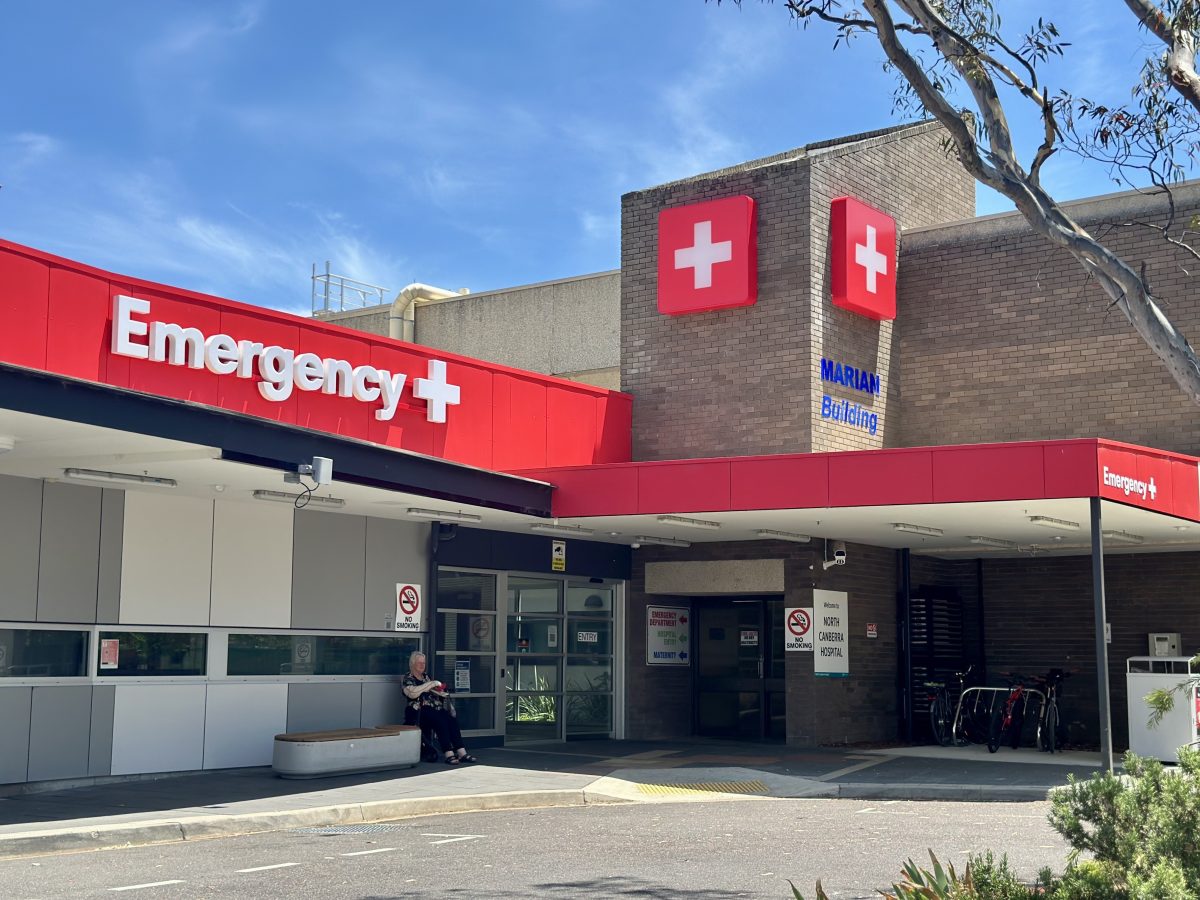
EDs can be quiet or busy on Christmas Day – there’s no way of knowing. Photo: James Coleman.
Dr Hall has worked nine of the past 10 Christmases, often volunteering for the shift.
“There are lots of alternatives to healthcare a lot of the time,” he says.
“But at Christmas Day there isn’t and we are there to be one of those main alternatives for people.”
The cases presenting to emergency departments follow a familiar pattern: coughs, colds, fevers, infections and medication issues in older patients, alongside a steady stream of minor injuries.
“Someone popping a Christmas cracker and getting something in their eye, plastic toys with sharp edges, scooters, roller skates, trampolines,” Dr Hall says.
“Scooters and trampolines probably keep both ourselves and the orthopaedic surgeons in business.”
Despite common assumptions, Dr Hall says Christmas Day itself isn’t peak time for food poisoning (that’s reserved for the leftovers on Boxing Day).
“People love to think the vomiting is from the chicken,” he says.
“It’s much more common that it’s from the virus that was being passed around.”
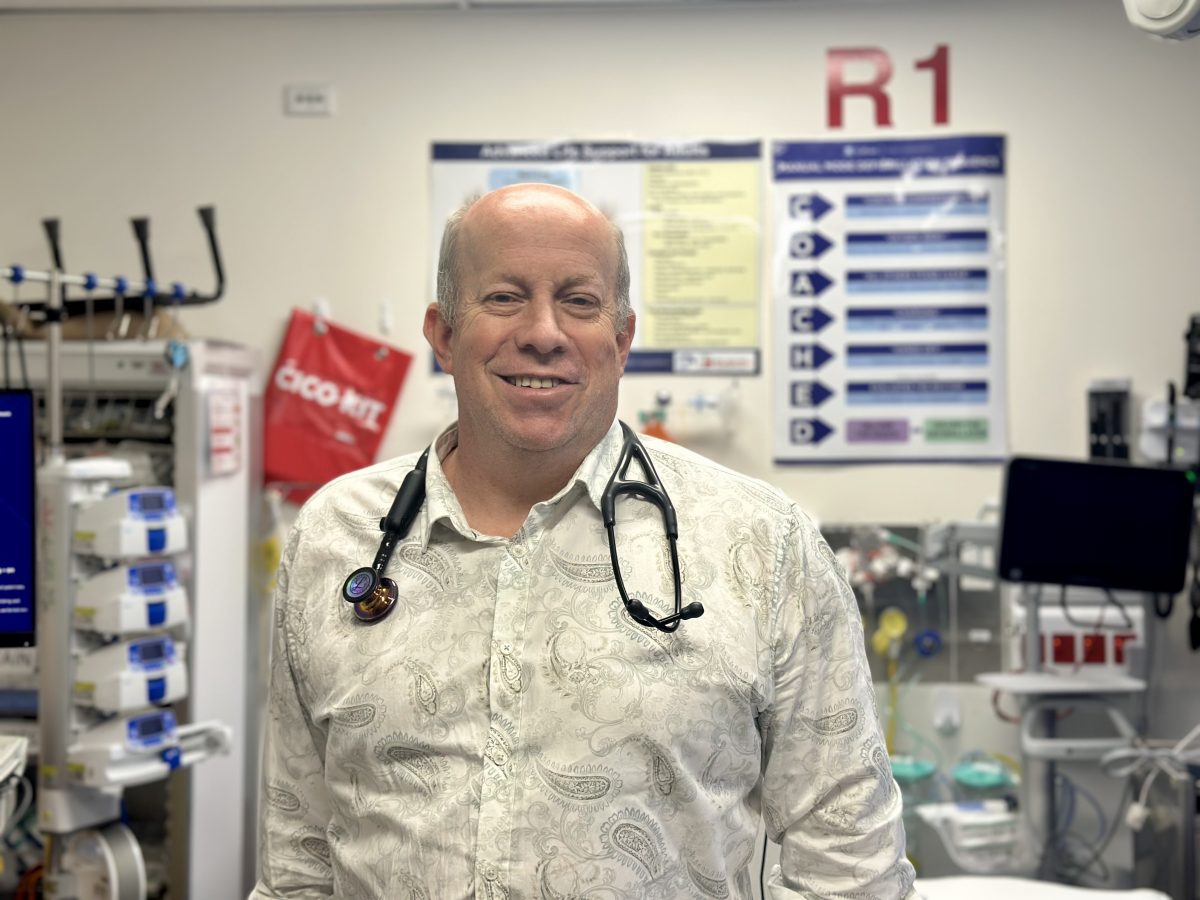
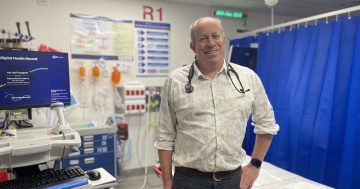
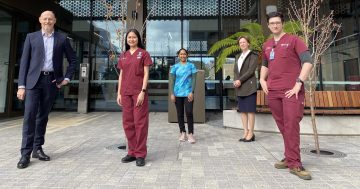
Dr Michael Hall is a clinical director at the North Canberra Hospital’s Emergency Department. Photo: James Coleman.
One area where Christmas Day is noticeably different is in the number of mental health-related presentations.
“We like to make Christmas seem joyous, but it’s not joyous for everyone,” Dr Hall says.
“We do see people who are sad or depressed and we will sometimes see suicide attempts, which is really sad.
“But we want people to know we still have our usual mental health support. If you’re having a terrible day and can’t cope, we want you to come and see us.”

Babies born around Christmas time are given their own reindeer sticker on one of the windows in the birthing ward. Photo: James Coleman.
Across the city at the Centenary Hospital for Women and Children in Garran, midwife Tanya O’Conner says Christmas Day is quieter – by design.
“We definitely don’t have C-sections booked on Christmas Day,” she says. “It would be emergencies only.”
Fewer babies are born on 25 December, she says, largely because women don’t choose to induce labour on the day.
“Women don’t take castor oil, or get on a bumpy road, or do whatever they’ve got to do to bring the baby on, because they want to hold off until after Christmas.”
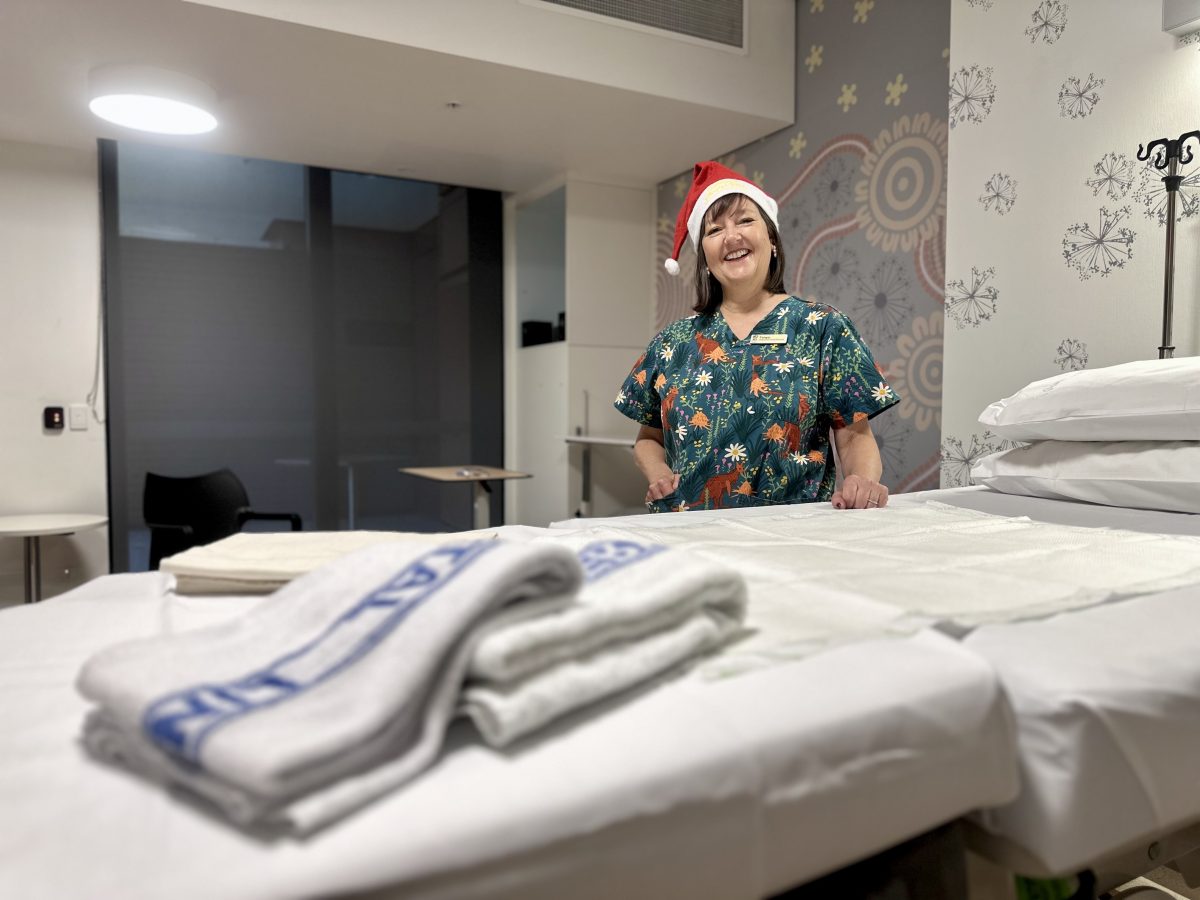
Centenary Hospital for Women and Children midwife Tanya O’Conner. Photo: James Coleman.
The Maternity Assessment Unit is still open for any concerns mothers might have and midwives are still driving around Canberra for home visits. Even if staff are a little more “tinselly” then usual.
“We’ll dress up, definitely wear the elf hats or the reindeer antler headbands and more tinselly sort of things,” Ms O’Conner says.
“It’s an intense environment at times. But our team is amazing.”
Canberra’s walk-in centres in Tuggeranong, Weston Creek, Dickson, Belconnen and Gungahlin, are open every day from 7:30 am to 10 pm. The emergency departments at the Canberra Hospital in Garran and the North Canberra Hospital in Bruce are open 24/7.