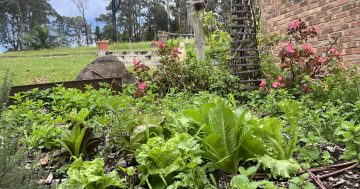
Autumn is a great time to plant lettuce. Photo: Wynlen House.
There may be a chill in the morning air but warm, sunny April afternoons are the perfect time for planting a vegetable garden in the backyard.
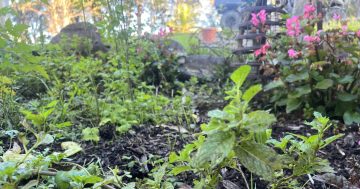
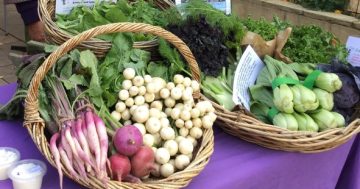
After weeding and refreshing one of our larger beds with lots of compost, fertiliser and minerals, we recently got down to planting a healthy collection of seedlings purchased at the market.
Perfect for autumn planting are radicchio and lettuce. Cos and romaine varieties are good winter growers while oak leafs and butter lettuces planted now should do well too as a mid-autumn planting will let them get ahead of the colder winter weather.
Other suitable plantings for mid-autumn include members of the brassica family such as cabbage, broccoli and cauliflower as well as a number of Asian greens, such as mibuna, mizuna, mustard greens and any of the choys. The exception is Asian cabbage (wombok) which does not tolerate the cold or frost very well during its heading phase.
Planting leeks now will give you delicious alliums for winter when it’s too cold for onions to bulb. English spinach planted now and over the next month will do well, but remember all the soft leafed greens benefit from frost protection.
Plant beetroot seedlings and silverbeet seeds this month, as it will be too cold by next month to get a crop started.
Kale is a wonderful addition to the vegetable garden even if it’s not your favourite. Kale is pretty drought tolerant and very hardy in cold or variable weather. Also known as a superfood because of its detoxifying enzymes, kale is easy to grow and loves lots of nitrogen rich fertiliser. Kale is an easy way to add leafy greens to a casserole or soup during the winter months.
There are lots of preparation and cooking tricks to help disguise the grassy, bitter flavour and the fibrous character of the leaf for those picky eaters in the family. Always remove the stems and chop finely: saute with garlic and soy sauce, or cook it down with bacon, creamy sauces, or in strong broths until it becomes very tender.
You can finely chop kale and massage it with your hands before cooking which will soften the fibres. Drizzle with maple syrup or balsamic for something a little different.

A crop of chervil ready to harvest. Sprinkle it over steamed vegetables for extra flavour. Photo: Wynlen House.
There are some terrific autumn herbs to plant now including coriander, dill and chervil. Chervil, called French parsley, is easy to grow and a delicious supplement to parsley. It’s got a very subtle liquorice flavour. It is often used with egg dishes, chicken, fish and potatoes. A dish of steamed vegetables can be sprinkled with finely chopped chervil for extra flavour.
Given that we have had a dry end to summer and the first month of autumn, it is unfortunate that April is generally a very dry month in most of our cool climate region. BoM suggests that rain is likely to continue to be below average this autumn, accompanied by warmer overall day and night temperatures as has been the case for the past few years.
This drier season is likely to be have sudden short periods of very cold weather so we need to be prepared for that. The first frost often occurs in April, so now is the time to have frost mitigation methods ready to install.
There are a number of frost mitigation fabrics now available online or from large nurseries and other retail outlets. They need to be secured with cloche frames or similar structures. These will protect plants from harsh frosts and enable vegetables to continue to grow through very cold weather periods.

Be ahead of the game and get your frost protection in place. Photo: Wynlen House.
With the frost arriving later this month you can pull up tomato plants and hang them in a sunny protected spot to try and ripen the remaining fruit, or you can just make lots of green tomato pickle and chutney and have green dried tomatoes as a side dish.
We don’t like to waste any vegetables we grow ourselves because it also means wasting our hard work and vigilant effort. So preserving vegetables also preserves your hard work and gives you tasty and nutritious condiments all year.
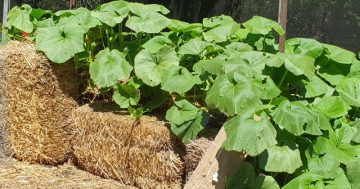
Don’t forget your pumpkins! Bring them in before the first frost. They will continue to ripen if you can keep them in a warm sunny spot (under glass or plastic is best), then move them somewhere cool for storage.
The first frost will knock out the last of your summer vegetables such as your green beans and so keep a watch on the weather report and when the frost is predicted harvest everything remaining.

This pumpkin is almost ready to harvest. Photo: Wynlen House.
Last plantings to pay attention to this month are broad beans and garlic. These two long-growing “once a year” crops are best planted in April and will occupy garden beds well into spring.
Broad bean beds can be prepared with lots of compost, lime and good quality pellet fertiliser. Consider planting a row of oat seeds between rows of your bean seeds as a bio fumigant (particularly effective against chocolate spot). It also has the added benefit of providing some supportive structure for the broad bean plants as they grow which is important in windy weather over late winter and early spring.
Varieties of turban and artichoke groups of garlic are very well suited to our region. The artichoke group garlic varieties are the workhorse of the Australian garlic industry; they are hardy and adaptable with a sharp, strong flavour. Turbans are a very popular home garden variety and grown throughout the Canberra region. All garlic benefits from crop rotation so try not to plant in the same place as last year.
When preparing to plant garlic, Leticia Ware of Tasmanian Gourmet Garlic recommends:
- A 5 cm layer of aged broken up natural cow, sheep or alpaca manures
- A 2 mm dusting of blood and bone (with boosted potassium) and same amount of gypsum and of a good quality complete pelleted fertiliser
- A 1 mm layer of potash, sulphate of potash or organic potassium sulphate.
Fork this into your bed, smooth it out and remove any clumps or sods, then plant the cloves, pointy side up, just below the soil surface. Water in with a quality seaweed based liquid fertiliser and cover with pea straw or a similar mulch.