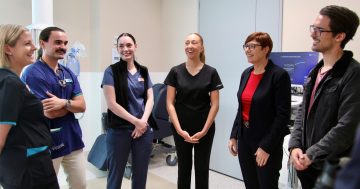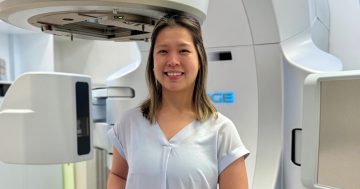

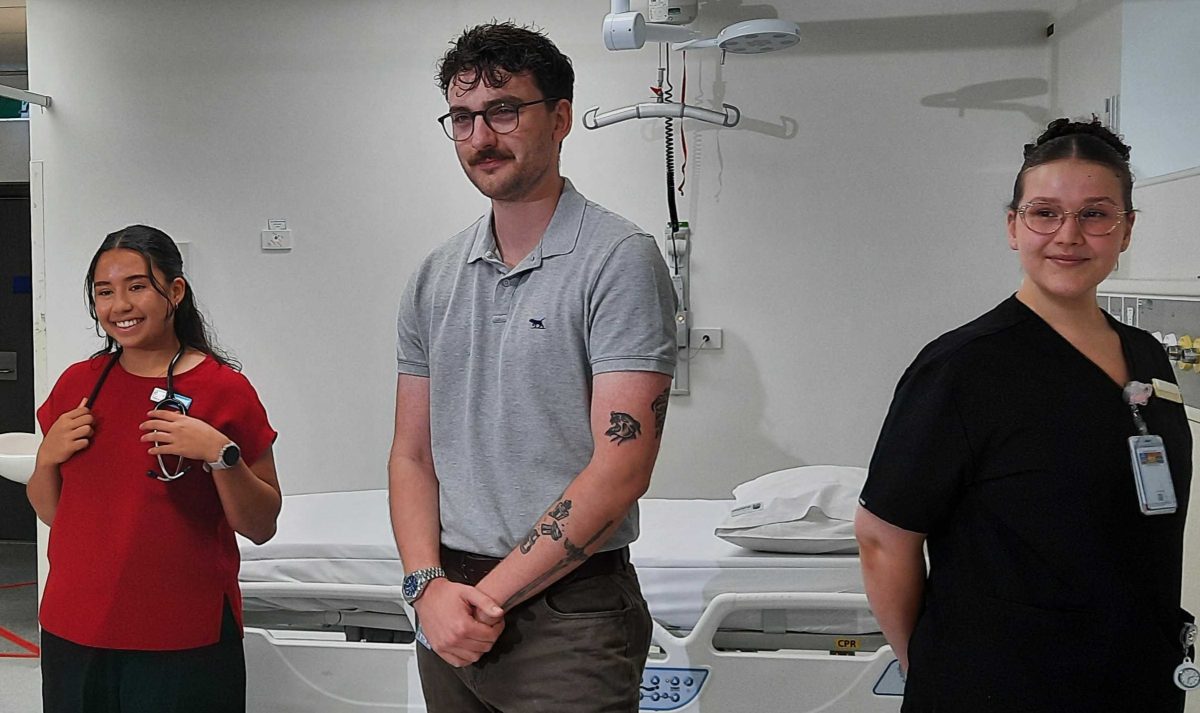
Medical intern Olivia Taifalos, social worker Nate Thompson and nurse Isabella Turns. Photos: Ian Bushnell.
Canberra’s size, location and lifestyle appear to be paying dividends for the ACT’s health services when it comes to recruiting staff.
Sometimes seen as a turn-off, these attributes may be exactly what the doctor ordered for Canberra Health Services in its ongoing quest to recruit and retain staff.
CHS has just welcomed 339 new graduates to its staff, including 195 nurses, 28 midwives, 94 junior medical interns and 22 allied health graduates.
A further 133 nurses and midwives will join them in the second half of the year.
This is fewer than last year, when CHS accepted 560 graduates, but there are four more interns.
The ACT Government has struggled to contain health costs, but Health Minister Rachel Stephen-Smith said the new National Health Reform Agreement would give CHS more certainty in its planning for the next five years.
For medical intern Olivia Taifalos, Canberra seemed the ideal place to launch a career that would lead to rural practice, where there is a dire shortage of doctors.
She is one of the 63 per cent of ANU graduates, up 10 per cent on 2025, who chose to stay in Canberra for her internship.
Originally from Cairns, she won a scholarship to ANU and now feels right at home in the bush capital, which she says has the feel of a big country town.
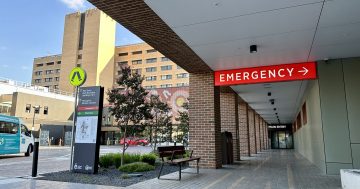
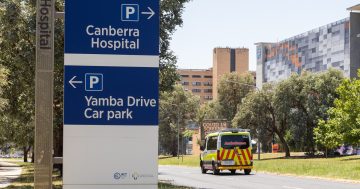
Canberra Hospital may be a tertiary hospital, but it is smaller than metropolitan ones and serves a region, and that has advantages.
“As much as it’s a bigger tertiary hospital, it sometimes has the feeling of being sort of a smaller hospital and a health service where you feel maybe a little bit more valued, less of a number,” Olivia said.
She has also enjoyed placements in Goulburn and on the South Coast in the Eurobodalla region, including general practice, so it’s a great training opportunity and a chance to serve and be part of the community.
The establishment of rural generalism as a new specialty in Australia also offers the likes of Olivia an attractive career path.
“I can do the general practice side of things, but also specialise in any other specialty I’d like to,” Olivia said.
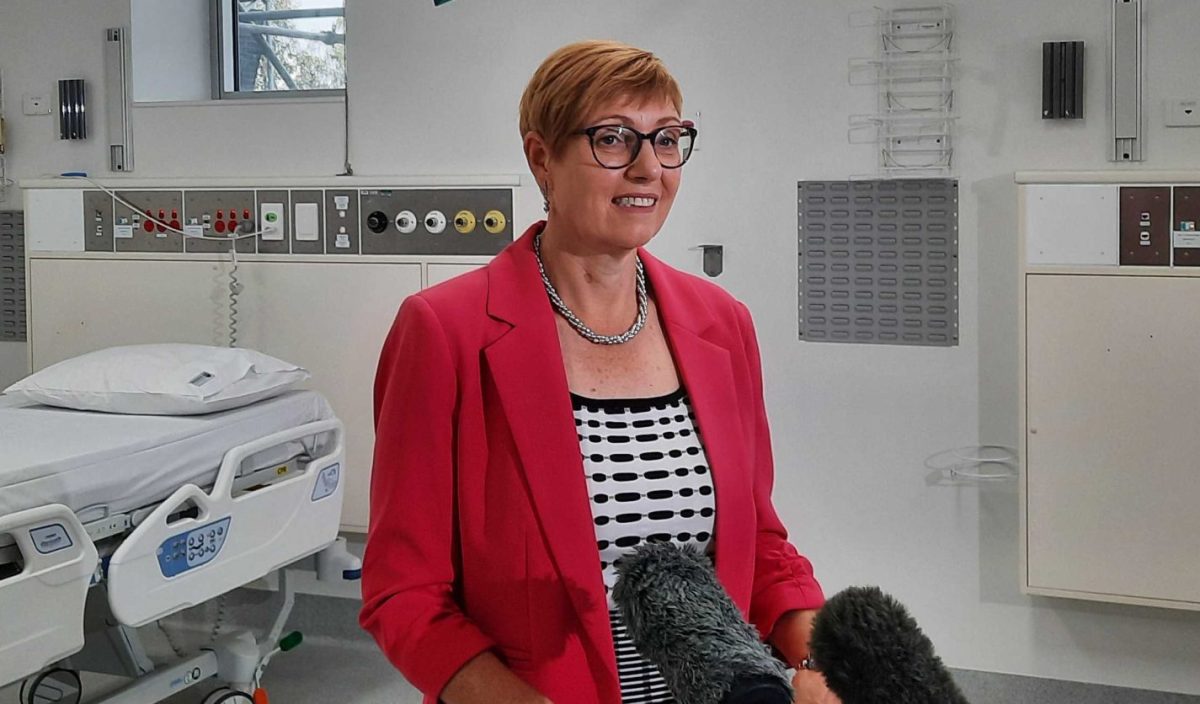
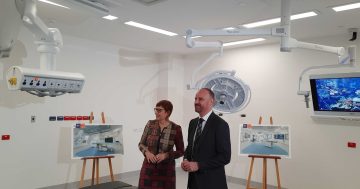
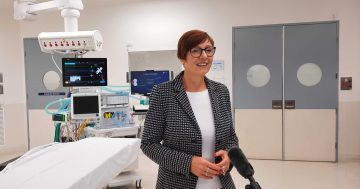
Health Minister Rachel Stephen-Smith at TCH. Photo: Ian Bushnell.
Nurse Isabella Turns is also from North Queensland, the small mining town of Moranbah, and wants to make Canberra a long-term move.
As a child, she was in and out of the rural hospital system with broken bones, so nursing is a way of giving back to the community.
“The care I received as a kid in the hospital system, especially in a rural place where we didn’t have many staff, was amazing,” said Isabella, who trained at Central Queensland University.
She said reading about CHS’s 12-month graduate program offering made applying an easy decision, especially with some family members already in Canberra.
“The values, the role, the vision for TCH was something I really aligned with,” she said.
Her first six-month placement is in her preferred area of pediatrics.
“My other six months I’m unsure of at the moment, but it’ll be great exposure to learn all the different areas and the clinical skills for all these different ages and ranges, but hopefully to stay at TCH is going to be a long-term goal for me,” she said.
University of Canberra Hospital mental health social worker Nate Thompson is from Canberra and has no intentions of leaving the city he loves.
Inspired by his social worker mother to join the profession, Nate said that studying here in Canberra helped him build many professional and personal connections.
“Joining the Canberra Health Service’s new graduate program is a really excellent opportunity to stay linked in with those support services,” he said.
Nate said mental health had become increasingly important area and the experience of his first placement at UC Hospital had been one reason why he is back there now on the same ward.
“The team were really warm, really welcoming, and the way the role of a social worker there operates, it’s a bit longer term than most hospital admissions,” he said.
“We’re looking at about a month as a minimum for the inpatient stays, which means that I really get that opportunity to sit down with my patients and build those connections and really work to understand who they are, not as a caseload, but as individual people,” he said.
All three praised the supports in place to maintain their own health and safety, which CHS has prioritised in the wake of damaging reports highlighting a poor culture and high levels of bullying and harassment in Canberra’s public hospitals.
“Being a junior doctor is a notoriously difficult job, and I’m only three weeks in, so I can’t say that I’m going to be fine all year, but I do think our training team here in Canberra has been fantastic so far,” Olivia said.
“They’re very supportive. We’re one of the only training places in Australia that has a clinical psychologist on our team.
“They’re trying to give us a lot of strategies for speaking up, allowing us a voice as a junior doctor and as part of the team.”
Olivia also paid tribute to junior doctors before her who had won key concessions on rostering, overtime payment and accrued days off in lieu.
Ms Stephen-Smith said the graduates would gain exposure to a broad range of specialties and work rotations across Canberra Hospital, North Canberra Hospital, the University of Canberra Hospital, mental health, justice health, outpatient clinics, community health centres, and rural NSW.
“We know from experience that once our graduates get a taste of working in CHS and living in our wonderful city, many will choose to stay and build their career here,” she said
Ms Stephen-Smith said CHS continued to achieve strong medical intern retention, with 85 per cent of the 2025 workforce remaining in the ACT to complete their Resident Medical Officer year.
“It’s a real reflection of the work that we’ve done to support junior medical officers and the positive changes we’ve seen through medical training surveys,” she said.
“That includes the investment of $8.5 million in supporting our junior medical officers through both professional development and support around the education and training, but also supporting the psychosocial wellbeing of our junior doctors.”
Ms Stephen-Smith said CHS continued to have staffing shortfalls in specialty areas such as midwifery and was recruiting across Australia and overseas to fill those gaps.