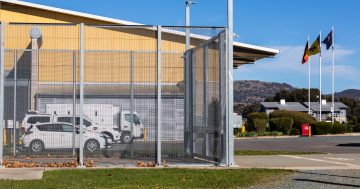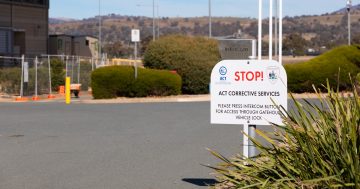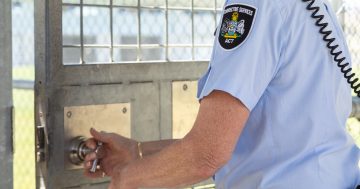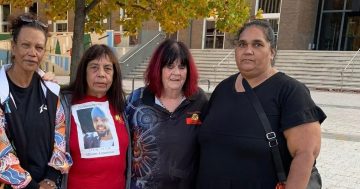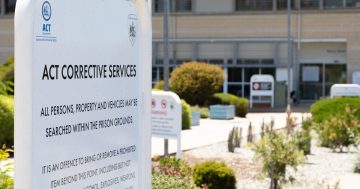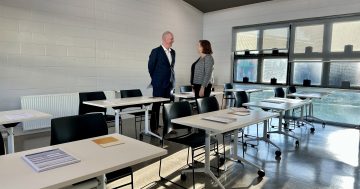

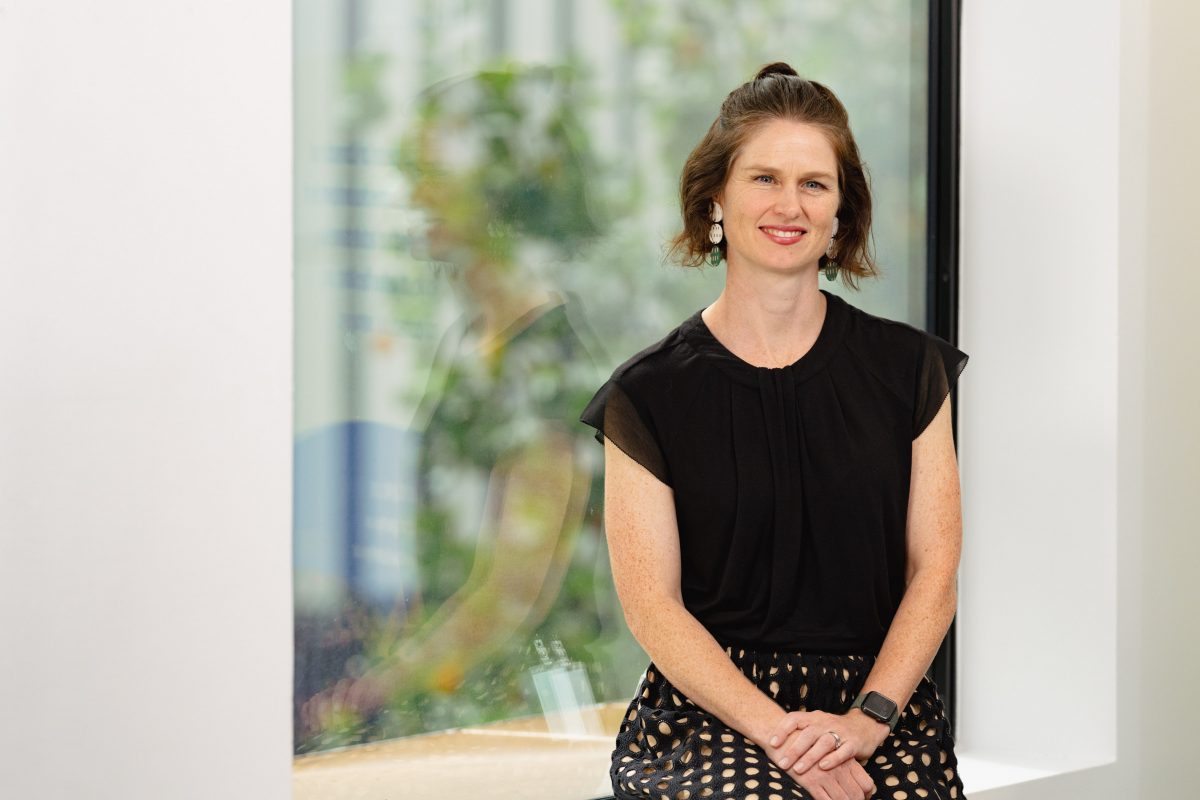
Inspector of Correctional Services Rebecca Minty is urging the government to introduce more activities in Canberra’s jail. Photo: Liv Cameron.
A new review has found the lack of meaningful activities for detainees at Canberra’s jail is a barrier to their rehabilitation, and that First Nations people are likely to face a harsher experience behind bars.
Earlier this week, the ACT’s independent Custodial Inspector, Rebecca Minty, released the third Healthy Prison Review of the Alexander Machonochie Centre (AMC), in which she warned that the continued lack of a structured day for detained people remained a major concern.
“Our review found that the absence of a structured day within the prison is a significant barrier to achieving its core objective of rehabilitation and reintegration,” she said.
“Without sufficient purposeful activity, opportunities for skill development, education and positive engagement are limited.
“Purposeful activity in jail is not a luxury. It is fundamental to preparing individuals for successful reintegration into the community, which in turn improves community safety.”
A summary of the new review says that by the time of the last review in 2022, there had been no education provided in the jail for more than a year. Several programs were now on offer, but they were not fully meeting needs.
Also, while the AMC has a bakery, kitchen and laundry, the ACT is also the only jurisdiction in Australia without a commercial prison industry.
The summary noted how the lack of purposeful activity contributed to drug-seeking behaviour, and while hepatitis C rates have drastically reduced in the community, reinfection is occurring in prison through shared dirty needles.
This new review found First Nations peoples were not just overrepresented in the prison population, but were also overrepresented in higher security classifications, strip searches (for women), segregation and separate confinement orders.
“The findings of the review indicate experiences in custody for Aboriginal and Torres Strait Islander people in custody are generally harsher,” Ms Minty said.
Winnunga Nimmityjah Aboriginal Health and Community Services CEO Julie Tongs was not surprised that Ms Minty made this finding.
“It’s gotten worse, if anything,” she said.
“There’s no care, no responsibility, no accountability.”
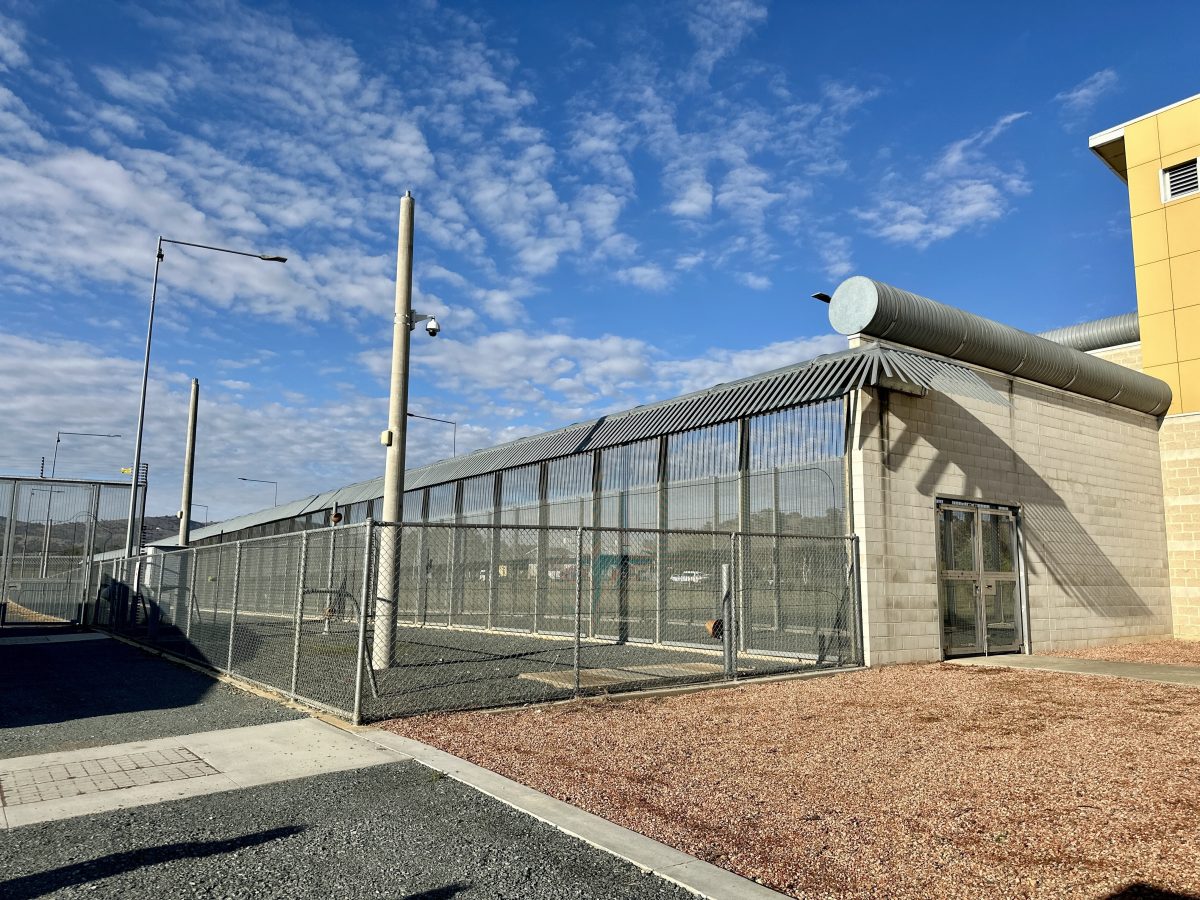
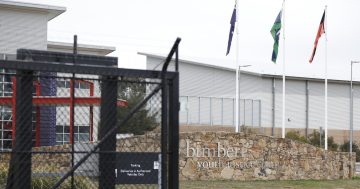
The third Healthy Prison Review into the Alexander Maconochie Centre made 30 recommendations and 60 findings. Photo: James Coleman.
The new review made 30 recommendations and 60 findings. These included introducing TAFE-equivalent education and expanding prison industries to promote rehabilitation opportunities.
The review summary did say the presence of Winnunga directly delivering health services in the jail was positive, but more culturally appropriate supports were needed.
The custodial inspector noted that, of 40 recommendations made in the last review, which the ACT Government responded to in 2023, only 23 per cent were considered fully implemented.
Ms Tongs said as most detainees in the AMC had addictions or mental health struggles, the community needed to build more rehabilitation centres and work with detainees to address these issues.
She also said the government needed to start taking action on the reviews and reports on the justice system.
“At the end of the day, the problem is they just do another review and nothing changes, nothing gets implemented,” Ms Tongs said.
An ACT Corrective Services spokesperson said the government would provide a formal response to the new review in the first half of 2026.
“ACT Corrective Services is pleased that the inspector found that ACT Corrective Services has made significant improvements, including in emergency management and incident response preparedness in the last three years,” they said.
The spokesperson said work was progressing in several key areas. This included enhancing healthcare delivery and performance reporting; expanding access to education, programs and meaningful activities for women and other cohorts; and strengthening cultural supports and equity for First Nations detainees.
Corrections Minister Marisa Paterson was approached for comment.