
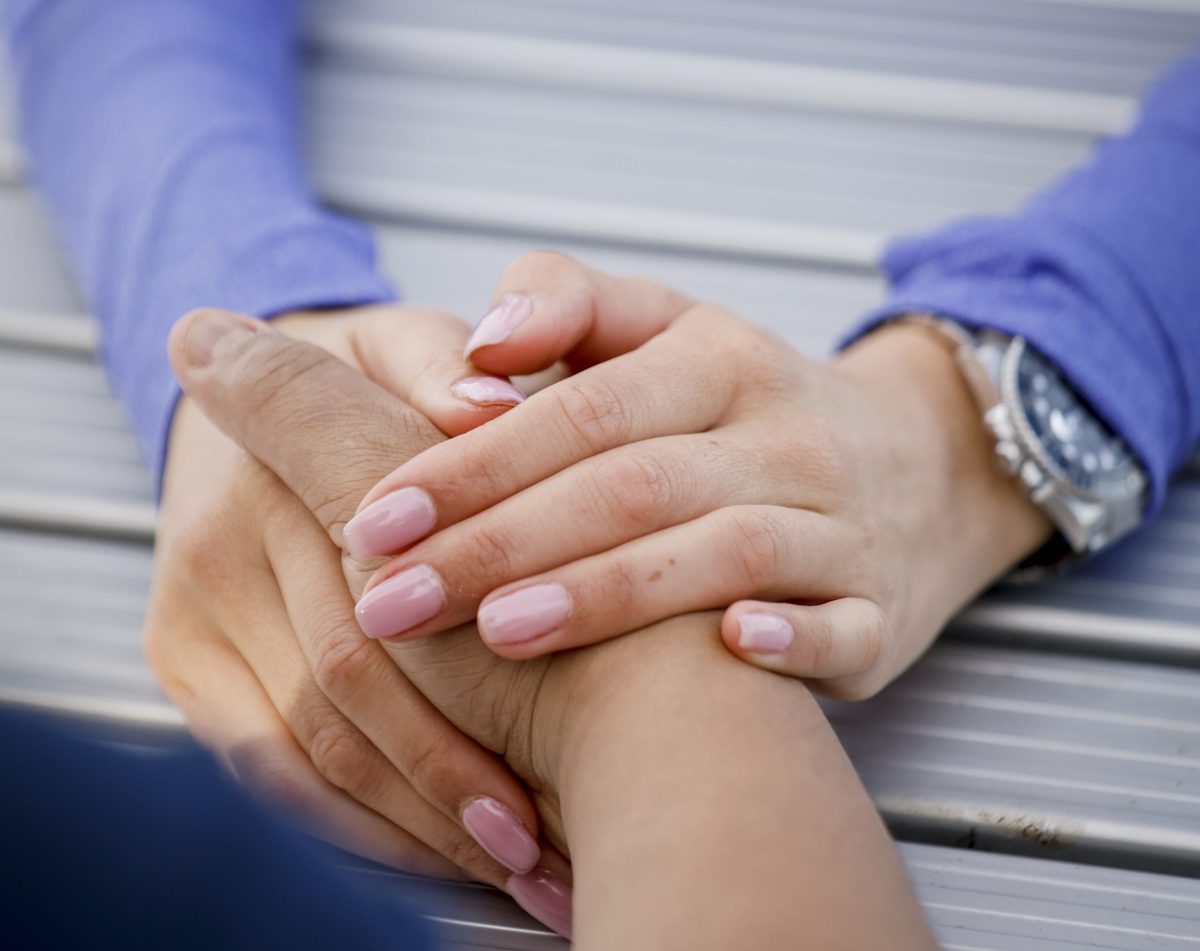
The report looked at the non-homicide deaths of perpetrators and victims of domestic and family violence in Canberra. Photo: Everymind/Salty Dingo.
CONTENT WARNING: This article discusses suicide and domestic and family violence.
The reality of how domestic and family violence can lead to non-homicide deaths, such as intentional and unintentional suicide, has been underlined in an Australia-first report.
The Domestic and Family Violence Biennial Review 2025 Report analysed the 38 non-homicide incidents that occurred in the context of domestic and family violence between 2020 and 2024.
Most non-homicide perpetrators who died were male (24 out of 25), and most non-homicide victims who died were female (11 out of 13).
Of the 13 female victims, 11 had experienced intimate partner violence, while the other two had experienced domestic and family violence.
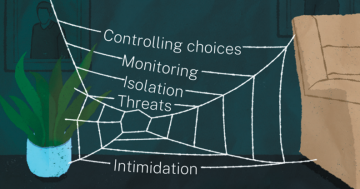
Persistent issues were identified, such as economic hardship and housing instability for victims and the presence of coercive control in nearly all cases.
Notably, factors and behaviours known to indicate a high risk of homicide were commonly present among those perpetrators who died by non-homicide means.
“High-risk violent behaviours used by perpetrators included coercive control (92 per cent), emotional violence (96 per cent), physical threats or assault (68 per cent), and threats to kill (48 per cent),” the report noted.
“Eight out of 25 perpetrators died by suicide … in the context of a pending or recent separation from an intimate partner (within 3 months).
“In several cases, suicide appeared to be used to punish victims or to avoid accountability.”
It also found that many perpetrators (15 out of 25) had criminal histories involving violence outside the context of domestic and family violence.
This was outlined as a “significant finding” as such violence currently isn’t recognised as a lethality risk factor.
Among the victims, there were people under the age of 18 who died by non-homicide means who had experienced domestic and family violence.
The review identified 67 children who were impacted by the deaths of the 13 victims and 25 perpetrators whose deaths were examined.
A key theme from the report was that children are victims in their own right.
“Perpetrators of intimate partner violence had committed violence against their own children, their partner’s children, and in some cases, their siblings when they themselves were young,” the report noted.
“The review found multiple perpetrators physically attacked intimate partners in front of their children.”
It stated there needed to be a child-centred approach that acknowledged their direct victimisation and prioritised their “unique needs” to improve their outcomes.
Another key theme was victims being misidentified as the predominant aggressor or perceived as “problematic”.
“This misidentification contributed to serious consequences, including criminal charges, child removal, and incarceration,” the report noted.
“Factors such as trauma responses, self-defensive acts by victims, and system manipulation by perpetrators contributed to this issue.”
Examples included a woman being charged after a perpetrator broke into her home and attacked her, and another woman who had her children removed by child protective services after police misidentified her as the predominant aggressor.
The report stressed that recognising trauma-related or protective behaviours by victims as “defensive or resistive acts” was essential to avoid misidentification and to make sure systems were acting to support their safety.
The report didn’t make any new recommendations; instead, it assessed the extent of work undertaken to address the 12 recommendations in the 2023 Death Review report.
Domestic Violence Crisis Service (DVCS) CEO Sue Webeck said the gaps in support for children and young people as victims, and the need for cultural change and education across police and justice systems about identifying and responding to coercive controls, remained a concern.
“Misidentification by police and courts of which person is the perpetrator of violence, and when a victim of family violence is using resistance to ongoing abuse, remained a theme of this Death Review, indicating that there is much work remaining,” she said.
“We also need to understand how victims of domestic violence are often forced to navigate intersecting multiple service systems, and the complexity of seeking support which meets their needs, and how these intersecting systems can often fail people.”
The report does make some reference to sexual violence, but the full impact isn’t captured.
Canberra Rape Crisis Centre CEO Tiffany Karlsson said, given 41 per cent of adult women in Australia had experienced physical or sexual violence since the age of 15 and survivors carried a risk of a 12 to 20-fold increase in suicide attempts, this needed to be examined further in a domestic and family violence context.
“Sexual violence causes significant social, emotional, physical and psychological impacts on victim-survivors,” she said.
“Crisis workers and counsellors at CRCC routinely respond to and support victim-survivors of sexual violence and child sexual abuse who experience suicidal ideation, self-injury and suicidal behaviours.
“It is imperative that the link between sexual violence and suicide is examined.”
If this story has raised any concerns for you, 1800RESPECT, the national 24-hour sexual assault, family and domestic violence counselling line, can be contacted on 1800 737 732. Help and support are also available through the Canberra Rape Crisis Centre on 02 6247 2525, the Domestic Violence Crisis Service ACT on 02 6280 0900, the Sexual Violence Legal Services on 6257 4377 and Lifeline on 13 11 14. In an emergency, call triple zero.
If you have been affected by sexual violence, or someone you know has, you can report it to police by attending a police station or phoning 131 444.