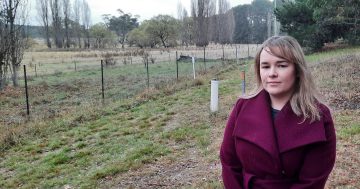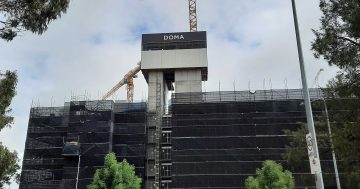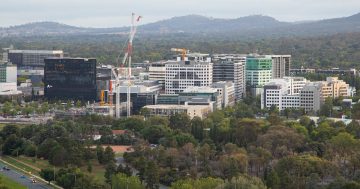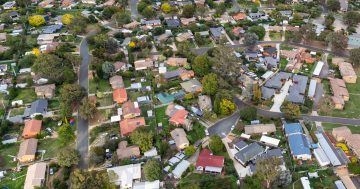

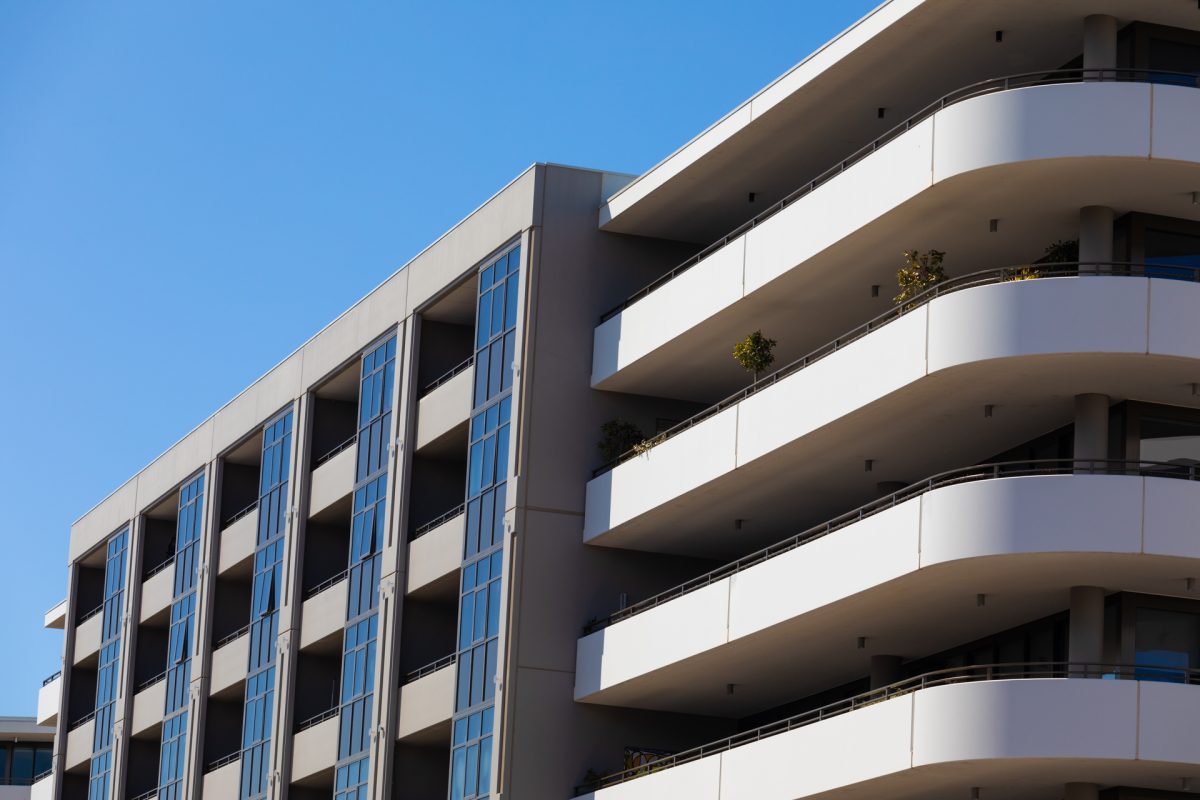
Building approvals are on the rise across Australia thanks mostly to a surge in high-density dwellings. Photo: Michelle Kroll.
Housing building approvals have risen across the country to their highest levels in almost four years, led by a surge in high-density dwellings.
Australian Bureau of Statistics data shows 18,406 dwellings were approved in November 2025, which is a 20.2 per cent increase compared to the same time the previous year.
The total number of dwellings approved rose 15.2 per cent in November, according to the ABS’s seasonally adjusted data just released.
Private sector dwellings excluding houses rose 34.1 per cent to 8463 dwellings in November, after a 13.5 per cent drop in October.
“November had the highest number of private sector dwellings excluding houses approved since June 2018,” ABS head of construction statistics Daniel Rossi said.
“Private sector houses also rose, up 1.3 per cent.”
Seasonally adjusted, Queensland and Victoria are spearheading the rise in apartment approvals, while NSW and Queensland lead the rise in private sector house approvals.
The ABS data has no seasonally adjusted figures for the Australian Capital Territory.
In trend terms, however, while approvals for total dwellings were mostly higher across jurisdictions, total dwellings approved fell in the ACT by 7.7 per cent.
The definition of private sector dwellings excluding houses includes semi-detached, row or terrace houses, townhouses and apartments.
The value of total buildings approved nationally rose 12.8 per cent in November to $18.34 billion, after a 1.8 per cent drop the previous month.
Driving the rise was total residential building which rose 26.3 per cent (to $11.34 billion) to reach a new all-time high.
The result was made up of a 30.4 per cent rise in new residential building (to $10.14 billion) and a 0.1 per cent drop in alterations and additions (to $1.20 billion).
The value of non-residential building fell 3.9 per cent to $7.04 billion, after a 13.5 per cent rise in October. The result is 15.1 per cent higher than one year ago.
Federal Housing Minister Clare O’Neil said the latest data showed home building continued to “turn a corner” due to the Federal Government’s supply investments and ambitious planning reform commitments from state and territory governments.
“Having housing approvals hit a four-year high is a great way to kick off 2026, but we know there’s still more to do,” the Minister said.
“These home approval figures show that the housing reforms we’re making are starting to bear fruit.
“Housing pressures built up over generations won’t ease overnight, but the direction of travel is clear and Labor’s turning our ambition into action – getting more homes built, more quickly.”
Master Builders Australia (MBA) described the ABS data as good news for builders.
Analysis by the MBA’s chief economist Shane Garrett found that November’s figures add up to 195,523 new homes being approved across Australia over the year.
He said it represented a welcome expansion on previous years, but warned that the pace of home building remained well short of what was required to meet the National Housing Accord.
“As we have previously reported, during the accord’s first year, Australia suffered a 60,000-home shortfall meaning that 255,000 new homes are required per year over the remaining four years of the accord,” Mr Garrett said.
“Higher density home building, which offers our best chance of turning this around, surged by 36.3 per cent during the month.
“When conditions are right, the output of apartments and units can increase substantially over relatively short periods.
“The detached house building side of the market was more muted, with approvals up marginally (+0.7 per cent).”
The accord is an agreement between all levels of government, as well as investors and the residential development, building and construction sector to unlock housing supply over the medium term.
It sets out a framework to improve housing affordability by addressing Australia’s housing supply challenges and enabling the delivery of more social and affordable housing.
The National Housing Accord has an initial, aspirational national target of delivering a total of one million new, well located homes over five years from 2024.
It also includes immediate and longer-term actions for all parties to support the delivery of more affordable homes.