
1 December 2025

Better ways to cool the hot spots than a 30 km/h speed limit

| By Ian Bushnell
Join the conversation
12
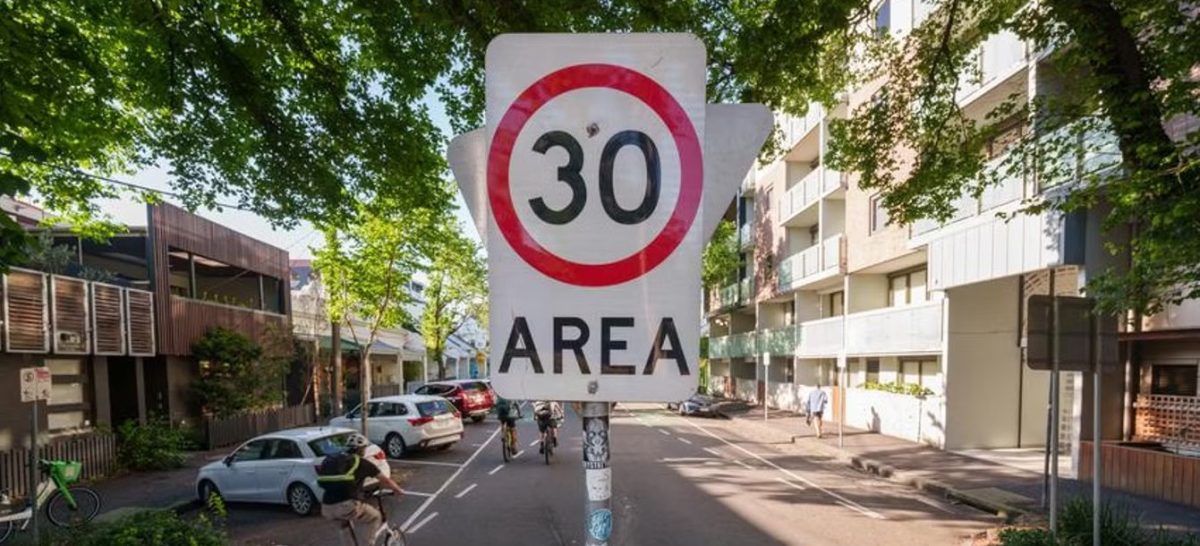
speed limit sign

Victoria has been trialling safer streets, as has Moruya on the NSW South Coast. Photo: Yarra City Council.

If many young drivers are already flouting low-speed limits in Canberra’s streets, why should reducing speed limits even further make any difference?

Indeed, the UNSW Canberra’s own research showed that 80 per cent of survey respondents did not believe that lower-speed zones, such as the 30 km/h it has recommended, would improve drivers’ speeding behaviour.

Nonetheless, the university study believes there is merit in the lower limit being implemented in high-risk areas across the national capital, as part of a package of measures.

“In the ACT, where pedestrian activity is concentrated around schools and urban centres, non-compliance with low-speed zones continues to pose a serious risk,” it stated.

Other sites include hospitals and aged-care centres.

READ ALSO Barr under fire as carpark woes continue for city businesses

The suggestion is not new. In 2023, cycling lobby Pedal Power urged the adoption of 30 km/h limits in suburban streets.

It is incontrovertible that speed is a factor in collisions and determines how severely someone is injured or whether they are killed.

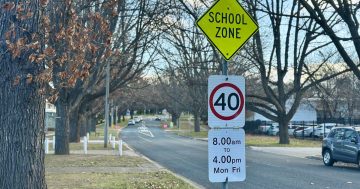
To that end, Canberra has a 50 km/h limit in suburban streets and 40 km/h school zones for most of the day, unlike in NSW, where it is in force from 8-9.30am and 2.30-4pm.

Some ACT schools are on major roads, yet drivers face a frustrating 40 km/h crawl despite a child being nowhere to be seen at certain times of the day.

In the city, the 40 km/h zone in Northbourne Avenue, a wide boulevard where there are safe, signallised crossings, remains contentious and a bugbear for drivers, who can easily exceed the limit without realising and incur hefty fines.

Many of the high-risk areas the study identified are where vehicles, cyclists and pedestrians coalesce and speed limits are already reduced and naturally enforced.

In Braddon, for example, the traffic volumes tend to self-limit. This is not to say that there are other areas where reduced speed limits could be warranted, along with other design measures.

But lowering speed limits remains a blunt instrument that requires enforcement, tying up resources and antagonising motorists.

READ ALSO Fatal crash inquest urges consideration of new red light tech to save drivers’ lives

The study’s other recommendations around urban planning, road design, signage and education offer more preventive and non-interventionist ways to make neighbourhoods safer.

For example, traffic calming speed bumps and chicanes, and narrower roads can all contribute to a safer environment.

But these need to be used judiciously and selectively.

While streets are not for the exclusive use of motorists, separating them from cyclists and pedestrians as much as practically possible is also a better strategy than simply imposing a lower speed limit.

That means more investment in public transport, cycle and walking paths, separating cyclists and vehicles on major roads and providing safer crossings for pedestrians.

A 30 km/h speed limit may help in certain circumstances and send the right signals, and feedback from trials should be heeded, but compliance and the irritation factor will be issues.

Where appropriate, taking the choice out of the equation, although more costly than a sign, would be more effective.

What remains important is that all road users are aware of their surroundings, walk, ride and drive to the conditions and are watchful of each other.


Free Daily Digest

Want the best Canberra news delivered daily? We package the most-read Canberra stories and send them to your inbox. Sign-up now for trusted local news that will never be behind a paywall.
Loading
By submitting your email address you are agreeing to Region Group's terms and conditions and privacy policy.

Join the conversation

12
All Comments
  • All Comments
  • Website Comments
LatestOldest

I am not sure that lowering the limit to 30 will make much difference other than to government coffers. But we do need changed attitudes and it is not always the motorist who is the biggest problem even though they are the ones that are held responsible if a pedestrian is hit. Just look around Civic for example where I now go as infrequently as possible. The number of near misses I have seen is scary where the motorist has stopped at a crossing, just started to move and the next pedestrian just walks out from behind a building with their heads down on their phone, not looking. The motorist, thankfully travelling slowly, jams on the brakes and the ignorant idiot on the crossing looks up and abuses them.

Children also need to be taught to cross a road safely as part of their life education from a small child onwards. And bike riders can be very arrogant and difficult as well.

Whether we like it or not, the laws of physics reign supreme. A bike is likely to hurt a pedestrian just as a car is likely to be the winner in a bike-car crash. Surely, we can all learn to live with each other here and take responsibility for ourselves. My personal hate is the fool with a phone who observes nothing around them but expects everyone else to ensure their safety. And age is irrelevant here – the age range of phone addicts is across the board.

“ If many young drivers are already flouting low-speed limits in Canberra’s streets, why should reducing speed limits even further make any difference?”

Could the author be any more ageist? Just as often I see what would be considered middle aged or older generations flouting spewed limits – often with children in the car.

If we want to solve any of these problems we need to realise that all ages are guilty of flouting speed limits and acknowledge that this isn’t a “young person” problem.

I wonder if it’s a case of 40 km/ph only being dangerous now because of car trends, but I guarantee it wasn’t when the school zones were first implemented.
A key change is autobesity, cars going from 0.9 – 1.5 tons to 2-3.4 tons in weight (and a flammable battery to boot). In addition you can’t see over the hood and are promised to run children under the car (today’s SUV: Rav4) as opposed to over the car (yesterdays car: Toyota Corolla).
Instead we should look at warning auto makers and residents in CBR of anti social vehicles (I get you want to off road on mt Ainslie) and taxing people that way.

We should look at the actual practical evidence. Where these speed limits have really been implemented, the streets have come alive as community spaces. Residents like it. And quieter streets have reduced stress levels. (There are some indications that 30 km/h produces quieter streets than either higher or lower limits, which is counter-intuitive.)

30kph. Really ?
Nah………..Make it 10kph, or maybe even less,. Surley the logic behind slower cars would confirm this is the best way forward.

Finally a commonsense article about a dumb idea that would achieve nothing. The Road Safety Cult won’t be happy until the limits reach zero.

There is no genuine desire here to remove dangerous road users from the road. 30kmh signs are the cheapest “fix” that also has the “benefit” of raising revenue. It’s a political response to a problem that has been mitigated as far as practicable – but that doesn’t seem to be enough for those that either don’t understand the reality or have a different agenda they’re pushing.

Daily Digest

Want the best Canberra news delivered daily? Every day we package the most popular Region Canberra stories and send them straight to your inbox. Sign-up now for trusted local news that will never be behind a paywall.

By submitting your email address you are agreeing to Region Group's terms and conditions and privacy policy.