

Higher-than-average nighttime temperatures are on the way for Canberra. Photo: James Coleman.
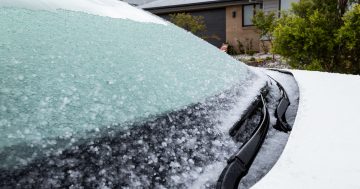
Canberra woke to its coldest start to summer since records began, with temperatures dipping below zero yesterday (2 December).
The Bureau of Meteorology (BOM) confirmed the Canberra Airport weather station hit -0.3 degrees Celsius at 5:48 am, beating the previous low of 0.3 degrees, recorded on 6 December 2012. At the old airport station, the lowest December temperature ever logged was 1.1 degrees in 1964.
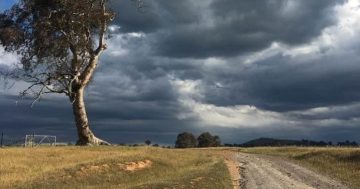
But despite the nippy shock, Canberrans shouldn’t expect the cool conditions to stick around. The long-range forecast points strongly the other way.
The BOM’s summer outlook shows warmer-than-average days and nights are likely across NSW and the ACT.
For Canberra specifically, there is an increased chance of “unusually high” overnight temperatures, meaning the kind of sticky evenings locals haven’t experienced for several years.
Rainfall is more of a mixed bag. The BOM expects below-average rainfall in December for much of NSW and the ACT, but the outlook for January and February sits at a fifty-fifty chance of being wetter or drier.
Nationally, large parts of the country are expecting a hotter and, in places, drier season. The BOM notes an increased chance of unusually warm daytime temperatures across the southeast – including the ACT – as well as significant parts of Queensland and the northwest.
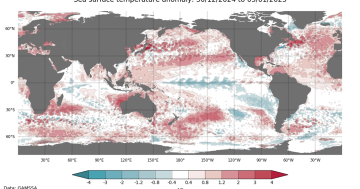
Climate drivers are shifting, too. A weak, short-lived La Niña has formed in the Pacific, even though the BOM says it’s unlikely to have much impact on rainfall this summer.
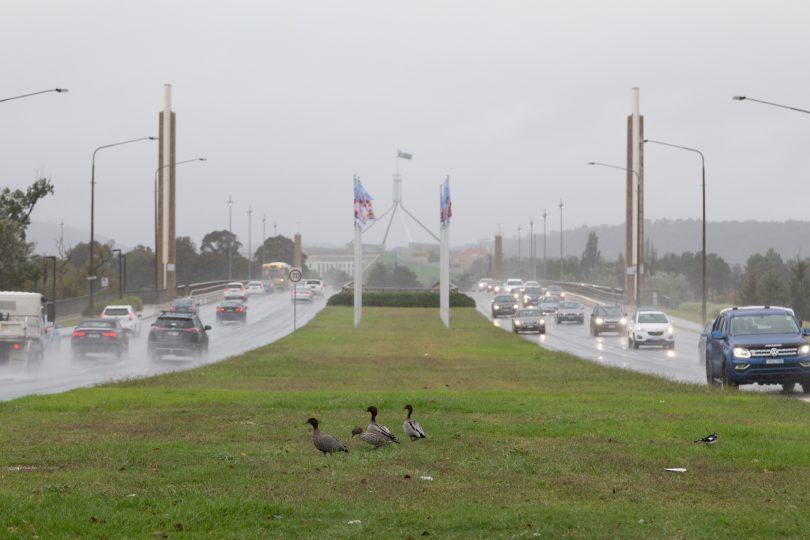
Good weather for ducks? There’s a 50-50 chance of above-average or below-average rainfall for the ACT. Photo: File.
In the short term, temperatures have been rising rapidly since Tuesday’s low.
Today will reach a high of 27 degrees, followed by a sunny Thursday with a top of 31. Friday will push to 35 degrees under mostly sunny skies. Saturday will bring a warm, windy 34 degrees with a chance of a shower or two, followed by a cooler, mostly sunny Sunday reaching 27 degrees.
At this stage, Monday is expected to sit around 28 degrees before the mercury climbs again to 32 degrees for Tuesday.
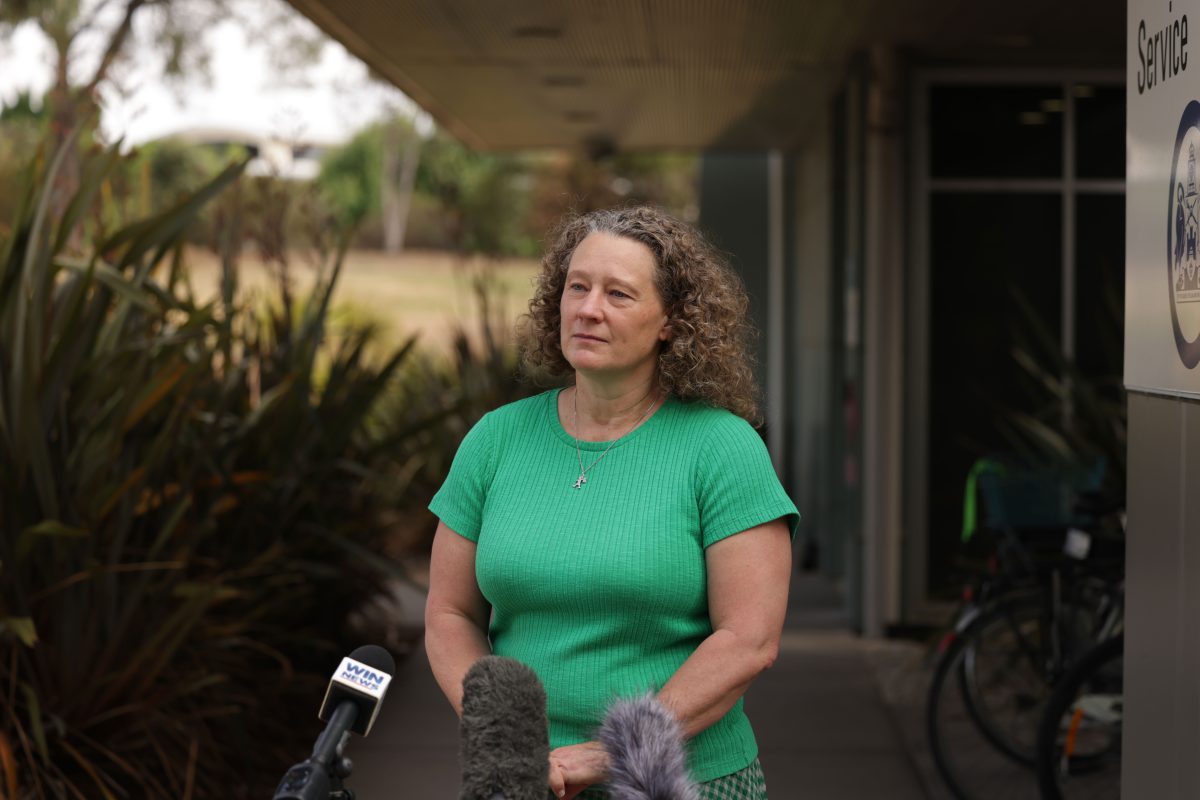
ACT Chief Medical Officer Kerryn Coleman is warning Canberrans to be careful in the heat. Photo: ACT Health.
With the warm weather – and particularly warm nights – about to return, health authorities are urging Canberrans to watch for symptoms of heat exhaustion before they turn deadly.
“We do certainly see people who have heat-related illnesses often, and this is really good that we see it in the early phases,” ACT Chief Health Officer Dr Kerryn Coleman said.
“When we see the most heat-related illnesses is when we have several evenings where the minimum temperature doesn’t go down far enough, so our bodies remain stressed at night and never get to recover.
“After about two or three days of high maximums or moderate maximums, but also high minimum temperatures, people start to really feel potentially unwell.”
She said the early symptoms – dizziness, headaches or nausea – are signs to rest, drink water and cool down.
“Be on the lookout for signs of heat-related illness, and take actions to cool down and hydrate. If you or someone in your care becomes very unwell from heat-related illness, seek medical attention,” she said.
Summer also marks the most common time of year for food poisoning, thanks to bacteria multiplying more quickly in warm weather.
Victor Martin, Executive Branch Manager of the ACT Health Protection Service, said people should take extra care when cooking and storing food.
“We know summer is a time for sharing meals with friends and family, but no one wants their celebration spoiled by food poisoning,” he said.
He said good hygiene, cooking meats thoroughly, keeping food at safe temperatures, thawing food in the fridge rather than on the kitchen bench, refrigerating leftovers promptly and avoiding food preparation when unwell will all help reduce the risk.
Common symptoms of food-borne illness include nausea, vomiting, diarrhoea and stomach cramps. Most cases can be managed at home with fluids, but anyone experiencing severe or prolonged symptoms should seek medical advice.
The BOM updates its seasonal forecast every week, and detailed local outlooks are available on its website. Summer safety advice, including heat and food-handling tips, can be found at ACT Health.