


Kurrajong Independent MLA Thomas Emerson’s actions forced the release of documents related to children’s safety in early childhood centres. Photo: Supplied.
A centre “exceeding” national quality standards despite receiving four enforcement actions. An educator investigated for inappropriate and physically aggressive behaviour towards children who had been convicted of assaulting a child in NSW 10 years earlier. A child who ate a death cap mushroom they found in their centre’s garden.
These are just some of the incidents reported, investigated and acted upon at Canberra’s children’s centres, family daycare services, early learning centres, out-of-hours school care and other early childhood education and care (ECEC) centres since 2020.
Hundreds upon hundreds of documents relating to emergency action notices, prohibition notices, suspension and compliance notices, enforceable undertakings and notifications of complaints and incidents at ECEC centres are being uploaded to the Legislative Assembly’s website.
But the scope of the document’s contents originally also included documents relating to active investigations, police reports and correspondence between complainants and the Children’s Education and Care Assurance (CECA) regulator.
Kurrajong Independent MLA Thomas Emerson (who used legislated powers to force the production of the documents) said this meant that, despite the documents being released, parents and the community were still in the dark.
“Multiple cases of alleged child sexual abuse included in the documents that have been released are completely stripped of detail, leaving families none the wiser as to what has happened,” he said.
“Without sufficient scrutiny and transparency, we risk seeing all centres – good and bad – being tarred with the same brush. We need to differentiate the fantastic centres from the dodgy operators who are prioritising profit over children’s safety.”
Mr Emerson said his aim in getting the documents released was to help everyone understand the processes that were in place when things went wrong and to see whether the regulator was both effective and sufficiently resourced.
“The documents reveal some deeply concerning incidents and patterns at certain centres, while also containing examples of good practice and positive engagement with the regulator at other centres,” he said.
“Trust in the sector won’t be rebuilt by platitudes, but by providing families with the level of transparency they need to make informed choices about who cares for their children.”
The United Workers Union has made it clear that the documents reinforce the need for a stronger regulator.
“Overall we need a system where educators are trained, supported and respected so they feel confident to raise issues,” vice-president and ACT secretary Lyndal Ryan said.
“The issues raised by educators suggest systemic problems that are hard for a spot check by a regulator to fully address.”
These issues relate to understaffing and inclusion support, which the union has argued contribute to wider educator burnout and put children at risk.
Ms Ryan commended what the ACT Government had done at a local level and has a long-term vision for the sector.
“[It] should be focused on safety and quality and this would necessitate a shift away from the current profit-driven market of ECEC towards a system that is child-focused and recognises the invaluable contribution our educators make in our society and the education of our children,” she said.
“[Locally], CECA should be in a position to address the widespread use of under-the-roof ratios and crack down on staffing waivers.”
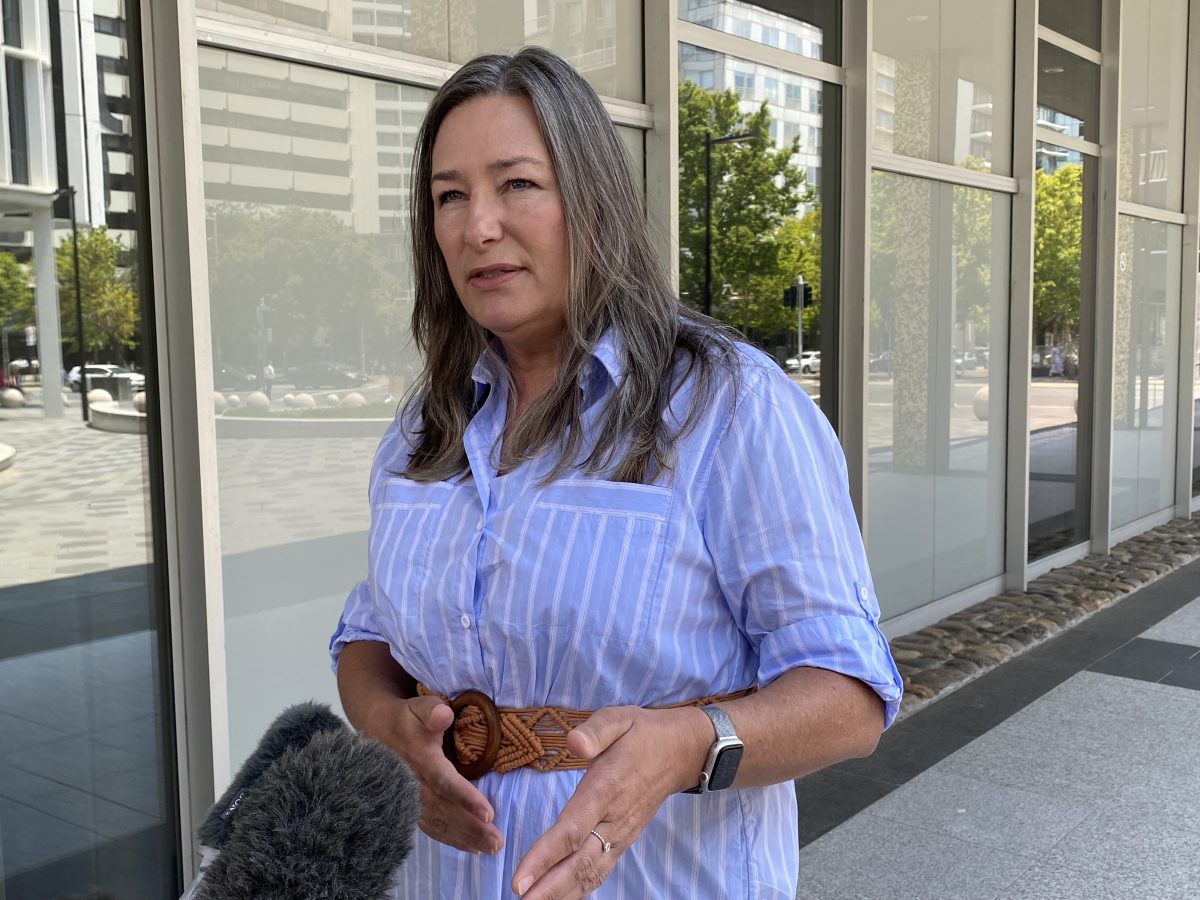
Education and Early Childhood Minister Yvette Berry has long wanted more scrutiny on the early childhood education sector. Photo: Claire Fenwicke.
CECA is responsible for both regulating the sector and making sure providers are supported to meet the National Quality Framework standards.
Education and Early Childhood Minister Yvette Berry said there were also other ways to address the issues being raised by regulators.
“There are some services who don’t do the right thing and perhaps those are the areas where the regulator’s role needs to be strengthened … [and] there is definitely more work that needs to be done [regarding] services that continuously, or apparently flagrantly, ignore the regulator’s recommendations,” she said.
“[But as well], if we have proper supervision of children, highly-qualified educators that are recognised as a vital workforce in this town … that’s where you’ll see reform in the sector that makes it safer.”
The documents are being released in folders that relate to each centre. Some providers operate multiple centres across the ACT, while others have closed their doors in the past five years.
Mr Emerson said some other gaps were already obvious.
“The documents include several examples of allegations being raised about sexual abuse by staff, at the same time as there are reports of concerning sexualised behaviours between children. But incidents seem to be treated in isolation despite the obvious questions they raise about their potential interconnectedness,” he said.
“The ACT is the only jurisdiction that does not have an online portal to check the validity of Working With Vulnerable People cards live and this is a clear and straightforward area for improvement.”