

Jerwin Royupa was just 21 when he died. Photo: Supplied.
Are you a business owner looking to slash labour costs by recruiting a slave?
Good news: it may be 2026, but the federal Department of Home Affairs (DHA) makes it far easier than you might think.
A coroner’s report into the death of Filipino national Jerwin Royupa — who jumped from a moving van after being exploited by his employer — reads less like a tragedy and more like a government-issued how-to guide for sourcing free labour from overseas.
Step one is something called a training visa.
On paper, it’s meant to provide overseas workers with structured learning opportunities while gaining skills in Australia. But it also gives employers the power to bring in a foreign worker for months at a time without paying them.
Since the scheme began in 2016, more than 24,000 training visas have been granted.
The visa conveniently ties the worker to a single employer. They can’t quit. They can’t work elsewhere. Their legal right to stay in Australia depends entirely on keeping that one boss happy.
Under the rules, employers are supposed to provide actual training. But here’s the catch: nobody checks.
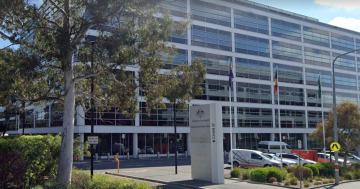
According to the coronial inquest, Mr Royupa was forced to perform manual labour for 10 hours a day, six days a week, with no training or education whatsoever. During his entire placement at an isolated winery, DHA never visited the site.
A bureaucrat told the inquest the department simply doesn’t have the resources to properly monitor every placement.
Mr Royupa’s sister also said DHA appeared to conduct no meaningful background checks on the employer before approving the visa.
But surely, you might ask, a worker could just call the department and report abuse?
Good luck with that.
Try finding a phone number on the DHA website. It’s not on the landing page. Or the next one. After clicking through three separate screens, you might eventually find a number on the bottom of the page that greets you with a recorded message.
As for other help, Mr Royupa’s family says he received no assistance from the Fair Work Ombudsman either.
Australia did appoint an Anti-Slavery Commissioner in 2024, a role supposedly created to lead national efforts against modern slavery. Oddly, there’s no phone number on that website either.
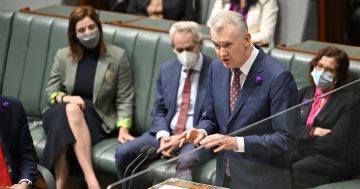
Despite the fancy title, the commissioner doesn’t appear to help enslaved workers directly. He can’t prosecute employers, change policy, or intervene in individual cases. His response to the damning coronial findings into Mr Royupa’s death was to “write a letter” to Home Affairs Minister Tony Burke. In the fight against modern slavery, our commander’s weapon of choice is stationery.
So let’s recap.
The federal government allows employers to bring vulnerable foreign workers — often young, unpaid, and with limited English — into Australia. It ties them to one employer, doesn’t properly vet that employer, doesn’t monitor the placement, and offers no clear avenue for help if something goes wrong.
Which, incidentally, is pretty much the textbook definition of the conditions required for slavery.
And all of this is happening under a Labor government – the party that likes to remind us it was founded to protect workers now presides over a visa scheme that leaves them unpaid, trapped and invisible.
DHA now says it is looking into reforms of the training visa system — despite being warned about its many flaws for many years, including when Mr Royupa died seven years ago.
But what are reforms supposed to achieve?
If the department doesn’t have the resources to protect vulnerable workers, it shouldn’t be handing out the visas that make them vulnerable in the first place.
Scrap the training visas. Train locals instead.
Because if your labour scheme only works when nobody’s watching, maybe it’s not training at all — it’s exploitation with a government logo on it.