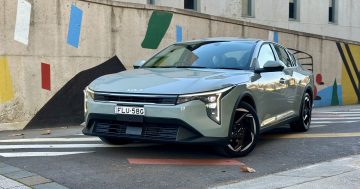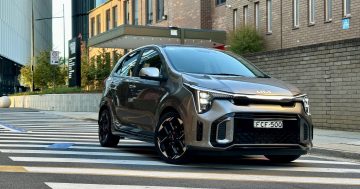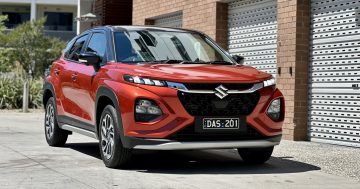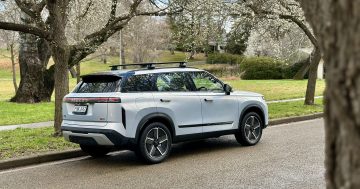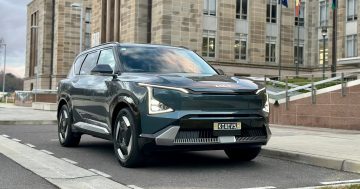


2025 Kia Sportage prices range from $32,995 for the S (FWD) model to $60,370 for the GT-Line HEV AWD. Photo: James Coleman.
Built off the platform of the Mazda Bongo van. Other Mazda parts, including engines, used elsewhere. Early models made in Germany before production is moved to South Korea. Even a short-lived three-door soft-top convertible version too.
You get the idea: the original 1993 Kia Sportage was a real hodgepodge.
It was also about as pretty – and well made – as you’d expect a hodgepodge to be. It turns out seat belts that “fail”, not to mention a vehicle structure that “collapses”, will hand you the lowest possible result under the ANCAP crash rating system – one star out of five.
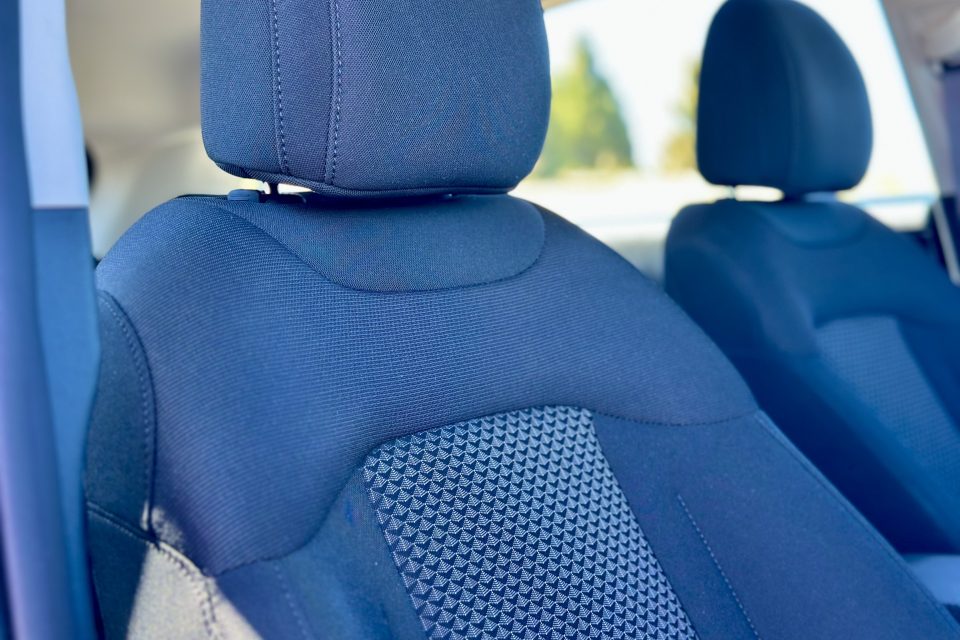
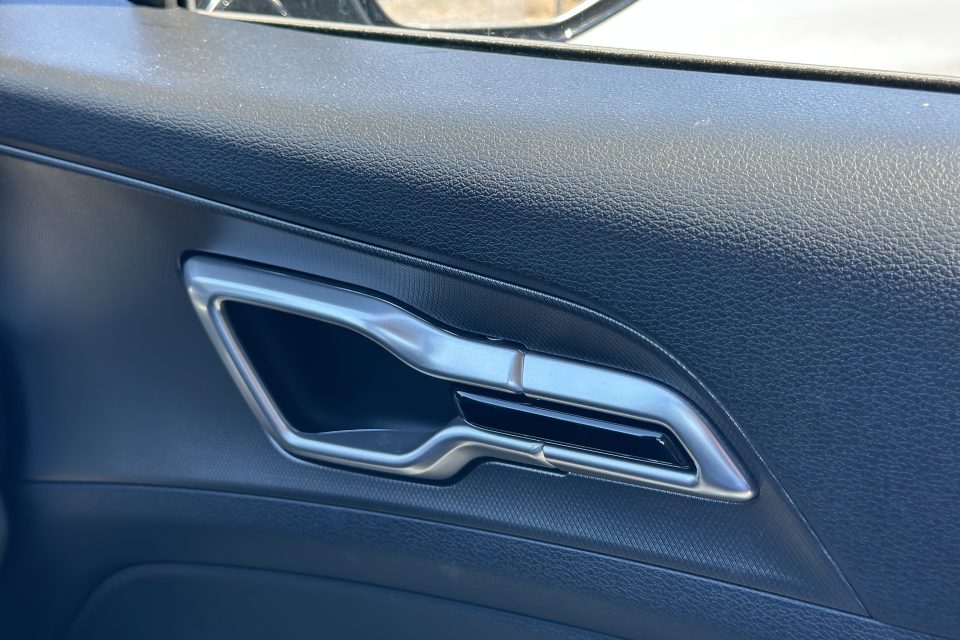
Why am I hanging out this dirty laundry? Because I’ve just spent a week in the latest Kia Sportage, freshly updated for 2025, and my biggest gripe was how my right elbow got sore from leaning on the plastic door-mounted armrest.
That said, I’m in the SX model – one up from the spec S. So if you paid for a posher SX+ or a GT-Line, this won’t be an issue either.
Like most things out of South Korea, including its film-making industry, the Sportage has been heading onwards and upward for a while now. And it’s been massively rewarded – last year alone, more than a quarter of the 81,000 new Kias sold in Australia wore the name, Sportage.
So, for 2025, Kia didn’t want to rock the boat too much.
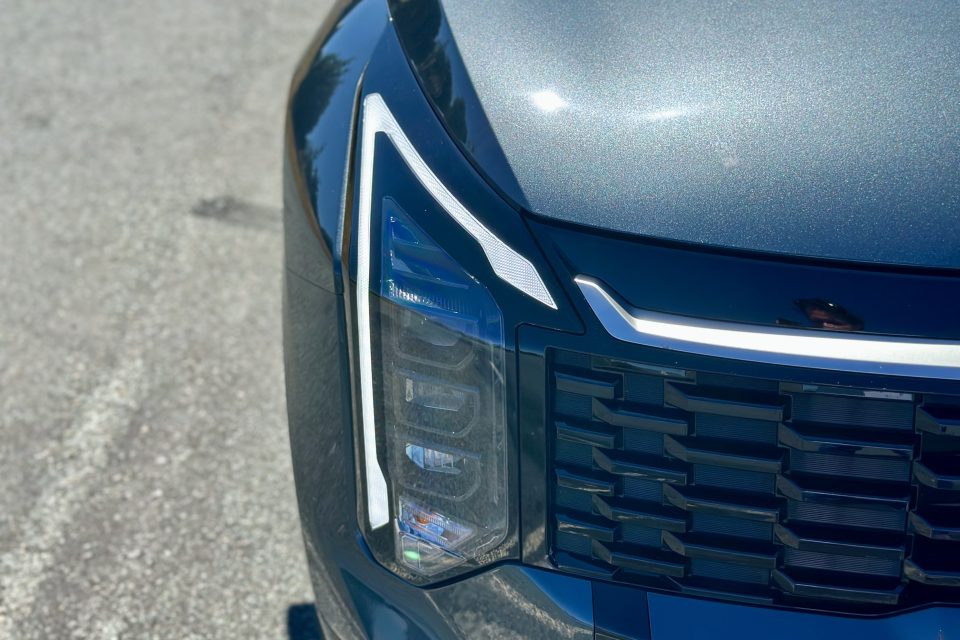
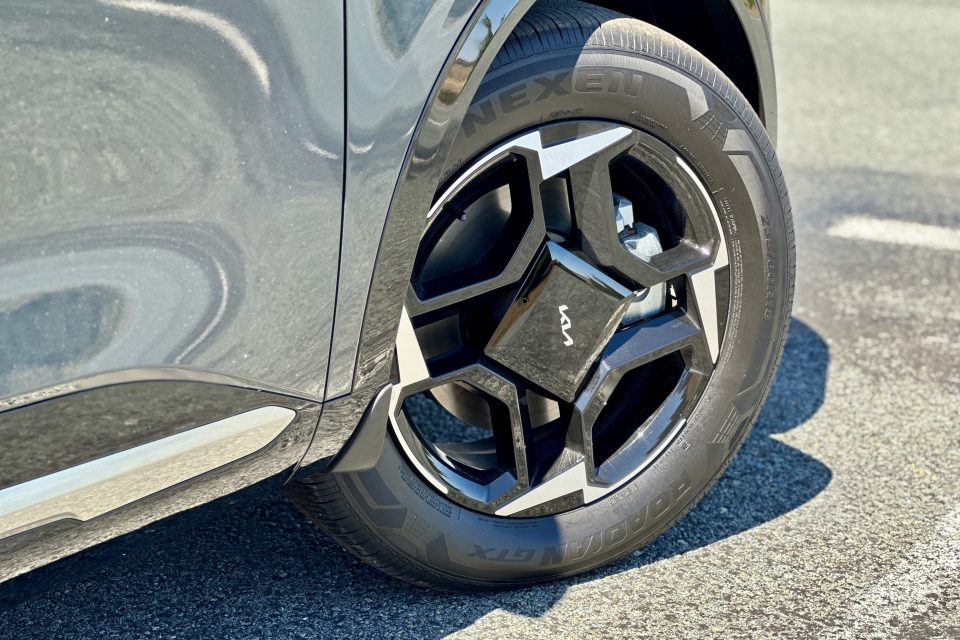
I never much liked the face on the last model. The lights were messy and the grille, Love Island-contestant fish-like. This one is almost a transplant from all the other new Kias (except obviously the Tasman, which remains hideous). Swelling rear haunches finish it off nicely too.
And no, it won’t collapse on you either – this new Sportage has scored all five of the ANCAP stars.
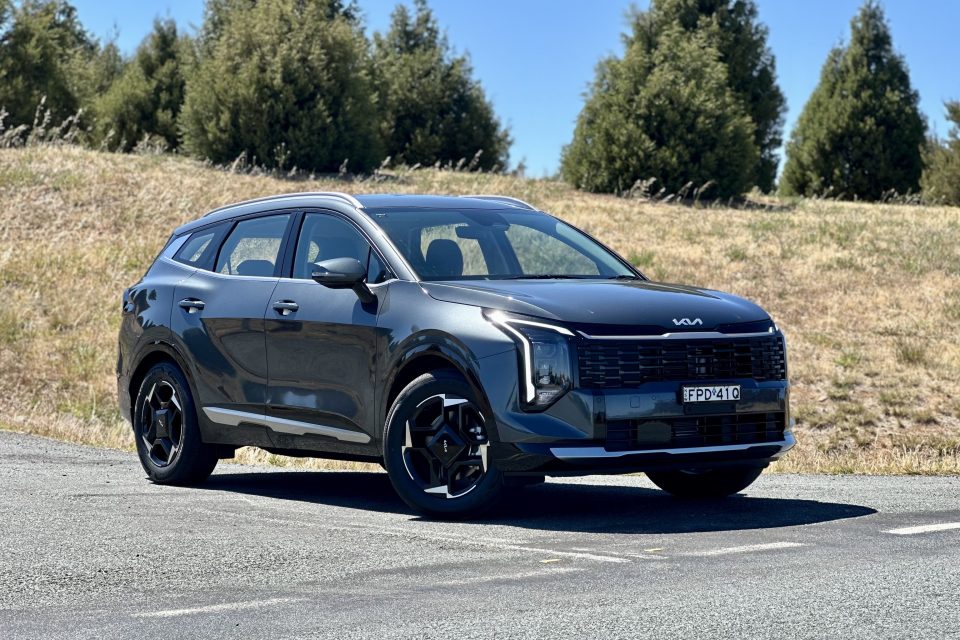
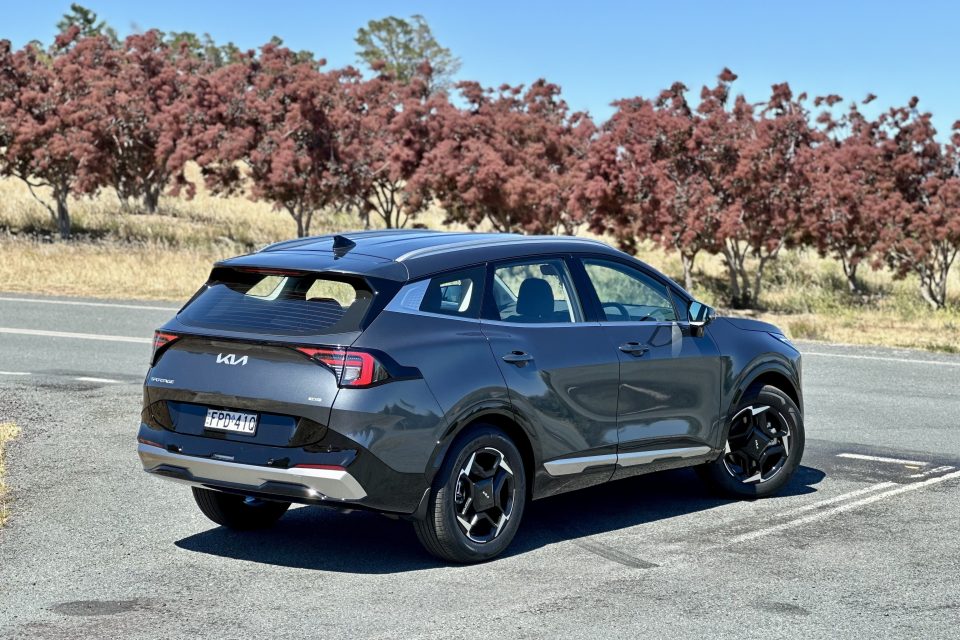
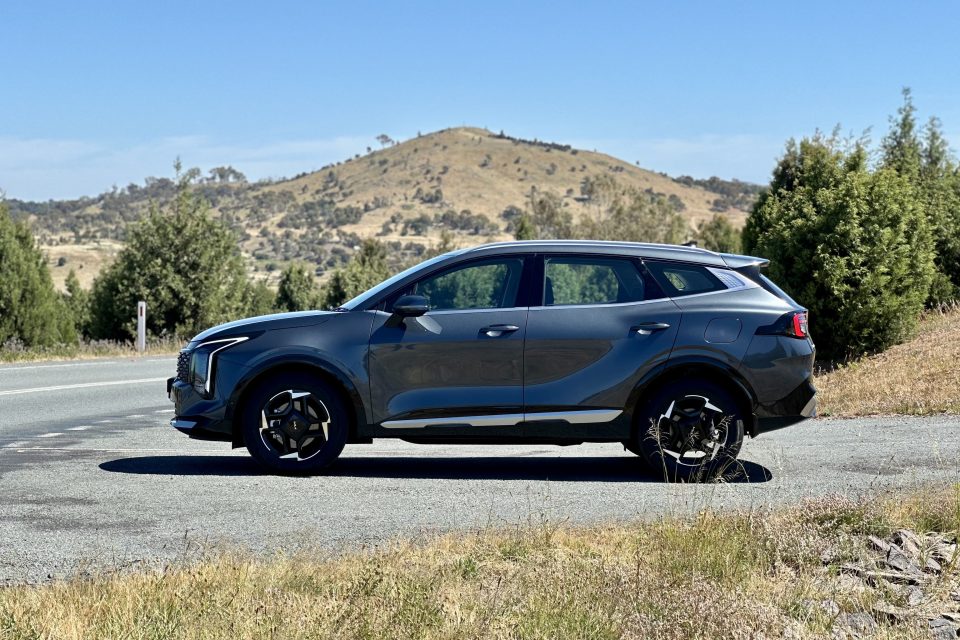
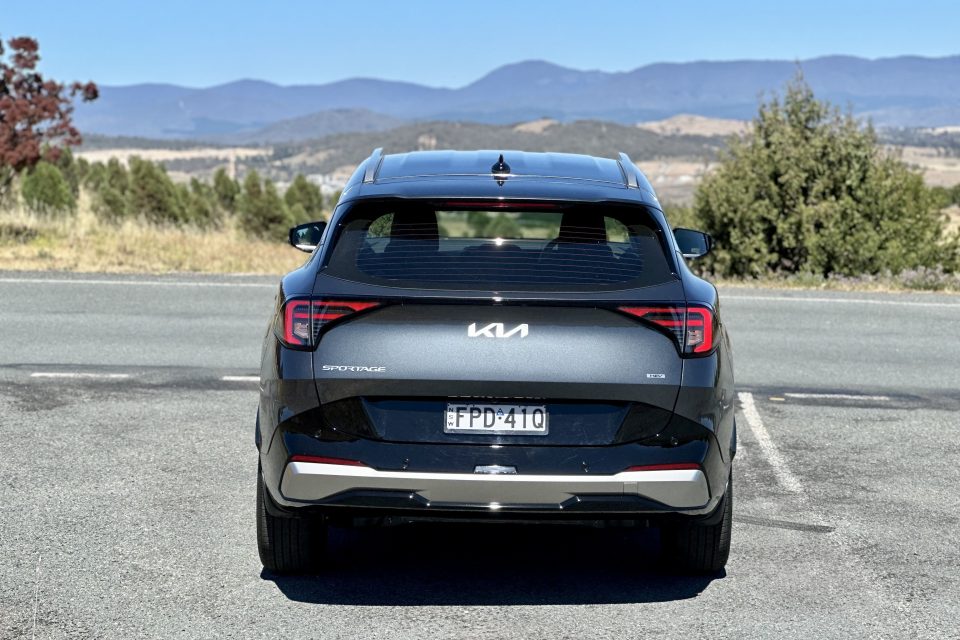
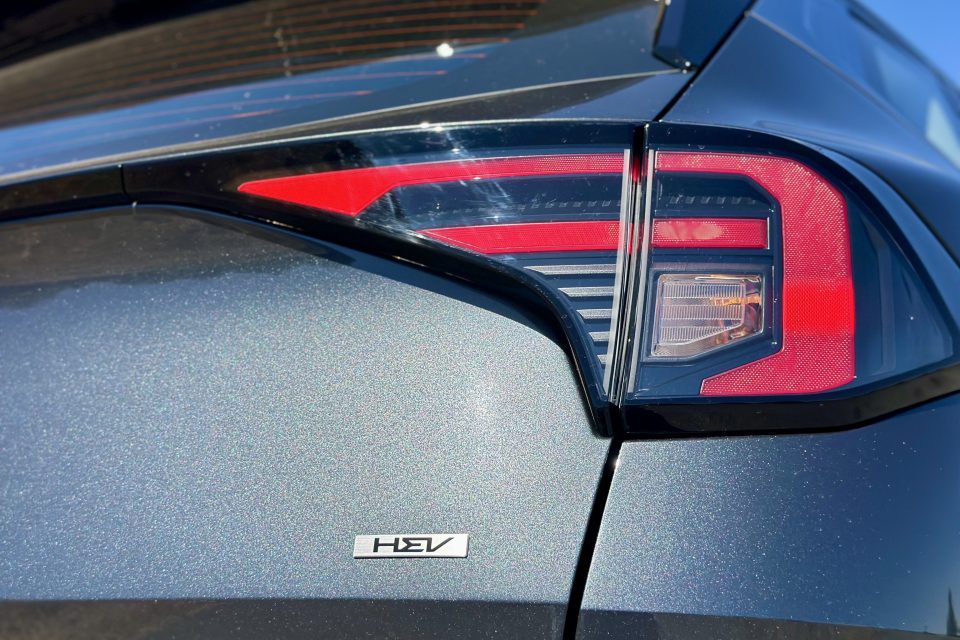
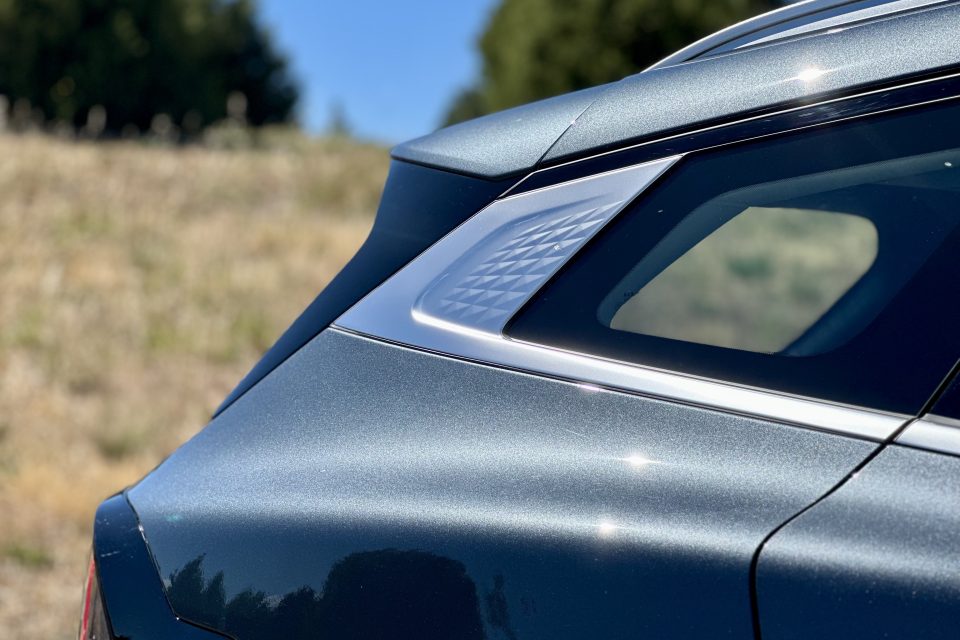
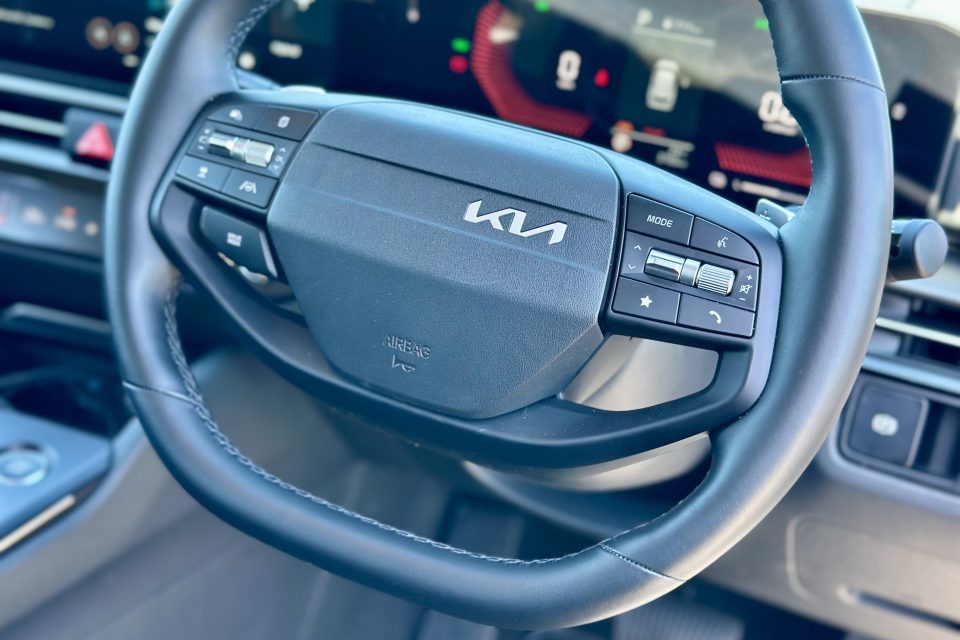
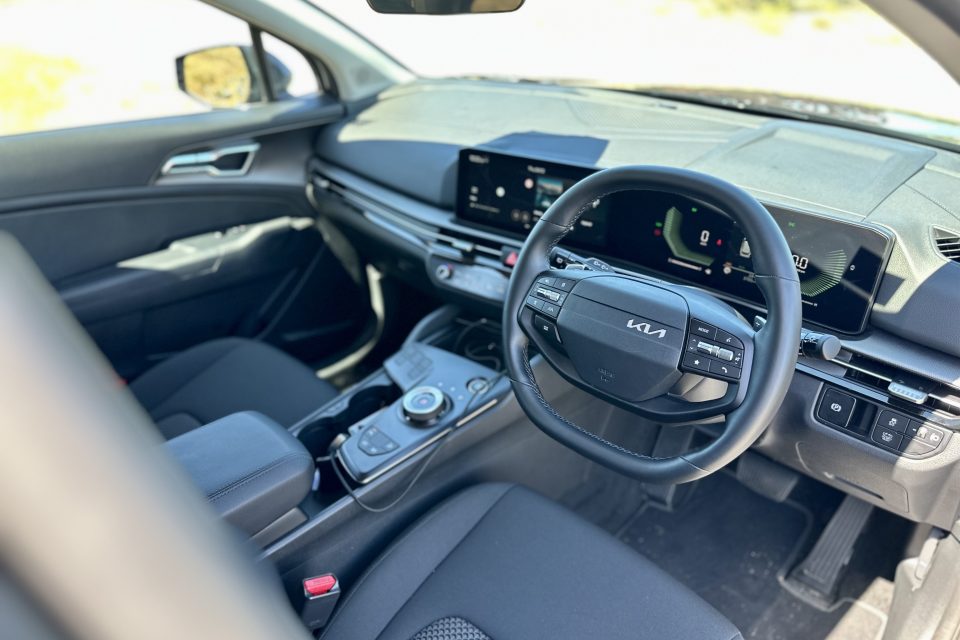
Other changes include a two-spoke steering wheel that makes you feel like David Hasselhoff in Knight Rider, new dual touchscreens, extra safety equipment, and less piano back interior trim to get scratched up within two minutes of ownership.
But probably the biggest improvements help the way it drives.
There are still 2-litre and 1.6-litre turbo petrol engines and a 2-litre turbo diesel available. But for admittedly a big jump of $8-9K, you can get the 1.6-litre petrol combined with a beefier battery and electric motor to make a hybrid.
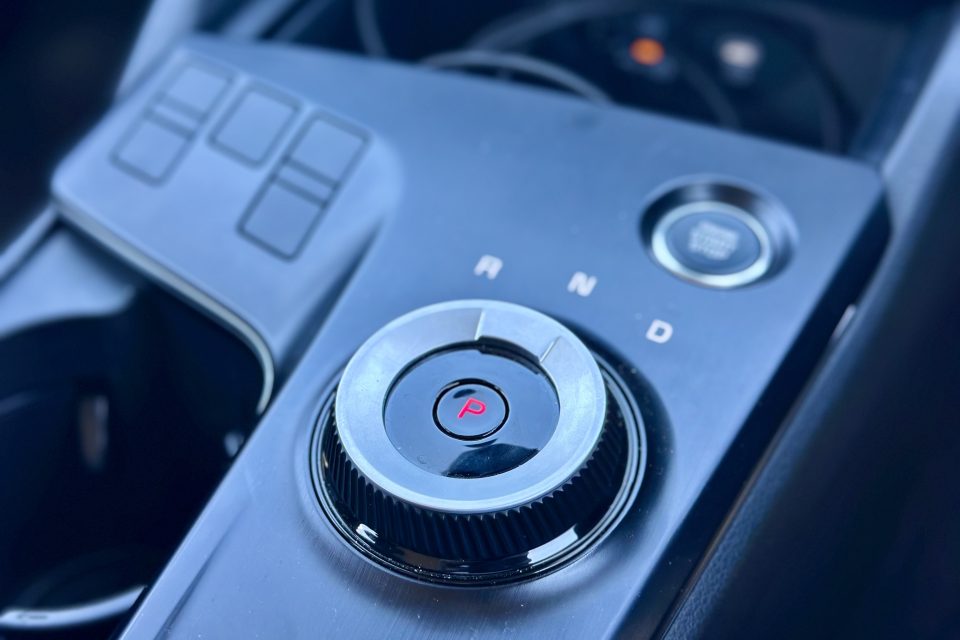
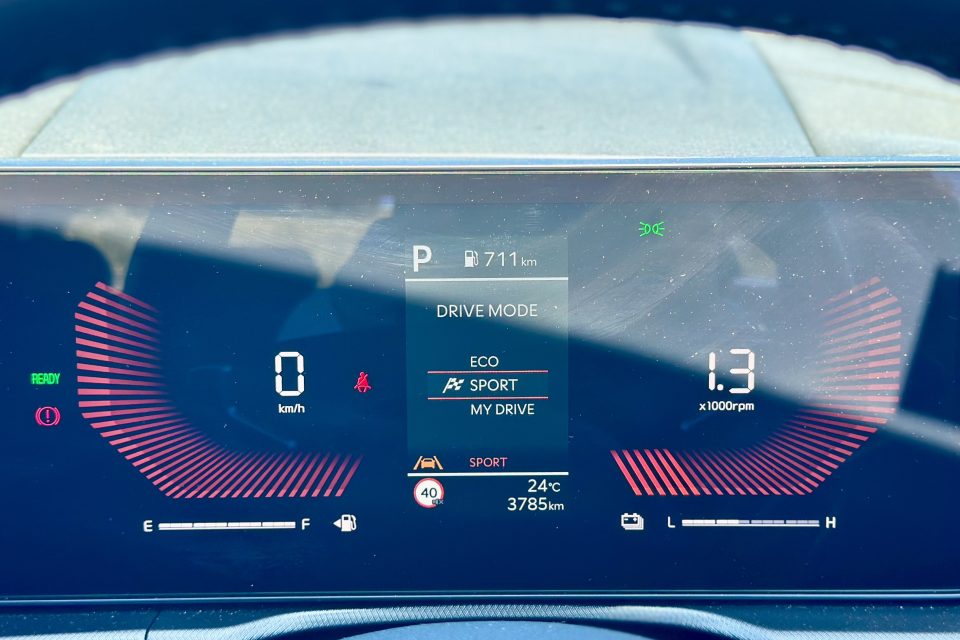

It’s not Toyota smooth. It will take off with eagerness under the electric power, but once the petrol engine comes alive, it’ll realise it can’t keep going like that. You almost end up with two stages of acceleration – the last one very noisy as it revs to keep up.
But it is efficient. Fuel economy is bang on Toyota-RAV4-Hybrid levels, at a claimed 4.9 litres per 100 km. Even at 110 km/h on the Hume Highway, I was trundling along the easiest sections on pure electricity.
Kia has been putting its Australian engineers to work for some years now – getting them to tinker with the way the cars handle roads last worked on by convicts. But I don’t think the result has ever been so perfect as here.
The steering is lovely – not wallowy or vague – and only what sounds like distant cannon fire lets you know you’ve run over bumps in the pavement. No shuddering or jittering whatsoever.
Which is good, because your elbow won’t be able to take much.
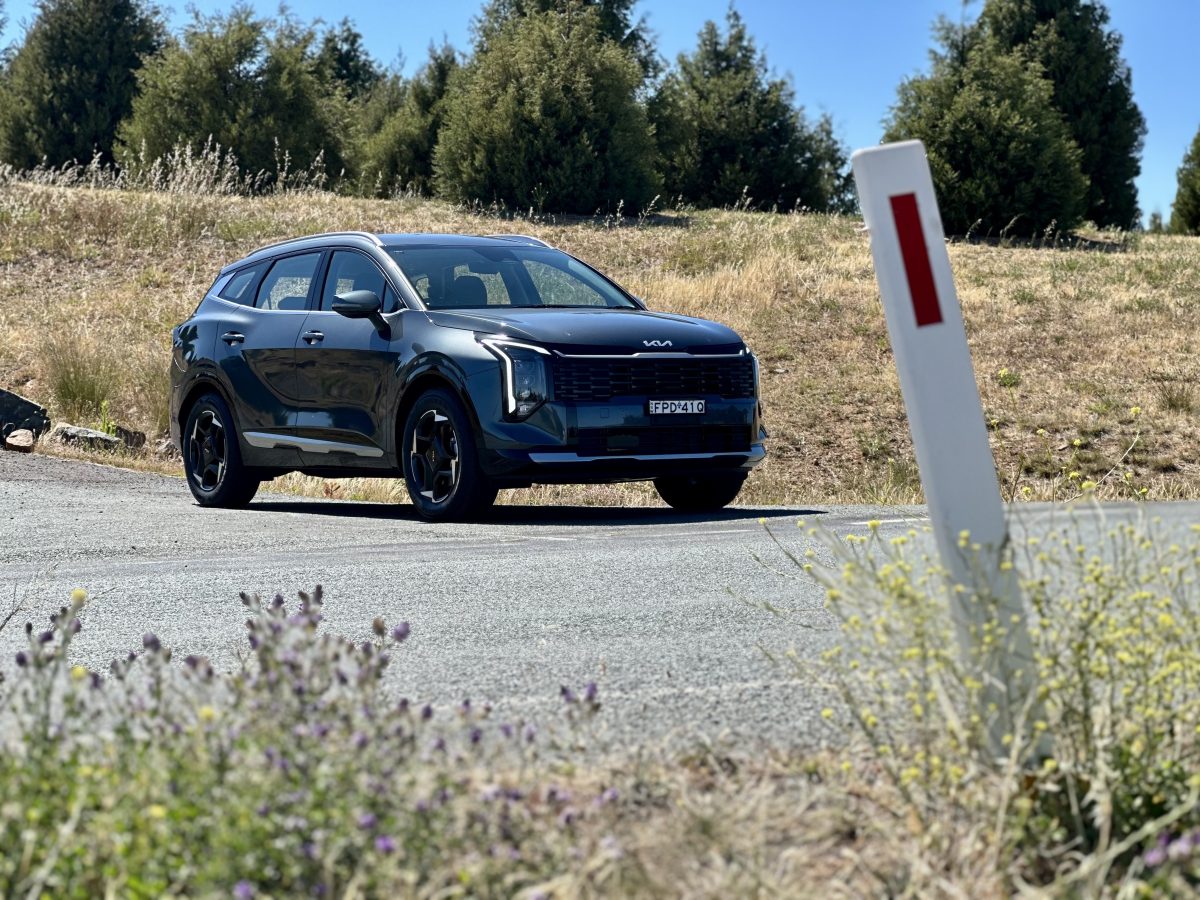
No Love Island contestants here. Photo: James Coleman.
2025 Kia Sportage SX 1.6 HEV FWD
- $49,450 (plus driveaway costs)
- 1.6-litre four-cylinder petrol, electric motor, 173 kW / 367 Nm combined outputs
- 6-speed automatic, front-wheel drive (FWD)
- 4.9 litres per 100 km claimed combined fuel usage, 91 RON
- 1733 kg
- 5-star ANCAP safety rating
Thanks to Kia Australia for providing this car for testing. Region has no commercial arrangement with Kia Australia.