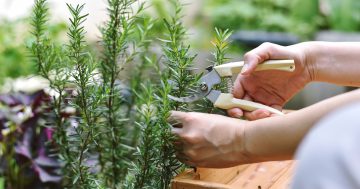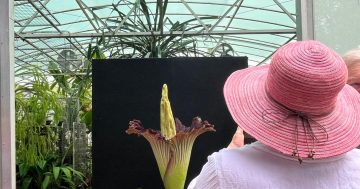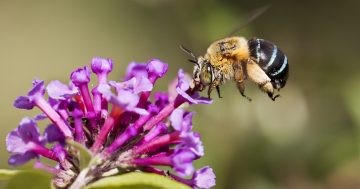

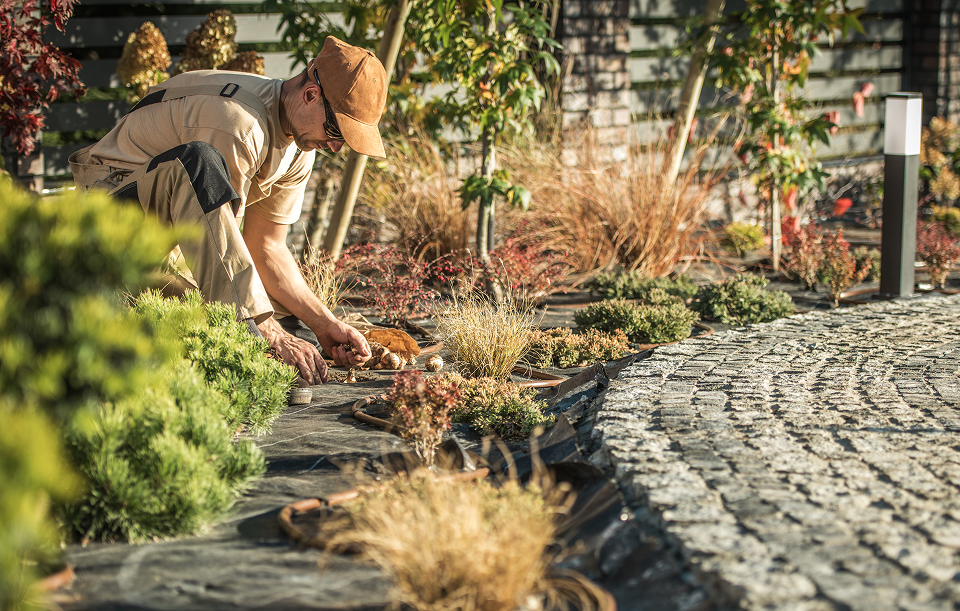
Next time you try your hand at some garden improvements, these experts urge you to be careful. Photo: Dual Logic.
Whether it’s a cactus for an office Secret Santa present or a small tree to give a pop of colour to your garden, plants can be a great summer purchase – as long as you get the right one.
Landscapers, gardeners and plant enthusiasts will tell you, it’s not as simple as just picking a plant at random.
In fact the Invasive Species Council is urging people to think before they give a plant this Christmas.
“Weedy plants still legally sold at places like Bunnings might seem like a thoughtful gift but could be potentially devastating for the environment,” a spokesperson said.
“Currently there are over 30,000 introduced plant species in Australia, only a quarter have been assessed for their potentially devastating weediness. The rest are readily available for you to buy and your local bushland could pay the price.”
Landscape designer Elliot Rehwinkel said, as soon as spring hits and daylight savings begins, “everybody remembers they’ve got a backyard or front yard.”
“It’s definitely something that’s been a consistent pattern for as long as I’ve been in the industry.”
Mr Rehwinkel is the founder and managing director of Botanica Landscapes, which has roots in Canberra and does jobs around parts of south-east NSW.
It’s important to consider the climates and the conditions of an area, he says, as well as how much time you (or the gift recipient) is going to spend looking after the plant.
“If you’re into your gardening and you want to be out there every day, that’s okay. But if you’re short on time, which I know a lot of people are, a lot of the gardens that we are undertaking at the moment have a low-maintenance brief,” Mr Rehwinkel said.
“Just because low maintenance is the brief, it doesn’t mean it has to be a scrappy old garden. You can get some beautiful gardens that are low-maintenance and still look magnificent.”
Australian Native Plants Society Canberra president Greg Clark says it’s important to think about the kinds of plants you’re buying.
To grow properly, a plant needs good drainage, enough sunlight and also enough room.
“A lot of us (certainly me included) have been beguiled by a unique flower,” he says.
“It’s easy to fall for the siren song of the beautiful blooming plant – particularly as Australian plants have so many amazing, different flower structures.”
Mr Clark points to fast-growing plants – while they quickly fill a gap in a garden bed, they’ll keep growing and start a “fight with the plant the rest of its life” to control it.
“Often, if a plant is healthy, it will outgrow the guidance that’s given on the label.
“I really encourage people to think about the size of the space they want the plant to fill or to be in.
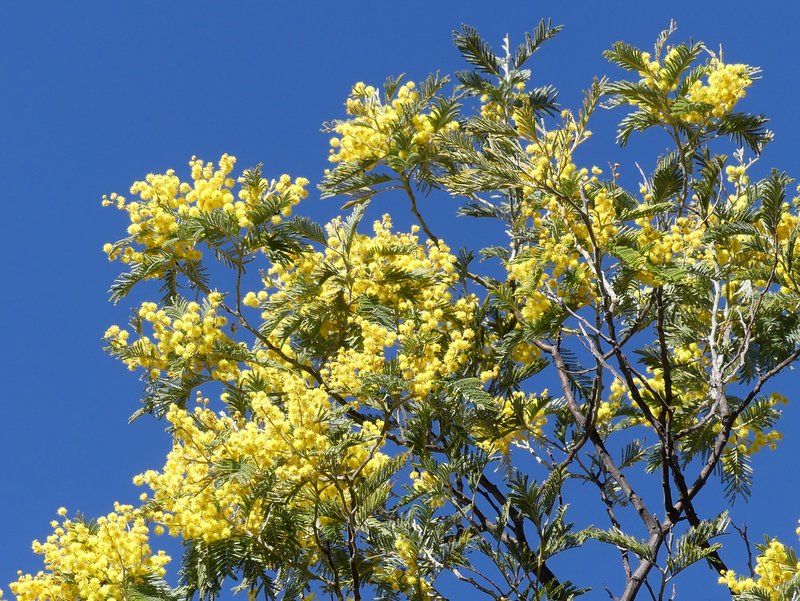
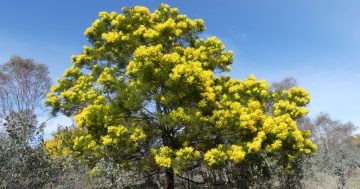
Silver wattle has a distinct silver-grey foliage and clear yellow flowers – but not all kinds of wattle are welcome everywhere. Photo: Ian Fraser.
He also warns that there might be biosecurity restrictions in place, such as the ACT declaring the Cootamundra wattle a prohibited pest plant.
“Even though it’s a native plant, it is highly invasive … and becomes a monoculture and crowds out biodiversity, by and large.”
But when buying something, he says it’s important to think with your heart.
“My first test, if you like, is always, ‘Do I like this plant?’,” he says.
“When you first see the plant or its name and it gives you a positive reaction, that’s a really good sign.
“I think it’s a bit like a piece of art – if you’re going to buy a piece of art, you buy a piece you like or [to] the person you’re buying it for.”
The need to consider what plants you’re buying and ask questions about how they’ll suit a space is echoed by Mr Rehwinkel.
He says there are plenty of plants out there for people to pick from whether they have a green thumb, or are first-time plant parents.
“You can just pop down to Bunnings and read the labels. If you’re not too sure, you can head out to the nurseries,” he says.
“There’s some really great people who work in the nurseries … they can steer you in the right direction about the amount of tolerance that a plant is going to put up with – as far as how much water they’re going to need and how much sunlight they need and things like that.”
And if you’re really not sure which plant to purchase, he says you can never go wrong with a gift voucher.