
Take a deep breath – you’ve got Buckley’s of being your best if you’re not taking care of yourself. Photo: File.
I come from a long line of health ignorers (also known as farmers).
One uncle has a permanently twisted ankle because he broke it and felt going to hospital to get it set was too much of a hassle.
In his 80s my grandfather would still clamber down steep creek banks in a storm, at night, to haul out a stray sheep – just after he’d had a hip operation.
Mum’s refrains when we were kids were, “If you’re not bleeding from the ears, you’re fine” and, “If you break fingers, toes or noses, there’s nothing to be done about it anyway.”
If I’m honest I think the stoicism mostly stems from the fact that all of us would much rather tolerate a bit of soreness than wait around in an emergency department for hours.
Usually this cheerful “she’ll be right” approach serves us well, saving time and bother.
It can also, unsurprisingly, bite us on the bum.
I’ve recently learnt my lifelong “mild” asthma is not actually mild – only silent.
Silent asthma is a form of asthma in which airways narrow without the typical wheezing or coughing.
Symptoms include shortness of breath, chest tightness, anxiety, fatigue, and difficulty speaking. It’s often worse at night.
The reason I could run 10 km on Sunday and be puffing up a flight of stairs on Monday wasn’t a lack of fitness.
The reason my chest would feel tight and my breathing shallow for no particular reason wasn’t anxiety.
I wasn’t exhausted and cranky at the end of the day because I was cramming too much in, and I didn’t wake up in the middle of the night because of insomnia.
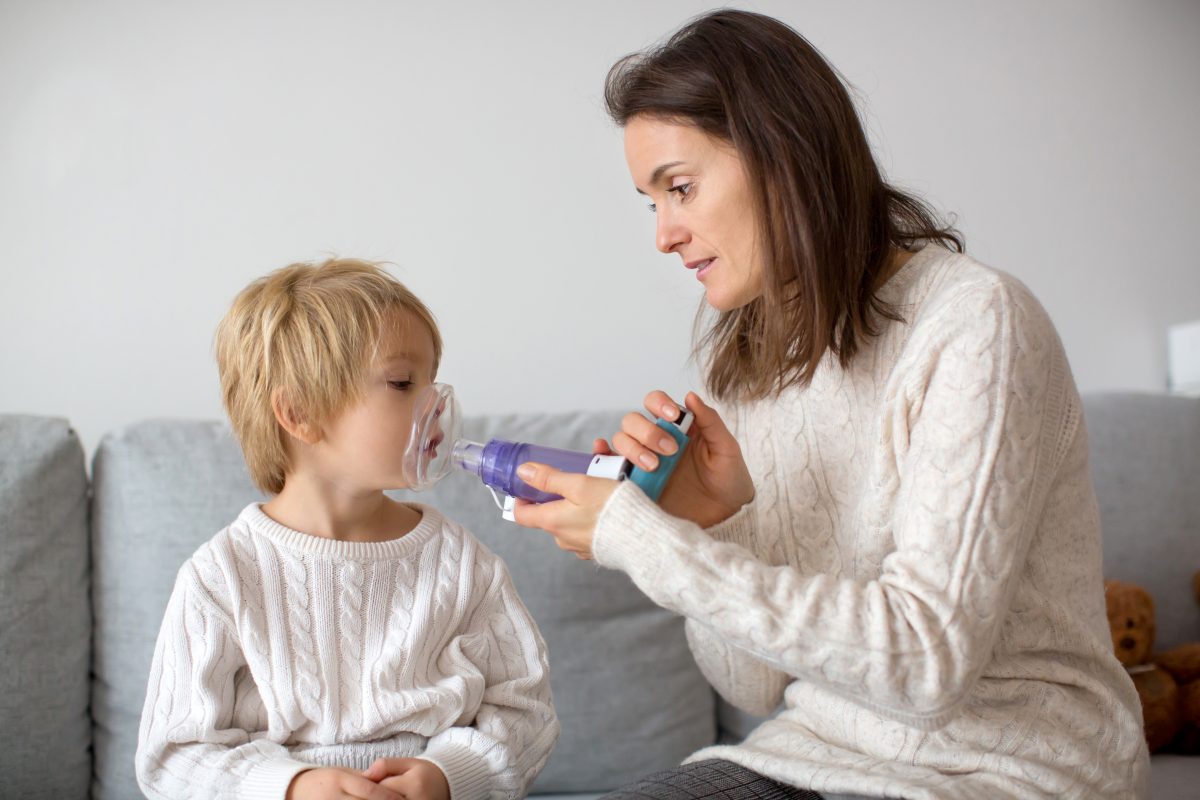
I simply wasn’t getting enough oxygen, constantly, and the odd hit from my reliever puffer couldn’t fix that.
A chance referral to an asthma specialist showed my lungs were only working at a bit over half their capacity.
They sent me home with some information leaflets, an asthma plan that went beyond, “Take your reliever if you start to cough” and some different medications.
A couple of months on, my life is totally different.
I’m in a better mood. I have more, sustained energy. I sleep through the night. Fitness goals I’d chipped away at for months became easy.
Most importantly, I have a better awareness of my body and what it’s trying to tell me, instead of treating it like an afterthought.
I rest when I’m tired instead of pushing through. I know I’ll wake up feeling better for it in the morning.
It’s made me appreciate the advice, “Affix your own oxygen mask before helping others” – and although mine was literal, I think we all have our own, personal oxygen masks.
It might be a morning jog, a weekend sleep-in, some quiet time to yourself after the household has gone to bed.
December and January can be frantic times of year for us all.
The best way to enjoy the chaos is first, make sure you put on your own oxygen mask.