
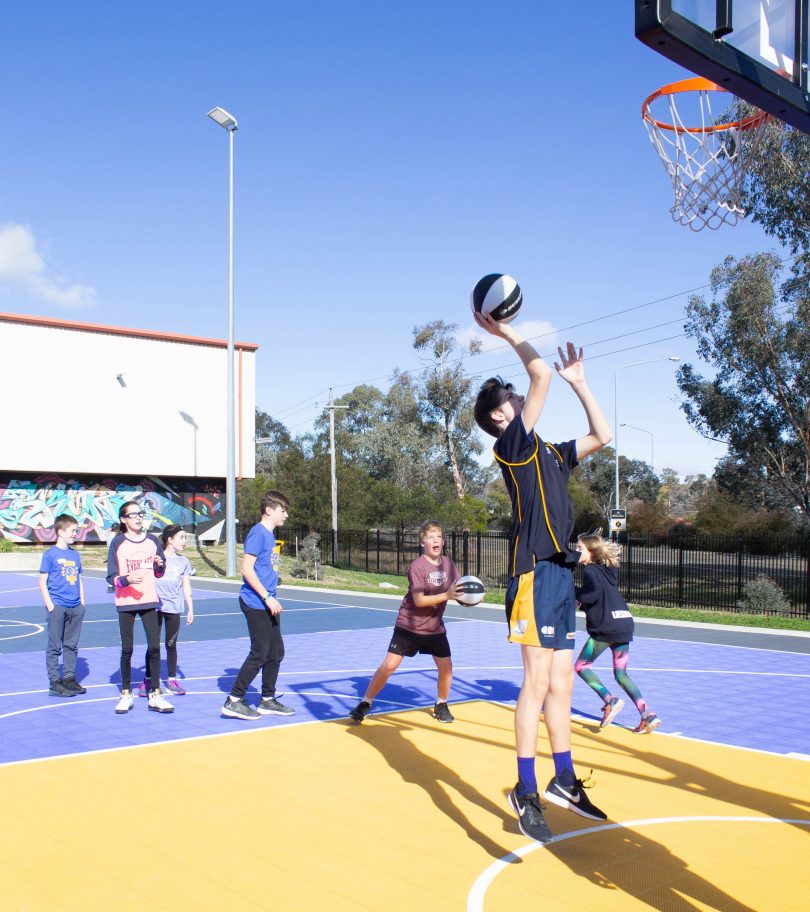
Facilities in the ACT haven’t kept pace with the popularity of some sports. Photo: File.
An ACT Government inquiry into community sport in Canberra last year received more than 70 submissions, many related to facilities.
The Inquiry into Barriers and Opportunities for Participation in Community Sport in the ACT is yet to hand down its findings, but you can be assured that the need for a long-term sport strategy is a key recommendation, judging by the content of a number of submissions.
The lack of a long-term, sustainable strategy for sporting facilities, particularly in Canberra, has long been a source of frustration.
The current confusion over the building of swimming pools and diving facilities highlights the lack of long-term planning.
There has been a perception that facilities have been built on an ad hoc basis, are half-baked, and are often an afterthought as Canberra goes through an apartment building boom.
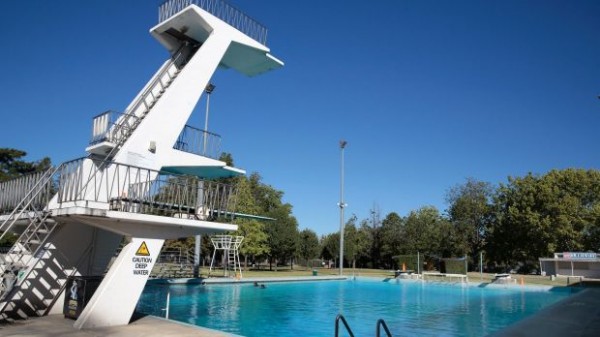
Canberra Olympic Pool’s diving tower. Photo: File.
There are a couple of high-profile groups leading the charge seeking change.
The Community Sports Alliance of the ACT, which represents nine sports – rugby league, rugby union, football, AFL, cricket, basketball, tennis, netball and hockey – is one of the main bodies.
Then there’s Graham Carter and Jim Roberts, both former presidents of ACTSport.
As they noted in their submission to a Legislative Assembly inquiry into the impact of insurance costs on sport in the ACT, “ACTSport, which was the peak body for community sport, had to close down because the ACT Government stopped providing operational grant support funding after doing so for over 20 years”.
Both have identified the need for a long-term strategy for building sports infrastructure in the ACT. This includes not only the construction but the maintenance of existing infrastructure.
It could be argued that the demise of ACTSport has left a significant gap in the Canberra sports ecosystem.
The return of such an umbrella body would make it easier for the ACT Government to deal with the complex needs of various sports through a single organisation.
The vital role of sport in fostering social cohesion within the Canberra community has been identified as significant and as important as health and fitness.
What has also become apparent from reading several submissions is the need for a body representing all community sport in the ACT to advocate on behalf of sport to the government.
This proposed body would assume leadership in developing staff and volunteers across the sector.
It would also provide what has been described as a concierge service for community sport to guide them through interactions with the government and other services.
Over the past couple of years, the lack of understanding of how to engage with government on lobbying for sporting facilities has become a significant issue, with some sports at breaking point due to a lack of facilities.
On top of this, sports run by volunteers often lack the time or expertise to complete the planning and development processes required by government.
A coherent sports strategy could help overcome these problems, and we would all benefit.