
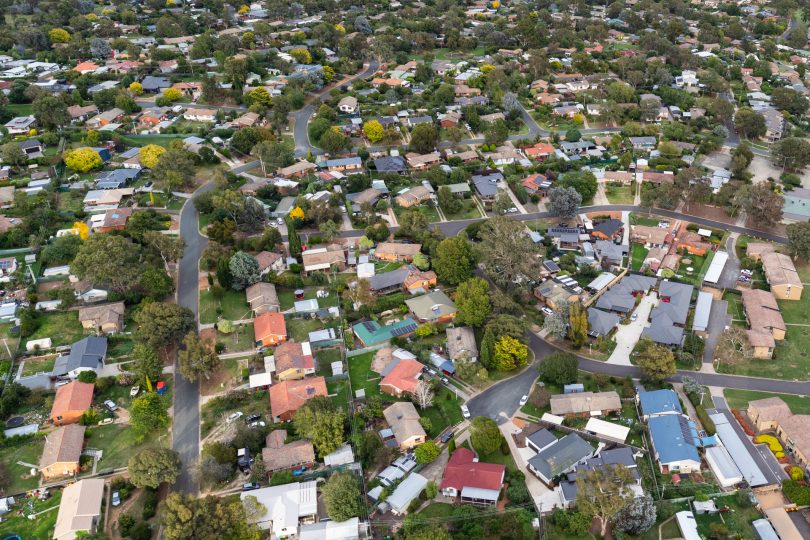
Is your house ready to withstand the increasing heat? Photo: Michelle Kroll.
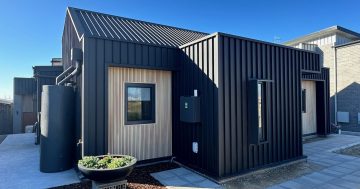
The standard Aussie brick home with a wrap-around verandah and small windows has radically changed over the years and the design changes mean the increasing heat will be felt more intensely indoors.
South-eastern parts of Australia are starting to feel the impacts of a building heatwave, which is expected to peak on Friday (9 January).
Light House ArchiScience owner and one-half of Canberra’s FixIt Chicks Jenny Edwards pointed out these types of heatwave conditions hadn’t really occurred since the 2019/20 summer period and housing design preferences meant many people may have inadvertently made their homes more susceptible to heating up.
“Window size is a really big problem, we’ve tended to put in … lots of glass,” she said.
“It looks sexy, lets in lots of light and connects to the outdoors [but] even with double-glazing, heat transfers inside six to 10 times faster than through an insulated wall.”
She explained double-glazing was great at protecting against hot (and cold) air, but not against direct heat from the sun.
“Once the sun strikes double-glazing, the heat still gets through … and houses [tend not to have] eaves, external awnings or lush gardens,” Jenny explained.
Some developers and home-owners who are building choose to extend a home’s footprint rather than prioritise some garden space, or choose concrete and paving over grass and lush plants, which means homes don’t have an external buffer to cool air before it blows indoors.
Choosing artificial turf over natural grass can also have heating consequences.
“Artificial turf gets so incredibly hot, it has a heat-island effect,” Jenny said.
“[In these conditions] there’s no point even watering it, it will just evaporate … just close up your house and avoid it.”
So what if you’re living in a rental where you don’t have a choice? Or you don’t have access to transport to head to an air-conditioned shopping centre or another alternative?
Jenny has many low cost suggestions to keep cool, following the acronym SIFT.
“S” is for shading your glass from direct sunlight. It’s probably too late at this stage to have a vertical garden planted or awnings installed to shade your windows, but stopping the sun from hitting the glass in the first place is one way to make sure your home stays cool.
Ways to do this includes using bull clips to secure an old sheet or tarp to your gutters to hang in front of windows, or place cardboard against the panes.
“It doesn’t have to be pretty, but if you can stop the sun from hitting the glass, that can reduce the heat transfer by up to 80 per cent,” Jenny said.
“I” is for insultation, which would be more of a long-term project, particularly planning to improve your ceiling insulation.
In the meantime, people can invest in an indoor/outdoor thermometer to perfectly time when to open and close windows.
“People rightly open their home overnight to cool things down, but in the morning they leave them open for too long,” Jenny explained.
“You really need to close up your house as soon as the outdoor temperature starts rising.”
On to “F”, and this is using fans in the most effective way possible.
Take them into the coolest room of the house – which is probably on the southside – and turn them on.
“It won’t change the air temperature, but it helps you to lose heat [from your body] and feel more comfortable.”
And lastly is “T” – temperature and time; as is, when it’s best to open up your home.
As the outdoor air temperature falls below the internal air, turn on your exhaust fans in your kitchen and bathrooms.
“You don’t have to run the fans all night, they’re noisy … but they can help move hot air out quickly,” Jenny explained.
Increase your comfort by taking off shoes and socks and placing your feet in a tub of water. Placing a cool cloth on your neck, or just keeping your hair wet and using a spray bottle as the fan’s air blows on you can also help.
Those who have reverse-cycle air-conditioning can switch to dry-mode, which can slightly reduce the humidity in the house.
“This helps you feel cooler and uses less energy,” Jenny said.
Jenny’s advice comes as medical groups remind the community to make sure they know the warning signs of heat-related illness, with children being particularly vulnerable.
Australian Medical Association ACT president Dr Kerrie Aust said this was because their bodies heated up faster and they may not recognise or communicate symptoms.
“Heat exhaustion and heat stroke can develop rapidly in children. Knowing the signs and responding early can save lives,” she said.
Royal Australian College of GPs president Dr Michael Wright warned again complacency.
“As Australians, we’re accustomed to hot weather, however we must not underestimate the serious health effects that can occur,” he said.
“Heat waves have caused the most hospitalisations related to extreme weather over the last decade and the risk of hospitalisation increases with age.”
Early warning signs:
- Unusual tiredness or irritability
- Headache or dizziness
- Intense thirst
- Nausea or vomiting.
Serious symptoms (seek medical help immediately):
- Hot, dry skin or profuse sweating
- Rapid heartbeat
- Confusion or fainting
- Seizures.
If symptoms appear, move the impacted person to a cool place, offer fluids and quickly seek medical advice.