
5 November 2025

'Sneaky' Federal Government proposal to reduce regional speed limits faces backlash

| By Oliver Jacques
Join the conversation
90
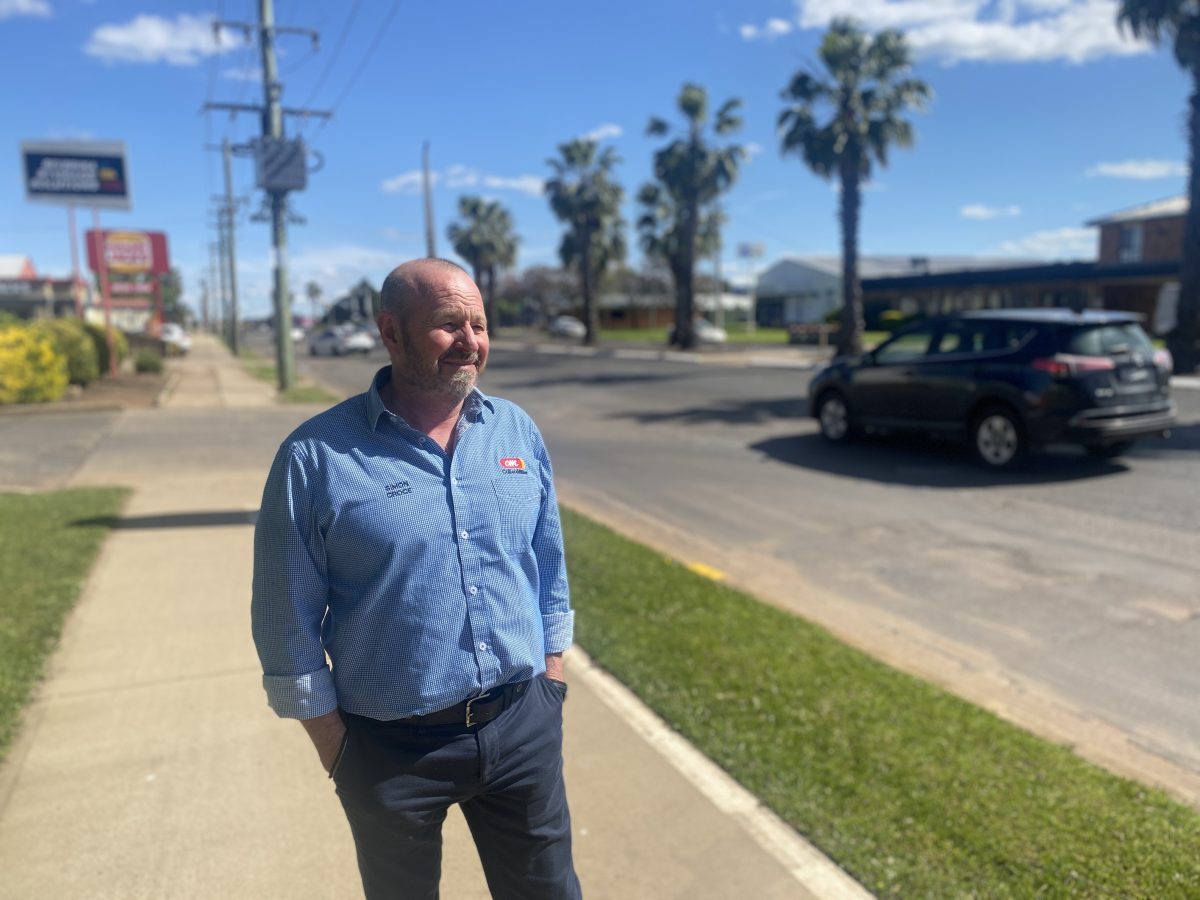
Simon Croce on side of road

Griffith transport guru Simon Croce has made a submission against the proposed speed limit reduction. Photo: Oliver Jacques.

A Federal Government proposal to reduce speed limits on many regional roads has been criticised by National Party politicians, farming groups and small-town residents for being “sneaky” and for the detrimental impact it could have on rural communities.

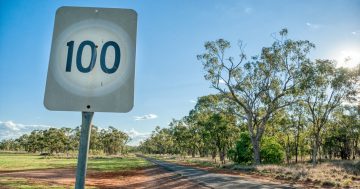
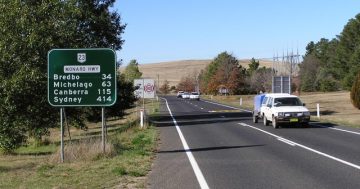
The Transport Department is seeking public feedback on a consultation paper that flags reducing the default speed limit on unsigned roads outside of built-up areas, which is currently 100 km/h. It suggests a reduction to between 70 and 90 km/h would improve safety and reduce fatalities.

“Some roads outside of built-up areas, especially in regional and remote areas, may not be safe to travel on at 100 km/h,” the department’s consultation paper states.

“Many of Australia’s regional and remote roads are not sealed, and may be dirt or gravel tracks. Other roads may have sealed surfaces, but may be in poor condition, or lacking the road features that would enable safe travel at high speeds.

“Travelling at up to 100 km/h on roads such as these may not be safe and will increase the risk of crashes, death and serious injuries. Reducing travel speed on these roads can help prevent the tragedy of road crashes, injuries and deaths, by setting a speed limit that is safe for drivers and people using the road.”

The paper acknowledges that lowering speed limits could have negative economic impacts – particularly in slowing down the movement of freight – but concludes a reduction to an 80 km/h maximum provides a “more efficient” balance between safety concerns and the financial downside.

READ ALSO Canberra to Sydney by train in three hours? It’s ‘less than a billion dollars’ away

“Introducing an initial reduction to 80 km/h provides an opportunity to assess impacts and compliance before considering further reductions,” the paper states.

Former Griffith councillor and transport guru Simon Croce is worried about how low speeds will go.

“I think it is a ridiculous idea,” he said.

“It’s an easy option to sell to anybody who never travels country roads. How about we just keep dropping speeds until they end up at walking pace?”

Agricultural cooperative Citrus Australia has urged rural residents to make a submission opposing any reduction.

“In 2022-23 Australian governments (state and federal) collected over $31 billion in road related taxes, yet regional roads are not getting any better,” the group said.

“Lowering speeds in regional areas is not the answer, it will only make getting food and fibre to the cities and ports less efficient. You could fill a lot of potholes for $31 billion.”

READ ALSO Cut the ‘out of order’ signs, bus drivers told

National Party MP Anne Webster accused the Federal Government of being “sneaky” about its proposal, saying there was no media release on it nor much publicity to let people know they could express their views.

“This looks like a Clayton’s consultation,” she said.

“The government appears to want to bring regional Australia to a grinding halt.

“Labor’s speed limit proposal remains an outrageous, lazy solution to a serious issue facing cars and trucks across the country. As I have said all along, how about they just fix the bloody roads?”

Submissions on the Federal Government proposal to reduce default speed limits can be made on the transport department’s website before Monday 10 November.

Original Article published by Oliver Jacques on Region Riverina.

Free Daily Digest

Want the best Canberra news delivered daily? We package the most-read Canberra stories and send them to your inbox. Sign-up now for trusted local news that will never be behind a paywall.
Loading
By submitting your email address you are agreeing to Region Group's terms and conditions and privacy policy.

Join the conversation

90
All Comments
  • All Comments
  • Website Comments
LatestOldest

I agree with 80kmh limit, rural roads have a lot more hazards than city roads, there’s wildlife,ducks,kangaroos,wombats,echidnas,goats,horses and 3 million feral deer which have the bulk of their weight at windscreen level. That would take out everyone on the car. I drive daily on rural roads, most people speed, if it’s 40 they do 60, if 60 then 80 etc. many are impatient and will flash lights honk horns and tailgate if you obeying speed limit. One moron a few weeks ago was tailgating a big van, he was one car length behind, the van indicated and braked to turn right (100kmh hwy)and the tailgater couldn’t slow down, he veered left me took out the entire front right side of car which being pink was probably not his. What if he had veered right? I see cars overtaking 6 cars on double yellow lines and only just managed to get on correct lane when a truck came over the hill. 3 second’s slower and it would have been multi car funeral. We have lots of car cameras it’s time the gov had a web site where you could use your phone to upload videos and the police should take action and let you know if they charge anyone. Then more and more people will submit video and the morons who cause all the fatalities will be removed from the road.

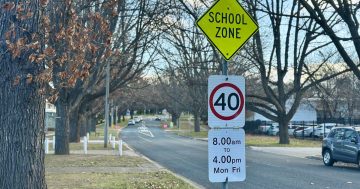
I live in Canberra where we have 40km limits all day past schools and enough road bumps to keep a truckload of suspension specialists in business. But you can never be too safe (even when kids are ensconced in school bounds). Because no one in Canberra needs to get anywhere quickly – productivity is for the plebs 😉

60% of statistics are incorrect, a further 40% are just made up!

After reading the article and then the comments on this issue, it makes me think….leave the speed limit as it is now. It’s a matter of “if it ‘aint broke, don’t fix it” but what does appear to be “broken” are the roads referenced in this article. It would be a lot simpler to fix and maintane the roads to make them safer to drive on.

You must have missed this part then:

““Many of Australia’s regional and remote roads are not sealed, and may be dirt or gravel tracks. Other roads may have sealed surfaces, but may be in poor condition, or lacking the road features that would enable safe travel at high speeds.”

I’m not sure how it is “simpler” to fix and maintain these roads than lower the speed limit? Where is the money coming from for a start?

A freshly graded dirt road is suitable for 100km/h. A degraded road surface not so much. So, the responsibility is on the driver to drive to the conditions – which comes down to driver education. Yes, I have spent a lot of time driving on dirt roads, and I know when to feel comfortable and when to feel nervous.

Just more revenue raising from our dictatorship of a government. Our population is booming under the flood of migration, more people on the roads is going to equal more accidents it’s not rocket science.

No and Yes. Just because a law is put into place to provide safety, that doesn’t make us a dictatorship. The population is booming because of both, Australians having families and migration. You’re right, obviously this will increase the rate of road accidents. I also think a better solution would be to spend the time and money of fixing the roads that need it.

It’s certainly not “rocket science” because none of that is true.

Heywood Smith10:05 am 06 Nov 25

@seano, let me guess, global warming is to blame?

@Heywood, let me guess, you’ve got nothing sensible to contribute…wait no need to guess you’ve already proven it.

Meanwhile in reality immigrants aren’t to blame for the road toll, the Australian economy needs immigration and the claim of a “boom” is a misrepresentation of people return post the pandemic border closures.

https://www.themandarin.com.au/252563-five-myths-poisoning-australias-migration-debate/

You’re welcome.

Obviously it’s not the immigrants them self that’s increasing the road toll it’s the population increase that’s caused by immigration and to say the economy needs migration is just rubbish that business and government says to keep wages low. Unemployment is increasing which would indicate there is already more people then required for employment opportunities.

None of that is true.

Net migration is trending down, while our fertility rate is below replacement is below replacement and our population is aging (all easily verifiable facts).

So when business and government say we need immigrants they are quite correct. Whilst the unemployment rate rising is a concern it is still historically low and in part due to more people actively seeking work.

Interesting to read recently that on average, immigrants, including partner immigrants, contribute more in taxes than they take in government services, unlike those born here.

Net overseas migration collapsed during Covid, 2020-2021 as people left, peaked as they returned in 2022, and is now back to the normal rate. The complete result is, average.

If governments really were serious about reducing road deaths instead of just revenue raising then there is an obvious step to take.

Ban motorcycles.

Apparently they are about 4.5% of registered vehicles but make up 21% of road fatalities.

I can just imagine a ban on motorcycles would be an outrage and motorcyclists would then call the government a dictatorship for doing so. LOL

Many motorists have themselves to blame for tighter rules. Governments, police and motoring groups have been trying for years to get drivers to slow down and it hasn’t worked. A lot of rude, arrogant, stupid drivers are refusing to follow the rules. The NSW road toll(as I write) is already 39 more than same time 2024.

Yeah, true. Not to mention Tailgating. Every time I drive somewhere, there’s always someone tailgating.

The government is not “doing” anything they’re seeking community feedback before deciding what to do. It’s what good governments do.

I doubt m/any of those complaining have put in submissions.

Personally whilst I don’t believe it’s one size fits all I do support reducing speed limits on some roads to save lives.

Yes we all want our roads fixed in our cities and country areas but using the lack of government investment from past administrations as an excuse to oppose current initiatives in addressing the high level of road trauma and deaths is a cop out!

What is a fact is that the most horrendous road accidents and deaths occur in our regional and remote areas due to a combination of recklessness, lack of police resources and alcohol. Most of these roads are in extremely poor conditions, unsealed or dirt gravel tracks making them even more hazardous. Now the government wants to implement laws in an attempt to make our regional roads a bit safer and reduce injuries and deaths. Unfortunately, but not unpredictably, the small-minded fogies and their representatives from the National Party and farming groups, who have never been successful in making regional roads safer despite their many years in government, are out of sorts with the current government for its proposals to implement laws to make them safer, by reducing speed limits from 100km/h to between 70 and 90 km/h.

With friends like the Nationals…

How to demonstrate that you have never lived in the country! And recklessness and alcohol issues will not be solved by setting the speed limit at some arbitrary value.

Andrew Cooke3:33 pm 05 Nov 25

How is the Federal government being blamed for this? Isn’t speed limits a state issue?

Capital Retro11:16 am 06 Nov 25

It’s like Howard’s overriding firearm laws following the Port Arthur massacre.

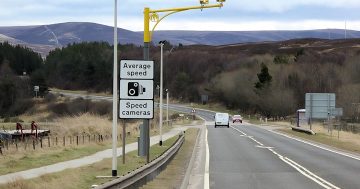
Could the government please share the raw accident data, which includes the cause of the accidents, and the statistics that were used come to this conclusion? We keep hearing “speed kills”, yet the number of accidents decreases while speed limits go down and there is more policing happening

Need to stop the crazy truck drivers who race b doubles like they are sports cars & tradies driving big work utes like hot roads.

Daily Digest

Want the best Canberra news delivered daily? Every day we package the most popular Region Canberra stories and send them straight to your inbox. Sign-up now for trusted local news that will never be behind a paywall.

By submitting your email address you are agreeing to Region Group's terms and conditions and privacy policy.