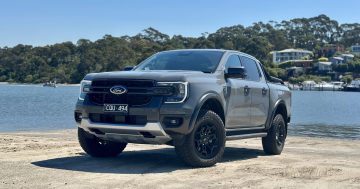

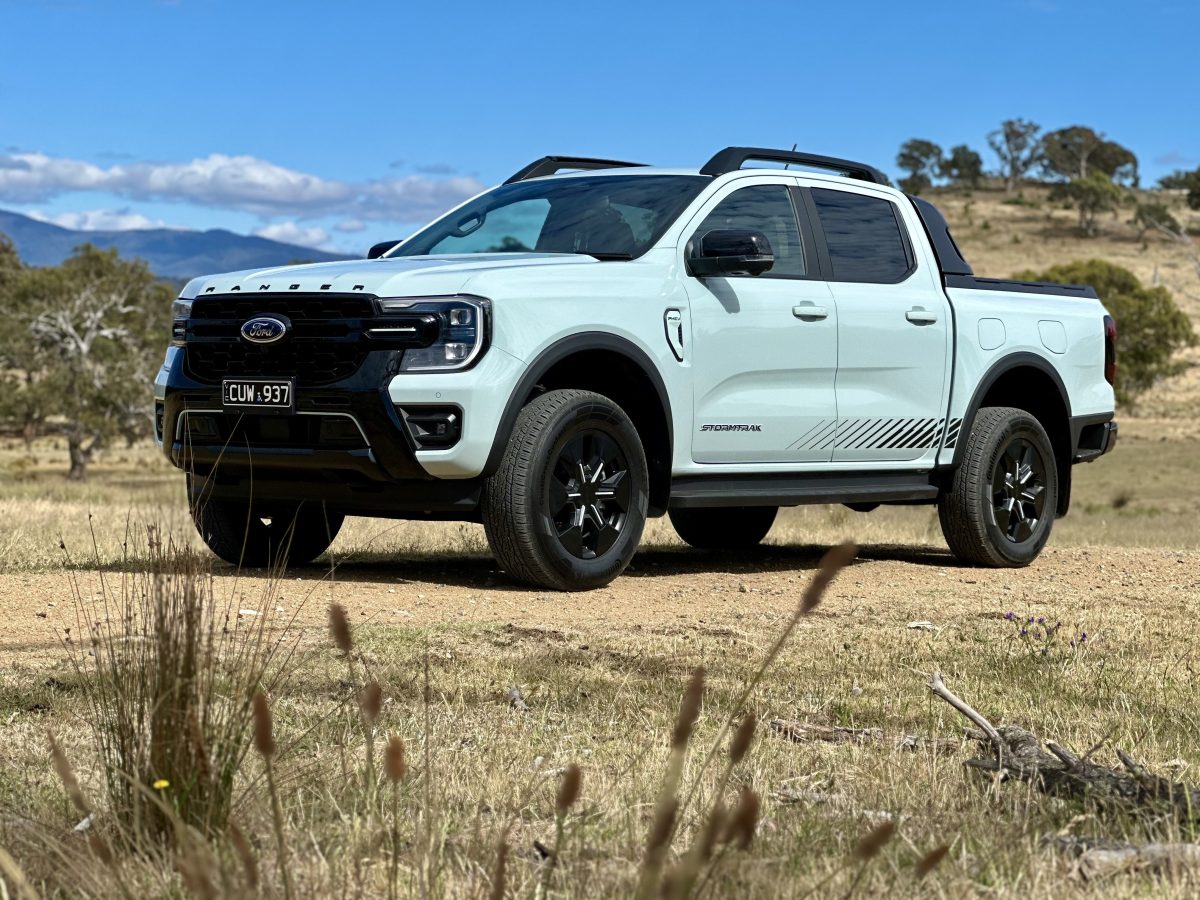
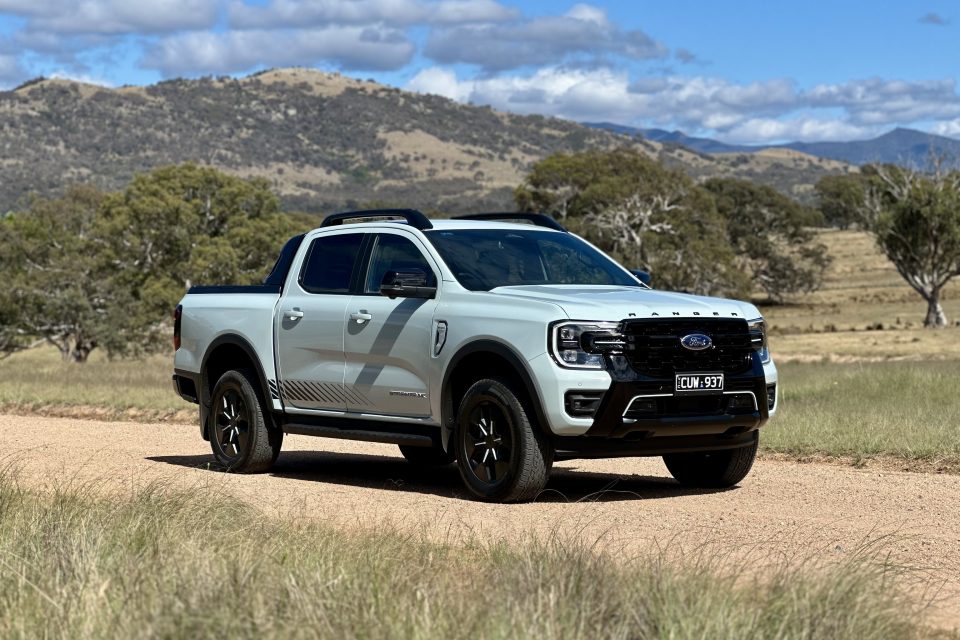
The Ford Ranger Stormtrak has become the third PHEV ute on sale in Australia. Photo: James Coleman.
We’ve had plug-in hybrid electric vehicles, or PHEVs, for well over 10 years in Australia – ever since the 2012 Holden Volt.
And unlike that one, they’re now going off. The latest sales data have PHEVs surging 130.6 per cent so far this year, and up 83.3 per cent on November 2024 – big enough gains to worry EVs.
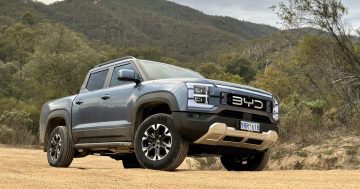
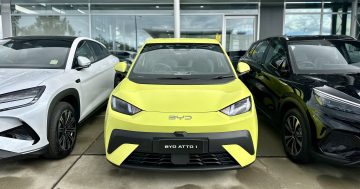
A lot of this is driven singlehandedly by China’s BYD Shark 6 ute, which has sold more than 15,000 this year.
Then there’s the GWM Cannon Alpha, which wooed everyone by scaling the formidable Beer O’Clock Hill in Queensland – especially when BYD’s Shark couldn’t (not that BYD cares, from its high horse).
So, it’s about time a veteran of the ute market – and Australia’s outright best-selling car – dips a toe in the Shark-infested waters.
Yep, this week’s test vehicle is the plug-in hybrid Ford Ranger. And we should clarify from the get-go that a PHEV ute is a very tricky thing to pull off.
Both parts of the drivetrain – the petrol engine and the electric motor – have to be up to not only pulling the car’s weight, already heavier because of these parts and the battery, but also carrying or towing other things owners might want to hitch up.
In these conditions, the battery is depleted in an instant, and it falls to a smaller engine to suddenly do everything.
Nevertheless, Ford remains confident.
“Our Aussie engineering and design team have created a plug-in hybrid that allows diesel ute buyers to begin their electrification journey without sacrificing any of the core capability that they need from a truck,” Ford Australia CEO Andrew Birkic said in a statement.
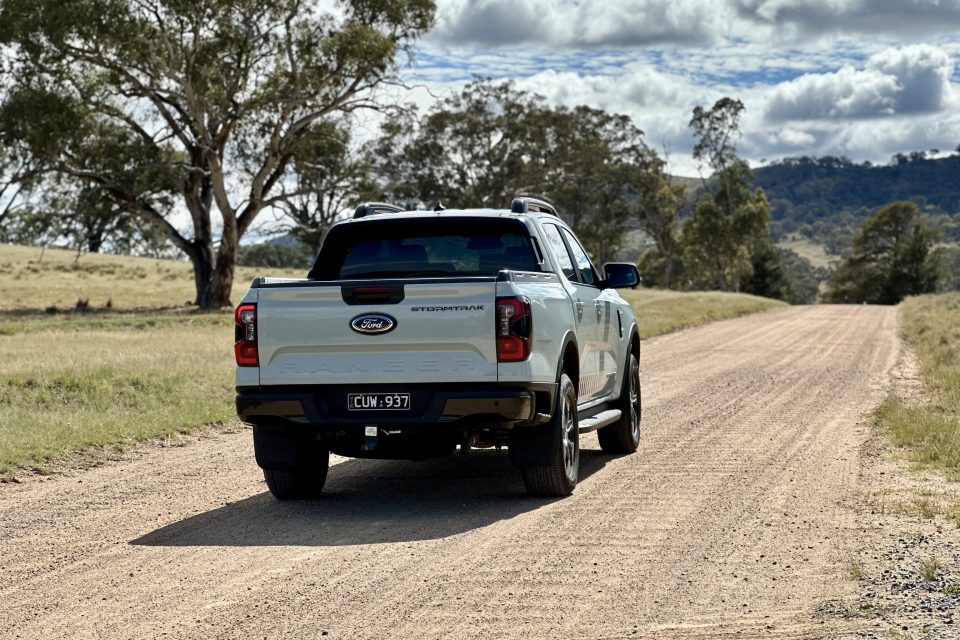
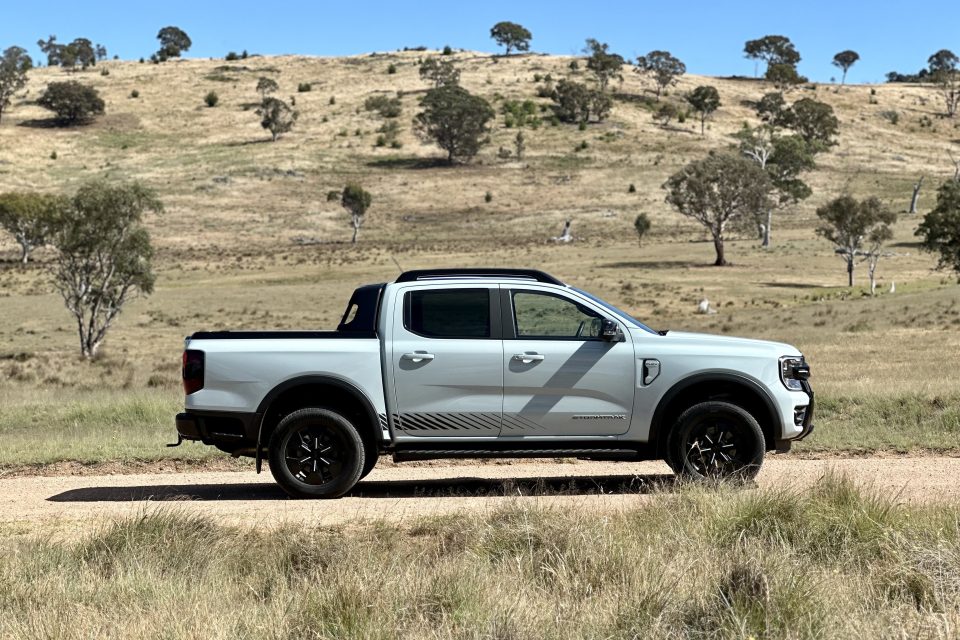

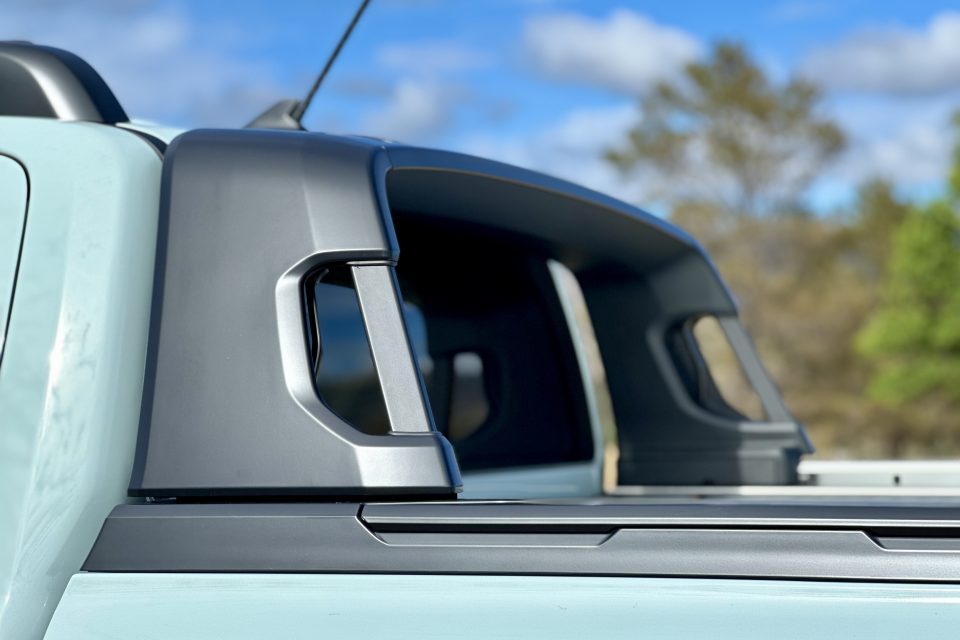
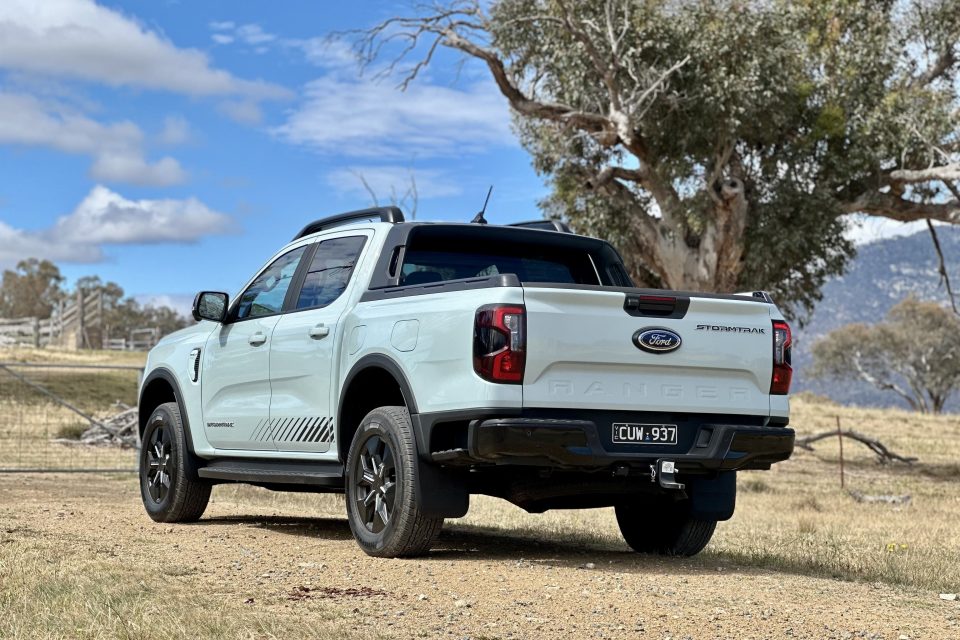
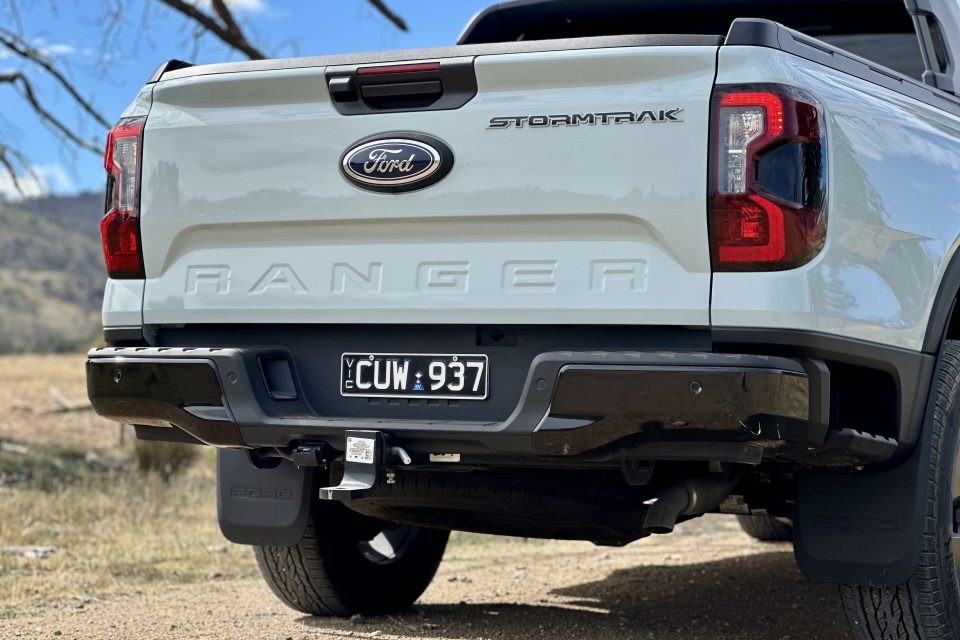
And on paper, the Ranger PHEV can carry 973 kg in the tray – a good 180 kg more than its Chinese rivals – and tow up to 3500 kg.
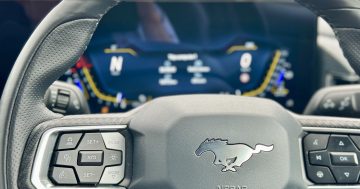
It combines the same 2.3-litre turbocharged four-cylinder petrol engine from the Ford Mustang (no, not the V8 Mustang you would actually get) with an electric motor and a battery.
All the usual 4WD settings remain, from two-wheel-drive only to four-wheel-drive low-range, and a 10-speed automatic transmission. It moves along well enough too – 0-100 km/h takes 7.9 seconds.
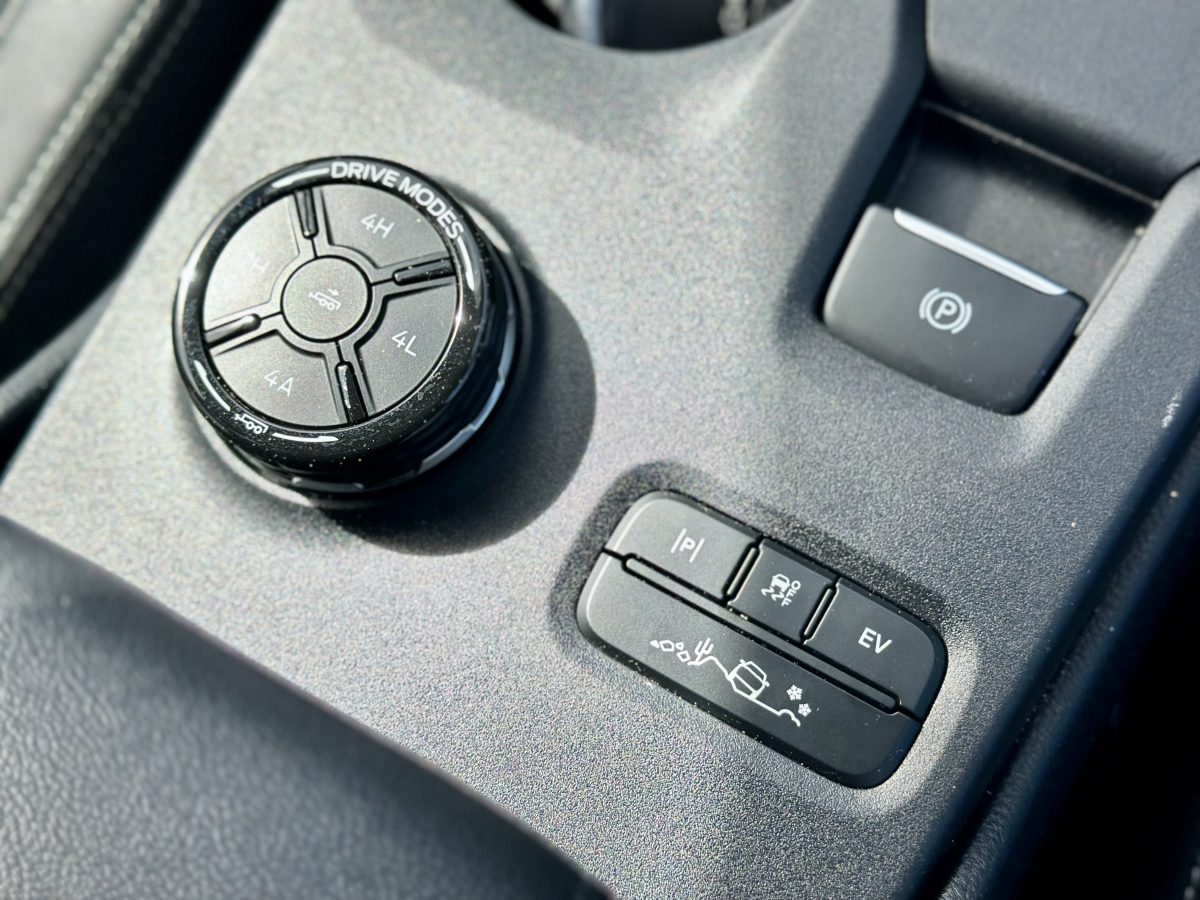
All the 4WD and off-road settings carry over from the diesel models. Photo: James Coleman.
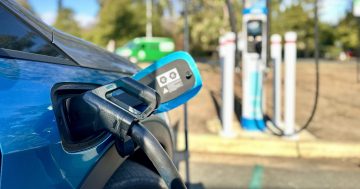
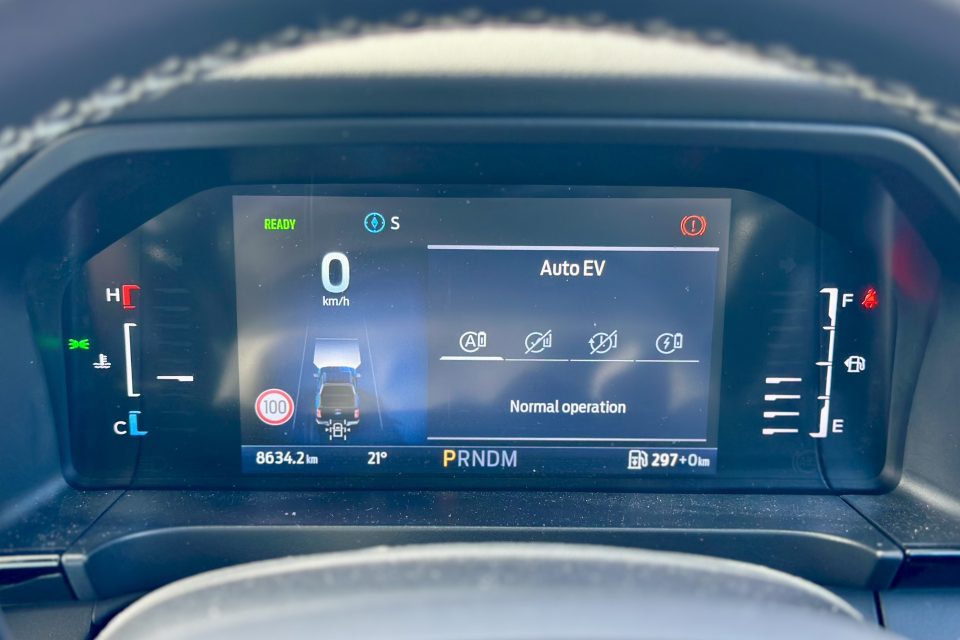
But also on paper – and without anything on board – that battery is only good for 49 km. And it was showing even less for me – a mere 17 km of range with a 50 per cent charge. The 2012 Holden Volt’s 87 km was better than that. BYD’s 80 km is better than that.
Ford claims an average fuel consumption figure of 2.7 litres per 100 km, and if you were plugging it in at home overnight every night, I can see how you’d do that.
Press the EV button, and you can scroll through four modes: ‘Auto EV’ behaves like a normal hybrid, alternating between the two systems, ‘EV Now’ turns the Ranger into a full EV, ‘EV Later’ turns the electric motor off to save the battery charge, while ‘EV Charge’ uses the engine to top up the battery.
But as it was, I’d depleted the battery after a day’s worth of commuting and spent the rest of my time going between EV Charge and Auto EV, which shot my average fuel consumption up to 9.2. So I’d have been better off in a diesel Wildtrak.
There’s more.
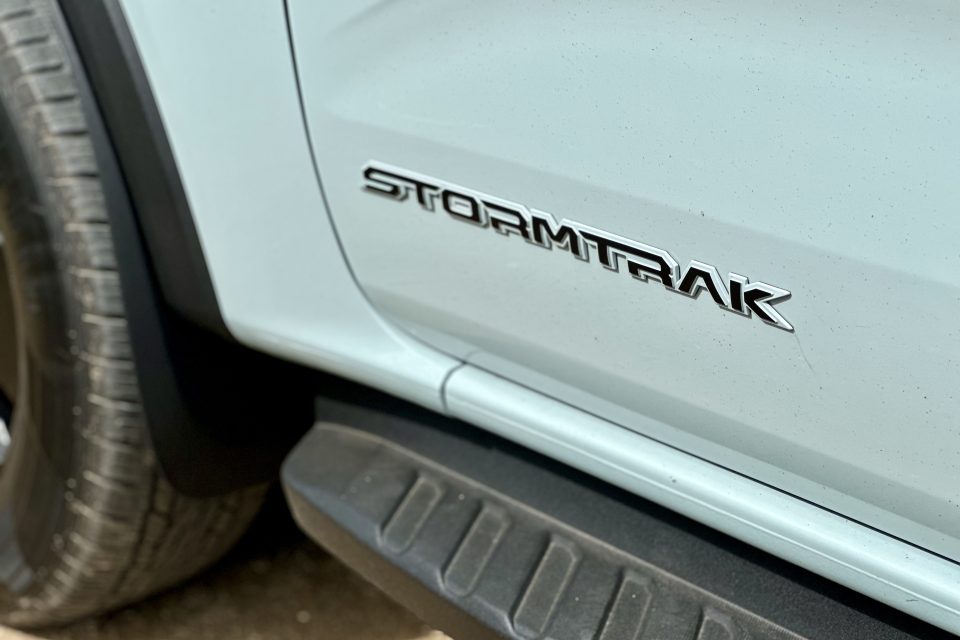
The PHEV tech is available across the Ranger range, starting with the XLT model from $71,990 and going up to $86,990 for my Stormtrak (worth it, if only for that cracking name).



But you can get the BYD for $57,900, and a fully-fledged V6 diesel Wildtrak for $75,090. That’s a fair bit of fuel the PHEV would have to save.
Am I having a downer on it? Not really.
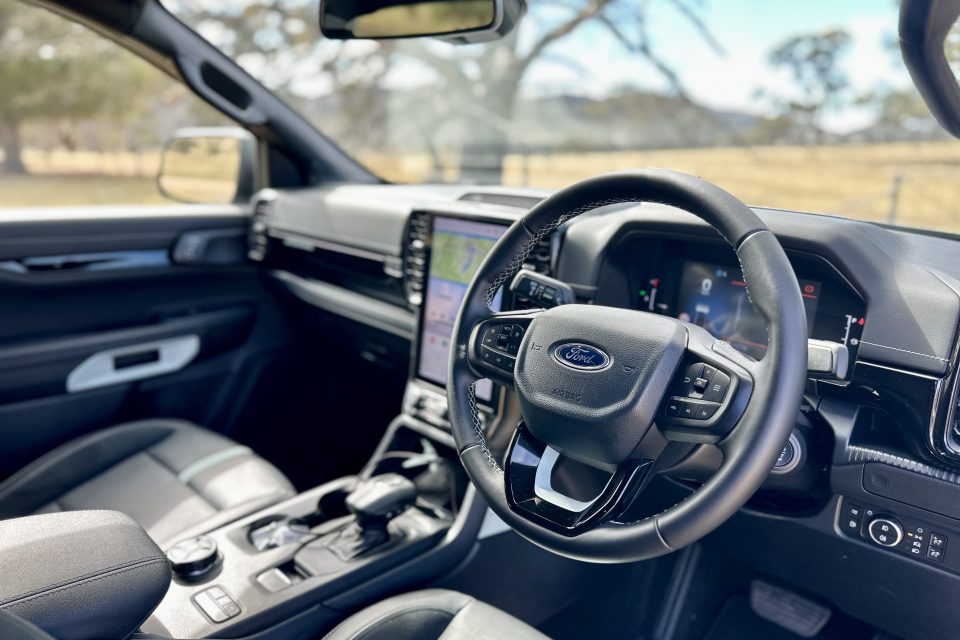
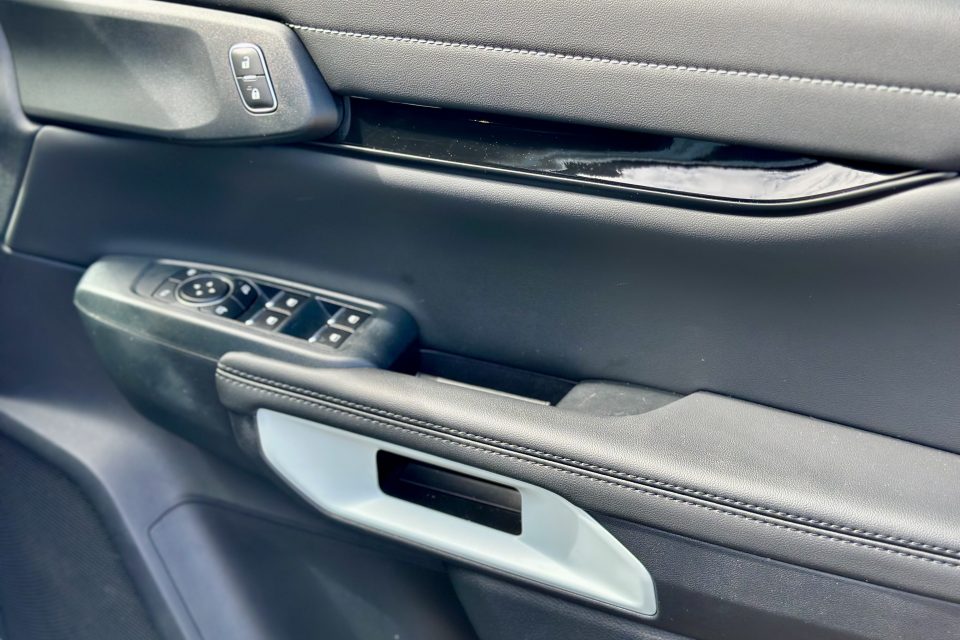
All the usual lovely Ranger bits are here, like the meaty steering wheel, easy-to-use controls, and the storage hole ahead of the gear knob designed specifically for Maccas fries.
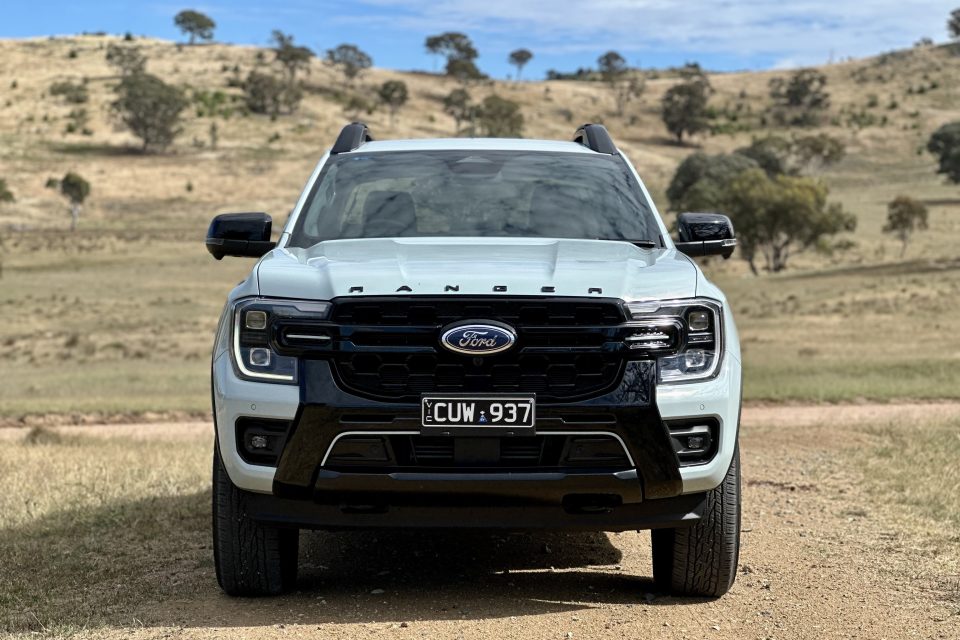
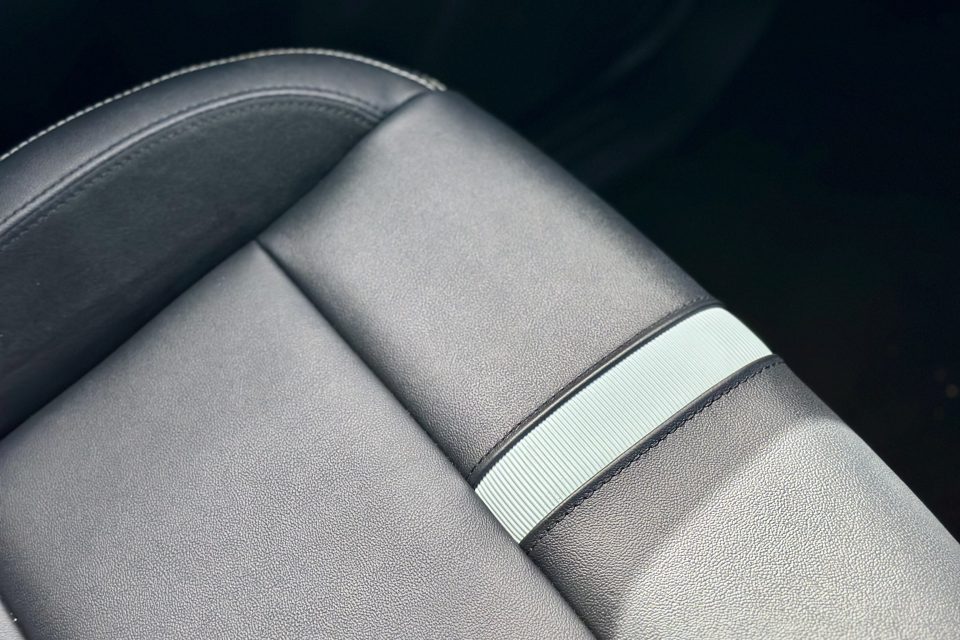
And while the gender-reveal blue colour (technically, ‘Chill Grey’) might do slightly confusing things to it, the Ranger design is still here – looking hirsute and pumped as ever.
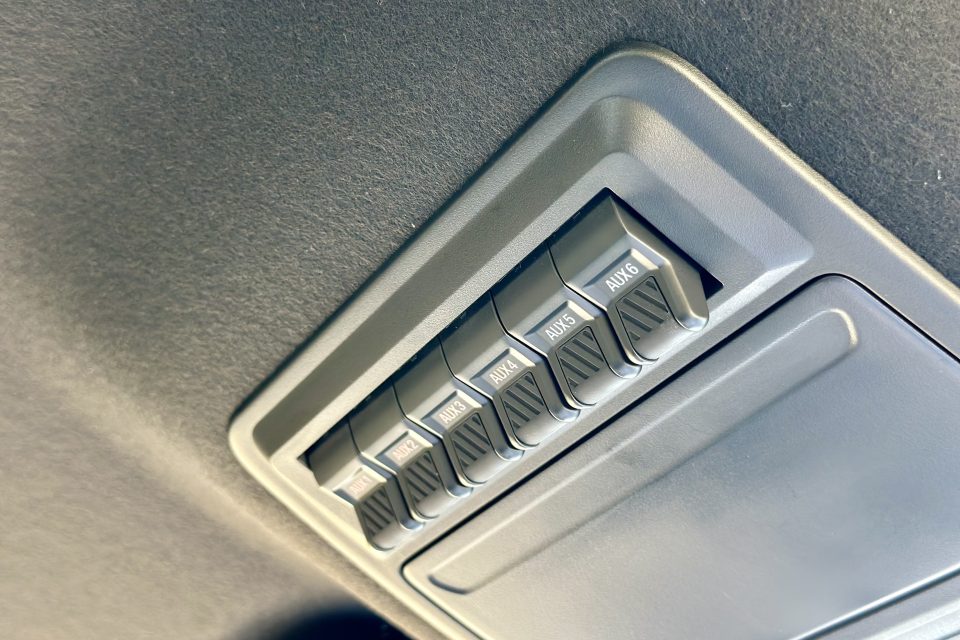
I also like that having a bigger battery on board means you can plug a range of appliances – like fridges, tools, and probably TVs – into two power outlets in the tray.
A few months ago, you had two options for PHEV utes, and both faced an uphill battle to win over buyers who go to their graves pledging allegiance to Ford or Toyota.
So I am pleased a Ranger PHEV exists. Even if the number of actual buyers remains to be seen.
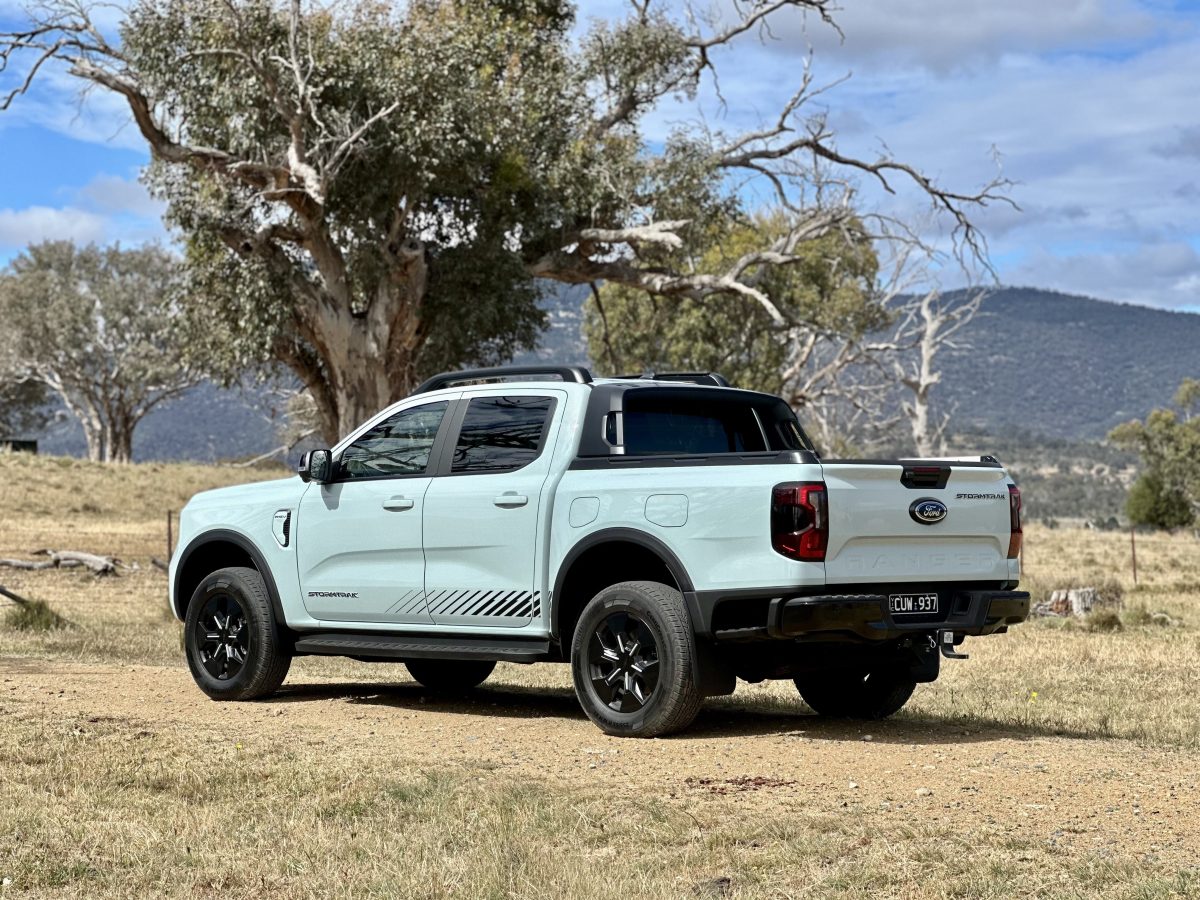
The Ranger PHEV prices range from $71,990 to $86,990. Photo: James Coleman.
2025 Ford Ranger PHEV Stormtrak
- $86,990 (plus driveaway costs)
- 2.3-litre turbocharged petrol engine, electric motor, 207 kW / 697 Nm
- 10-speed automatic, part-time 4WD
- 2.7 litres per 100 km claimed fuel consumption, 49 km claimed electric range
- 0-100 km/h in 7.9 seconds
- 3500 kg towing capacity
- 2692 kg
Thanks to Ford Australia for providing this car for testing. Region has no commercial arrangement with Ford Australia.